

Office in the city center
Our office is in the center of Saint Petersburg, and bus pickup points are nearby. You do not need to search for the departure point or walk several blocks.

Our address:Saint Petersburg, Vosstaniya St. 1
Discount: -200 rub. per ticket

 3 - 5 h.
 Ligovsky Prospekt 10
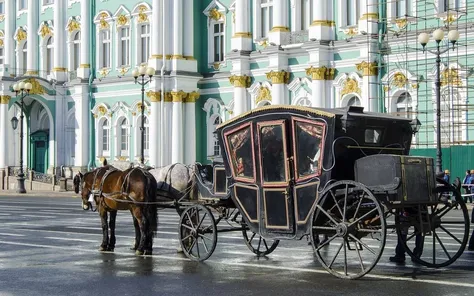
Sightseeing tour of the historic center of Petersburg with a ticket to the Hermitage! You will see the grand Nevsky Prospekt and admire the majestic architecture of palaces and apartment buildings.
Discount: -200 rub. per ticket
3 h.
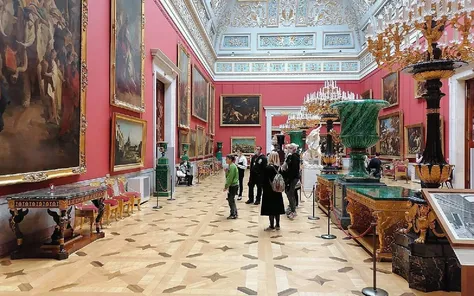
Private Hermitage tour with an art historian. Your route, no queues or crowds. Immerse yourself in history and art for you and your company.
From 19300 ₽ per person

5 - 6 h.
Immerse yourself in the imperial history of St. Petersburg on a sightseeing tour, and then enter the world of art at the country's main museum - the Hermitage. An ideal route for a first introduction to the Northern capital.
From 6500 ₽ per person
5 h.
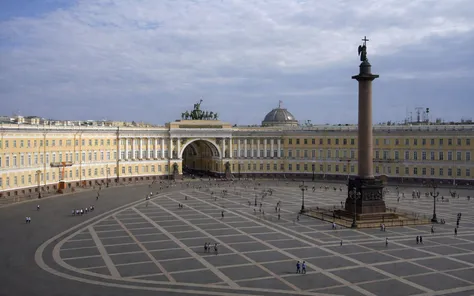
St. Petersburg in 5 hours: a bus sightseeing tour of the historic center + a tour of the Impressionist collection at the General Staff Building of the Hermitage. Perfect for a first introduction to the city and art.
From 6000 ₽ per person
Our office is in the center of Saint Petersburg, and bus pickup points are nearby. You do not need to search for the departure point or walk several blocks.
You can book a trip for a large group, family, school class, corporate event or celebration. We will match the format and the number of seats you need.
Seniors, students, schoolchildren and preschoolers get discounted rates on a number of tours.
Besides Saint Petersburg and its suburbs, we offer multi-day tours to cities and regions across Russia.
Sightseeing, bus, boat, evening, walking and school tours, plus suburban trips — we will find a program for any kind of visit.
We operate clean, comfortable tourist coaches. A spacious cabin matters most on longer routes.
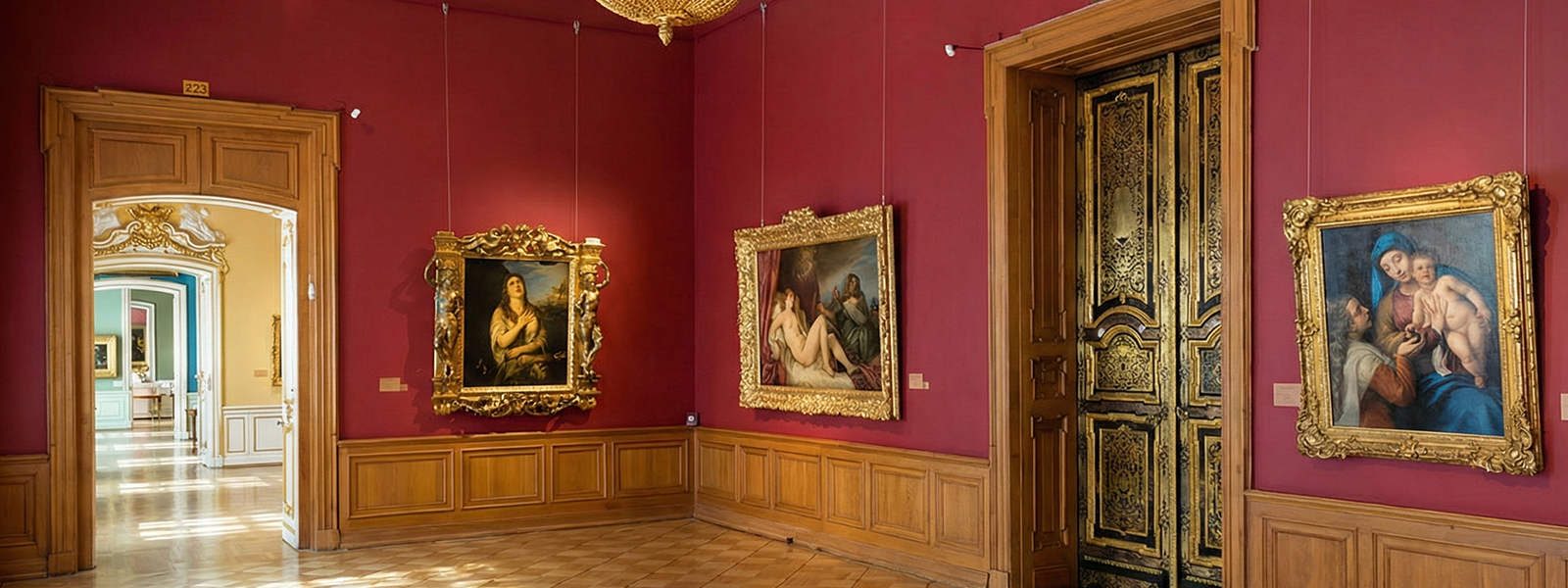
The Hermitage is a museum city in the center of St. Petersburg. The main complex connects the Winter Palace, the Small, the Large/Old, and the New Hermitage, the Hermitage Theatre, and adjacent spaces. To make your visit clearer, it's helpful to plan the floors, halls, and several routes inside the museum in advance.
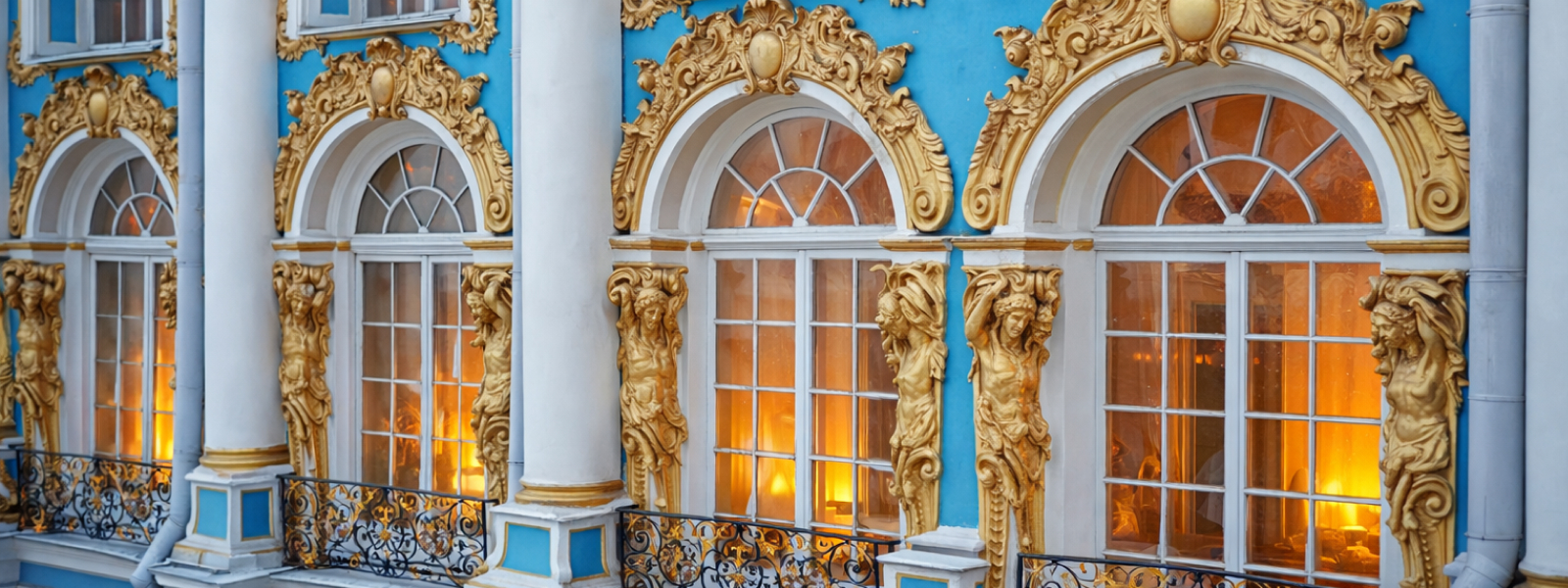
The history of the Hermitage begins with the Winter Palace. On the site of the current palace, even under Peter I, there was a small house by the Neva. Later, the residence grew, and in the mid-18th century Rastrelli created the grand palace that today faces Palace Square and the Neva.
Under Catherine II, a personal art collection appeared next to the palace. New premises were built for it, including the Small Hermitage. Gradually, the private collection turned into a world-class museum, and in the 19th century the New Hermitage was opened to the public.
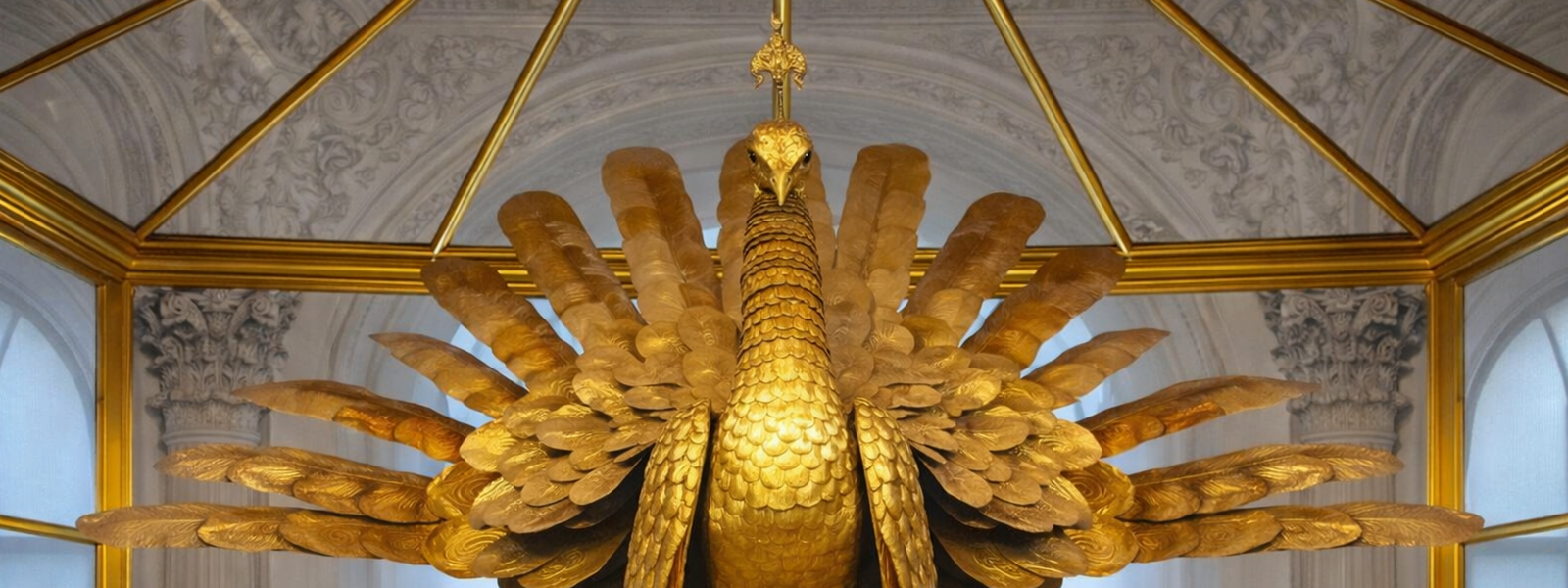
The scale of the building is felt immediately: the Winter Palace resembles a separate city. It has about 1,500 rooms, nearly 2,000 windows, and a complex palace logic of passages. So before your visit, it's helpful to know that inside there are state rooms, residential interiors, antique collections, paintings, the Peacock clock, and separate floor-by-floor routes.
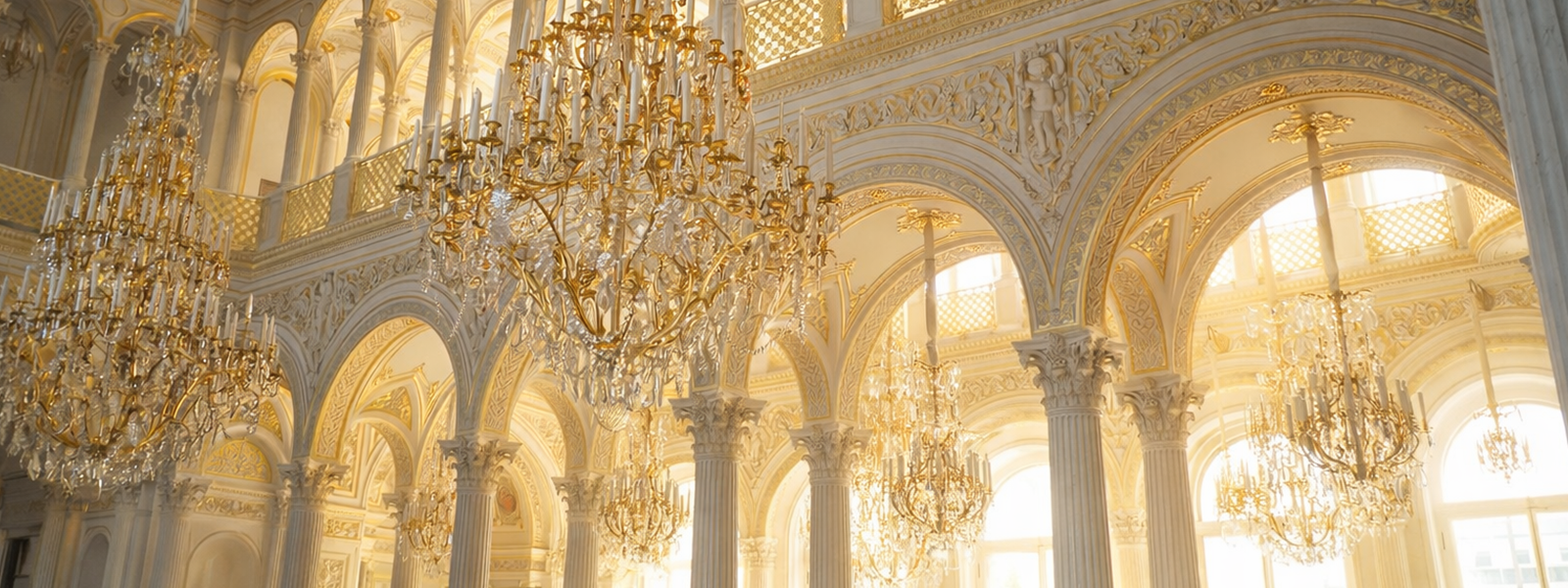
It's easier to think of the Hermitage as a group of buildings. The Winter Palace offers state rooms and an imperial atmosphere, the Small Hermitage features the famous Peacock Clock and the Pavilion Hall, the Old and New Hermitage present paintings, antiquity, and the classic museum line, while the General Staff building offers a different mood and later art.
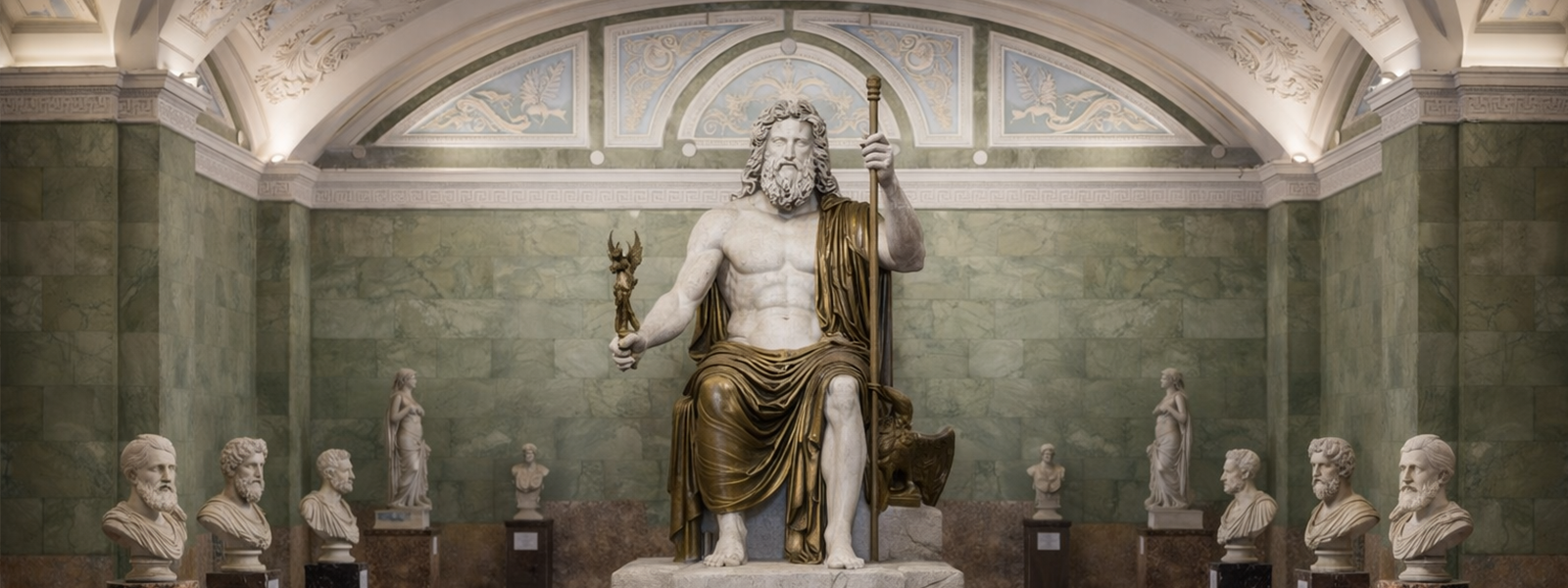
The first floor is more connected with ancient cultures, archaeology, antiquity, and the start of the museum route. It suits those who want to see the Egyptian Hall, ancient monuments, sculpture, and enter the museum space at a calmer pace.
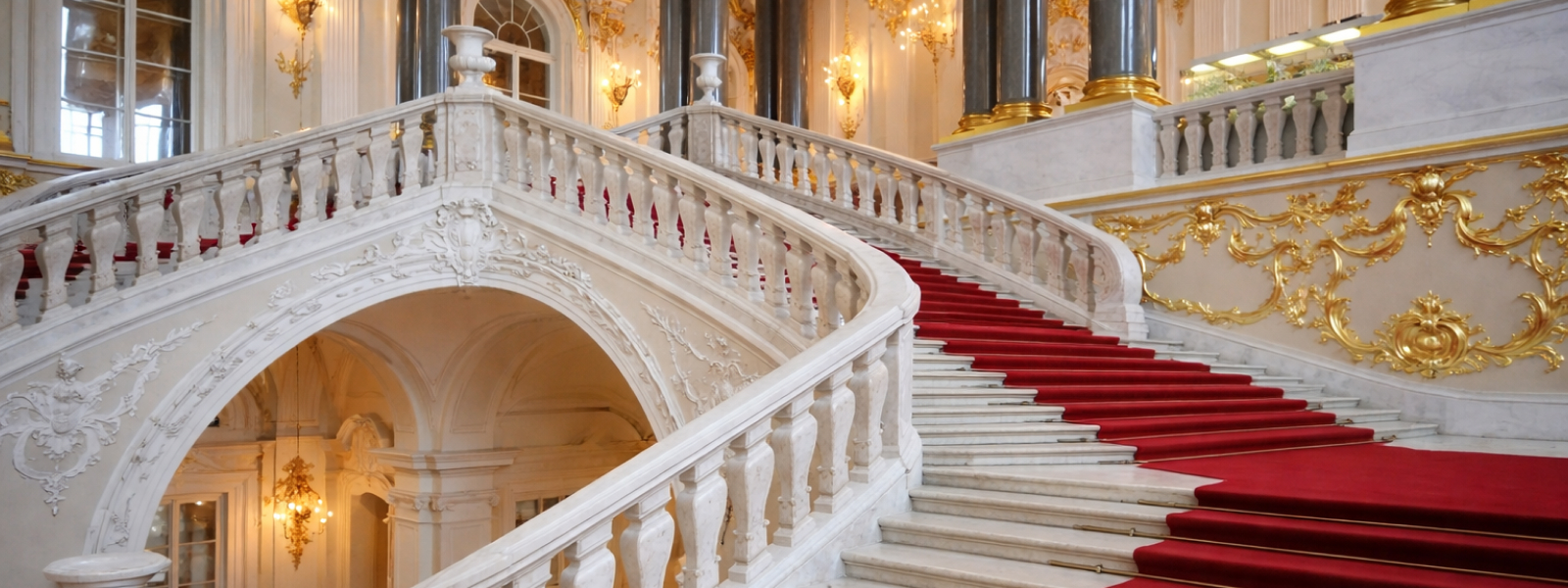
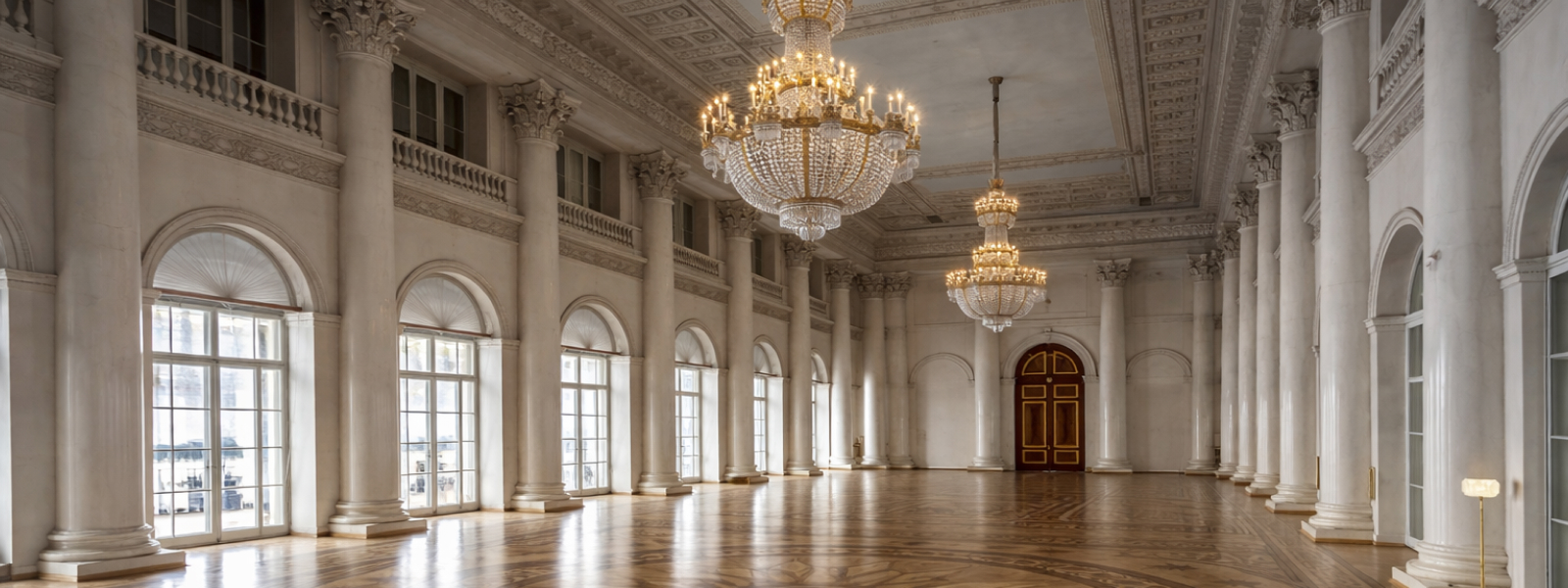
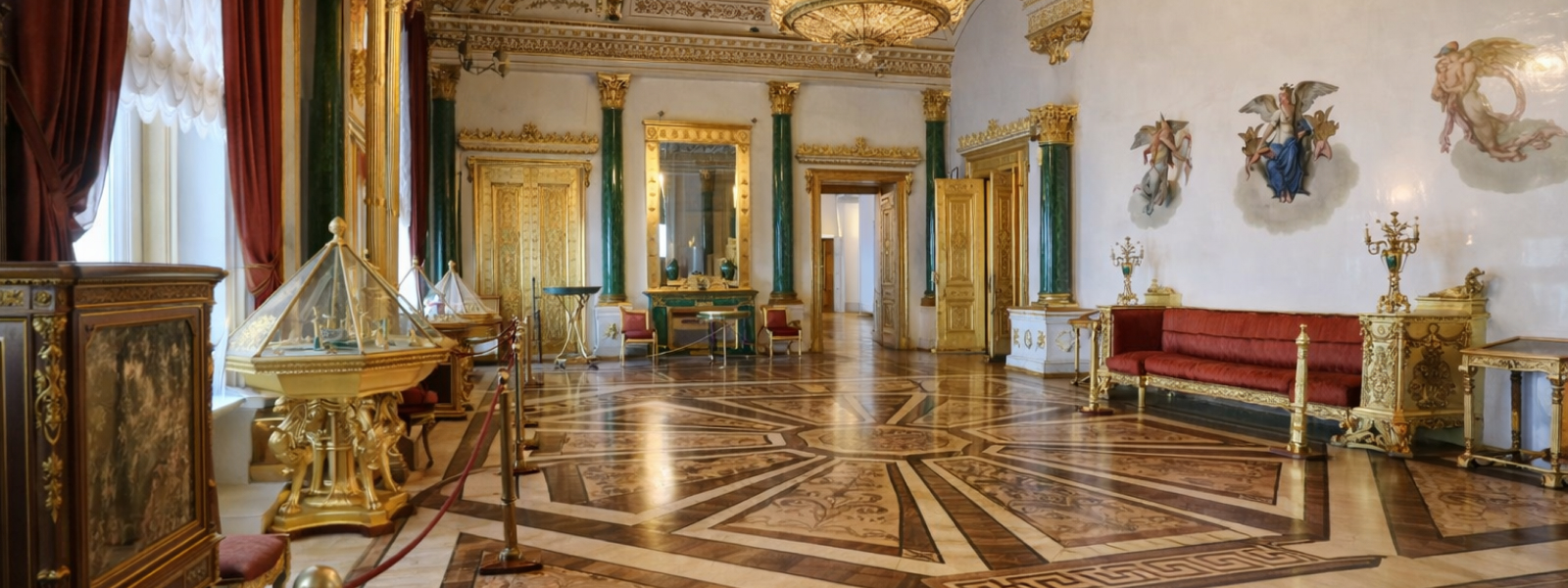
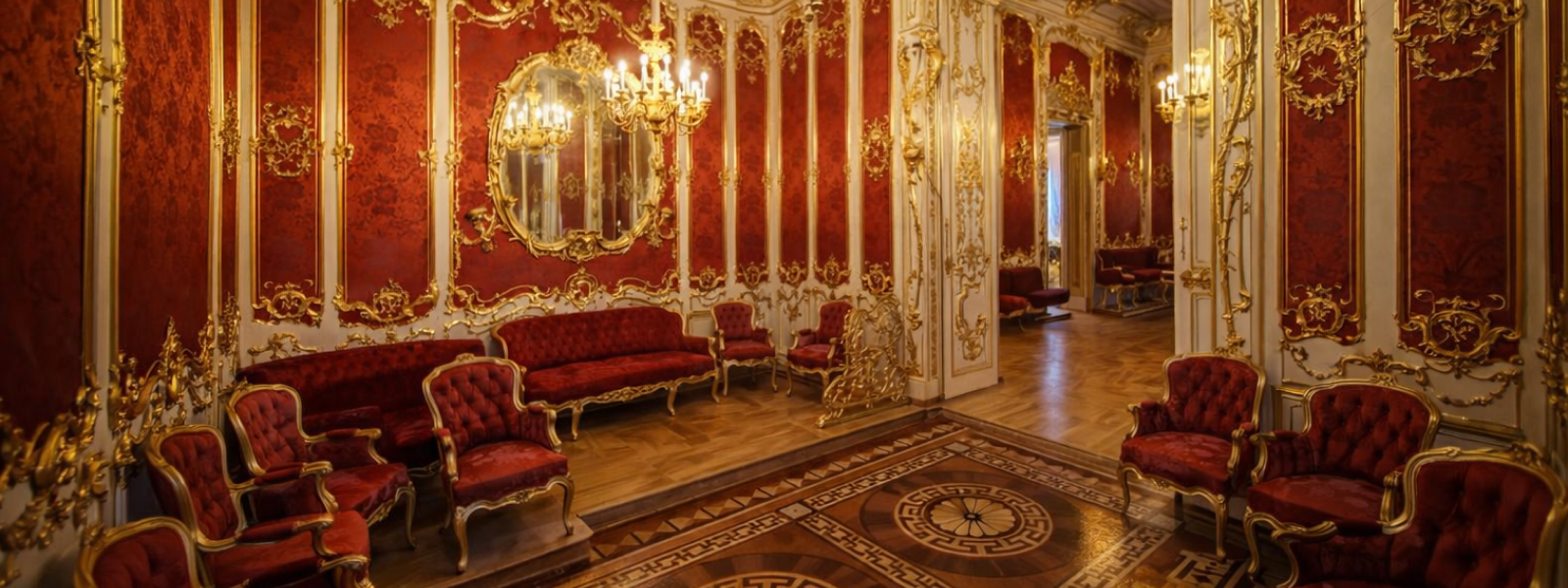
The second floor is the most ceremonial part of the route. Here the Winter Palace unfolds: the Jordan Staircase, the Grand Throne Room, the Armorial Hall, the Nicholas Hall, the Malachite Drawing Room, the Pavilion Hall, and the Peacock Clock.
Here you can build a route around 19th–20th century art, the East, temporary exhibitions, and halls with less palace splendor but more museum focus. There are fewer tourists here, as many simply don't make it to these halls.
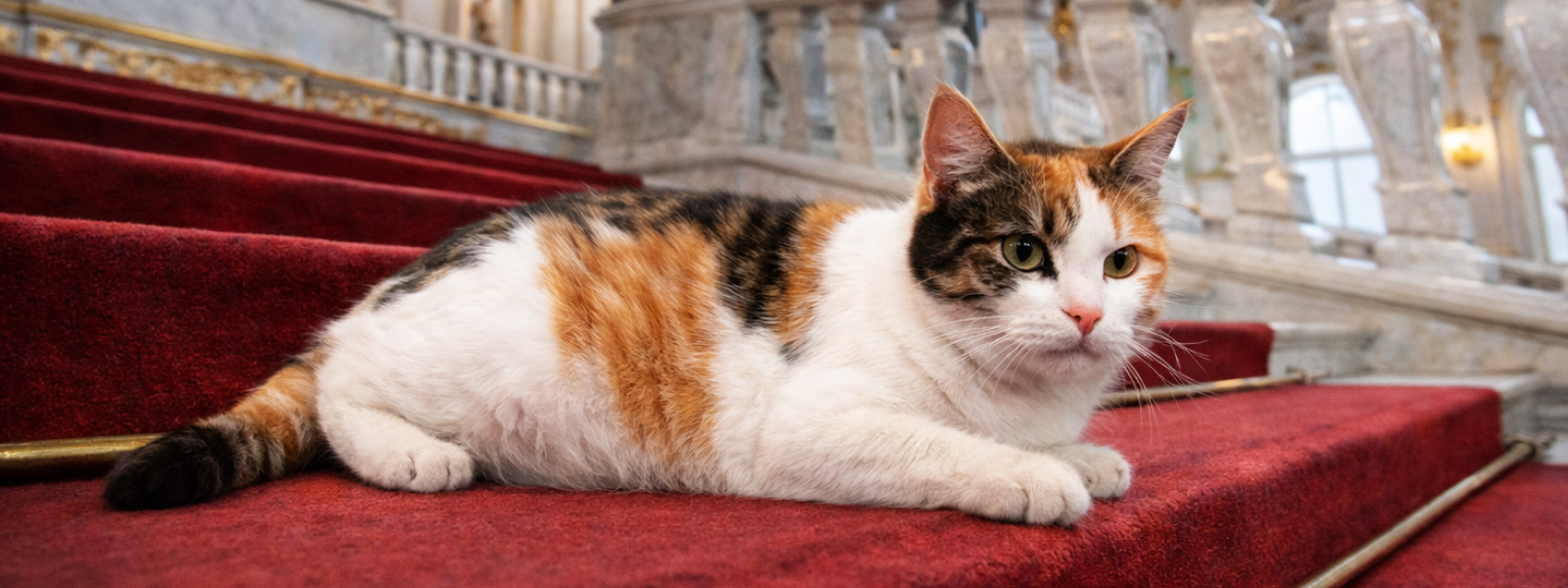
A traveler from Moscow. Ran away from the station, half a year later was found at the entrance to the Hermitage, and then stayed to serve art.
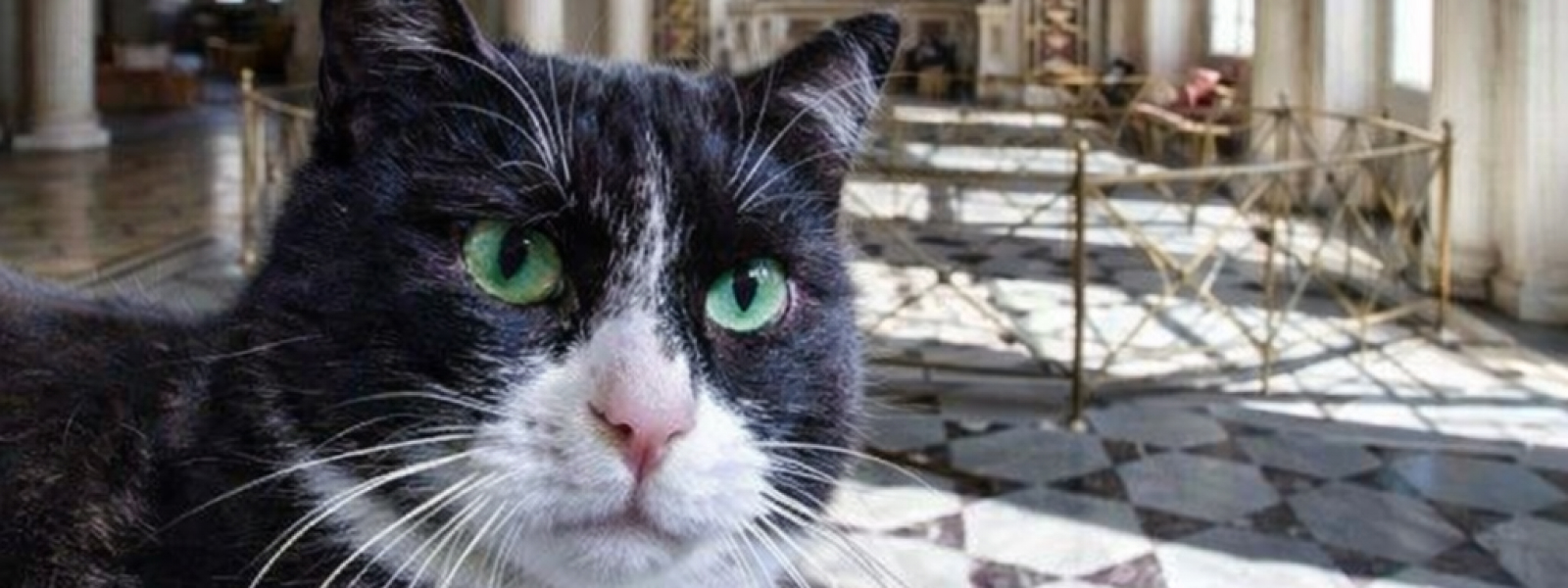
A venerable cat and descendant of those very saviors of the city. She has a butterfly-shaped spot on her back, which is considered a good omen.

Got his name after the story with the ventilation of the Anthony van Dyck hall. Now he is one of the most memorable cats of the museum team.

Accredited historian and top-category guide for Saint Petersburg and its suburb…
Go

Historian and top-category guide to Saint Petersburg and suburbs. Leads emotio…
Go
Creates large-scale and dynamic routes covering key eras and ensembles of the c…
Go
Creates multifaceted tours covering different eras of St. Petersburg — from imp…
Go
Creates poetic tours combining imperial residences with the literary heritage o…
Go

