


Writes about St. Petersburg, its history, sights, museums and routes.
Museum guide to art, culture and St. Petersburg of the 18th–19th centuries.
If you are planning a trip to St. Petersburg and are looking for unusual palace-and-park locations, the Hermitage Pavilion in Tsarskoye Selo should be on your list of must-see places. This amazing architectural ensemble impresses both with its external luxury and its rich 18th-century history.
Where the Hermitage Pavilion is located
The pavilion is located in the very center of the Catherine Park of Tsarskoye Selo (the town of Pushkin, not far from St. Petersburg). It stands on a picturesque island surrounded by a canal and fits perfectly into the park - one of the finest examples of 18th-century European landscape design.
Catherine Park is famous for its wide alleys, ponds, classical and exotic pavilions, as well as the magnificent Catherine Palace - the summer residence of Russian emperors.
History and architecture of the pavilion
The pavilion was built in 1743-1753 by order of Empress Elizabeth Petrovna, daughter of Peter I, and is considered one of the finest examples of Russian Baroque. The court architects Mikhail Zemtsov, Andrey Kvasov and Savva Chevakinsky worked on the project, and the final facade design was carried out by the famous architect Bartolomeo Rastrelli. The pavilion building blends harmoniously into the architectural ensemble of the Catherine Palace - the same colors, columns and gilded details create the impression of a mini-version of the palace surrounded by nature.
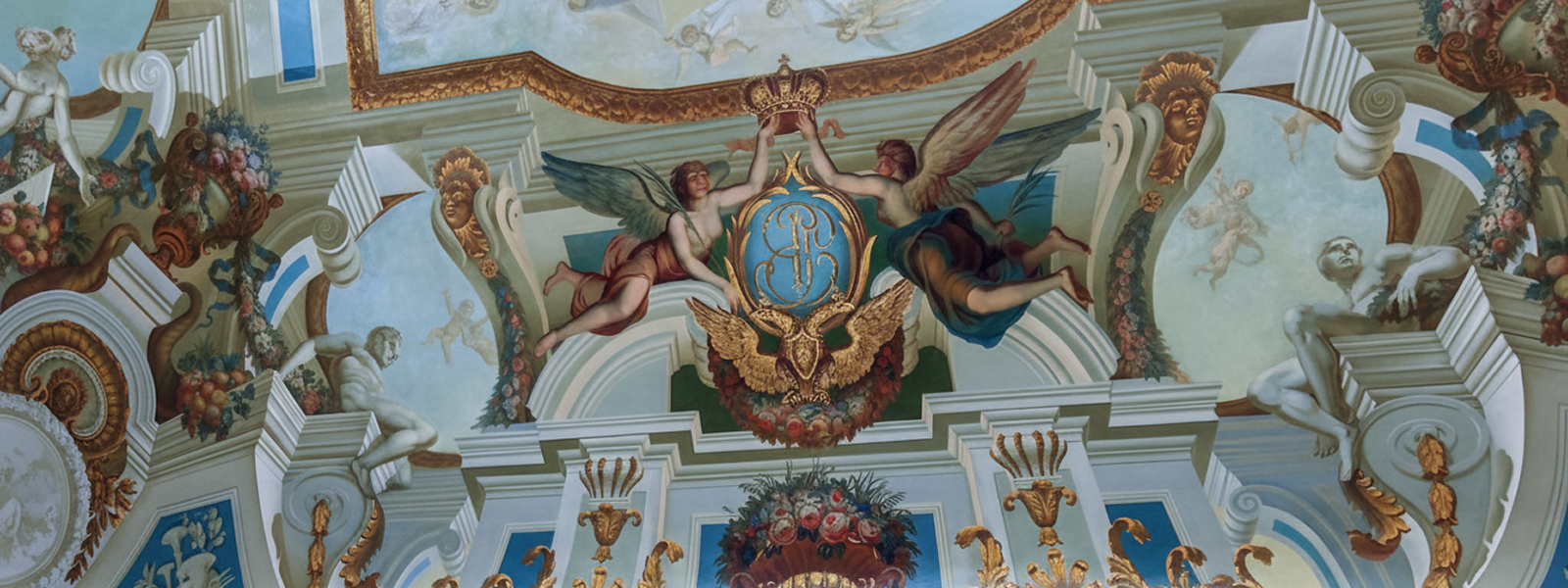
Initially, the pavilion was used as a cozy place for rest and entertainment of the empress and her entourage. Its central hall was intended for private dinners and conversations.
The Hermitage in Catherine Park: stories, intrigues and the private life of the imperial court
The Hermitage Pavilion in Tsarskoye Selo was conceived as a space for solitude, intellectual leisure and courtly pleasures. The word "hermitage" itself comes from the French ermitage - "hermitage, secluded place" - and in the 18th century such pavilions served as intimate corners for a select circle of guests.
Elizabeth Petrovna and the fashion for "closed pleasures"
The idea of building the Hermitage belonged to Empress Elizabeth Petrovna, known for her love of luxury, festivities and theatrical effects. Contrary to popular belief, both lavish balls and closed intellectual evenings were held here, to which only those close to her were admitted.
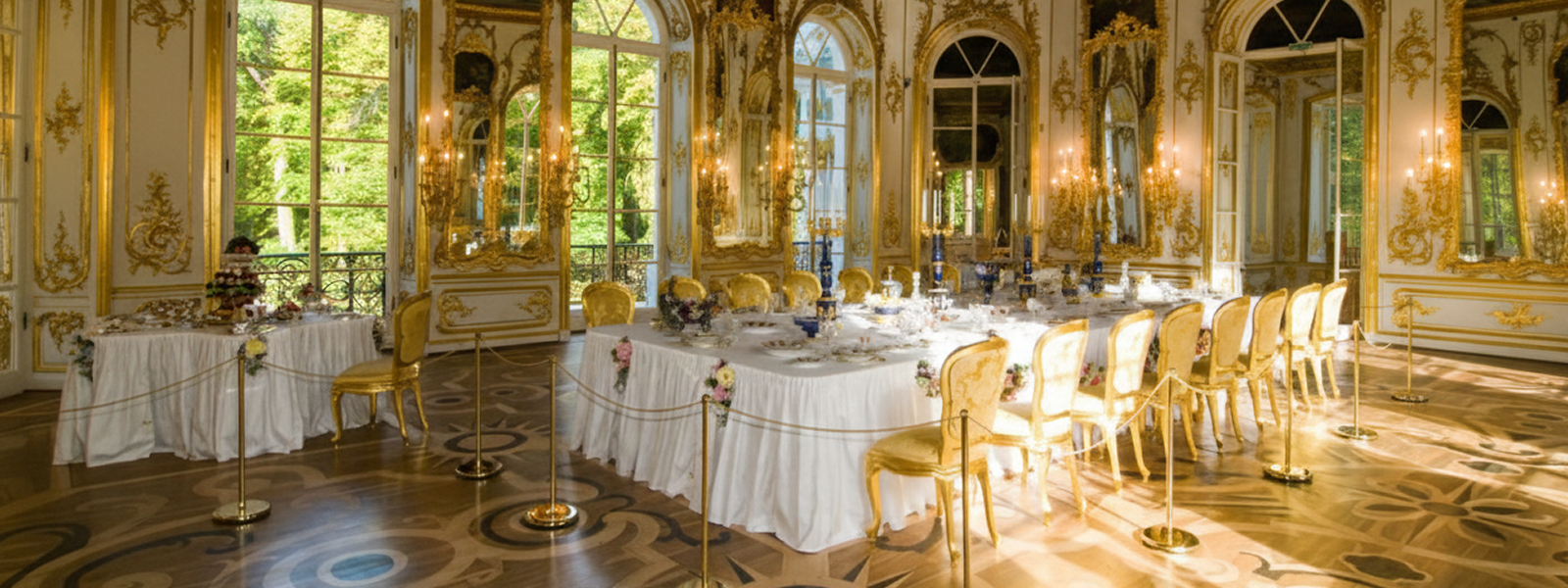
The Hermitage Pavilion became a place for: private dinners without servants, philosophical conversations, card games, musical and poetry evenings.
According to the memoirs of contemporaries, it was here that the empress could afford to be simply a woman of the Enlightenment, free from strict court etiquette.
"Invisible servants" and the engineering marvel of the 18th century
One of the most striking elements of the pavilion was the unique system of rising tables. At that time it was a true demonstration of progress and status.
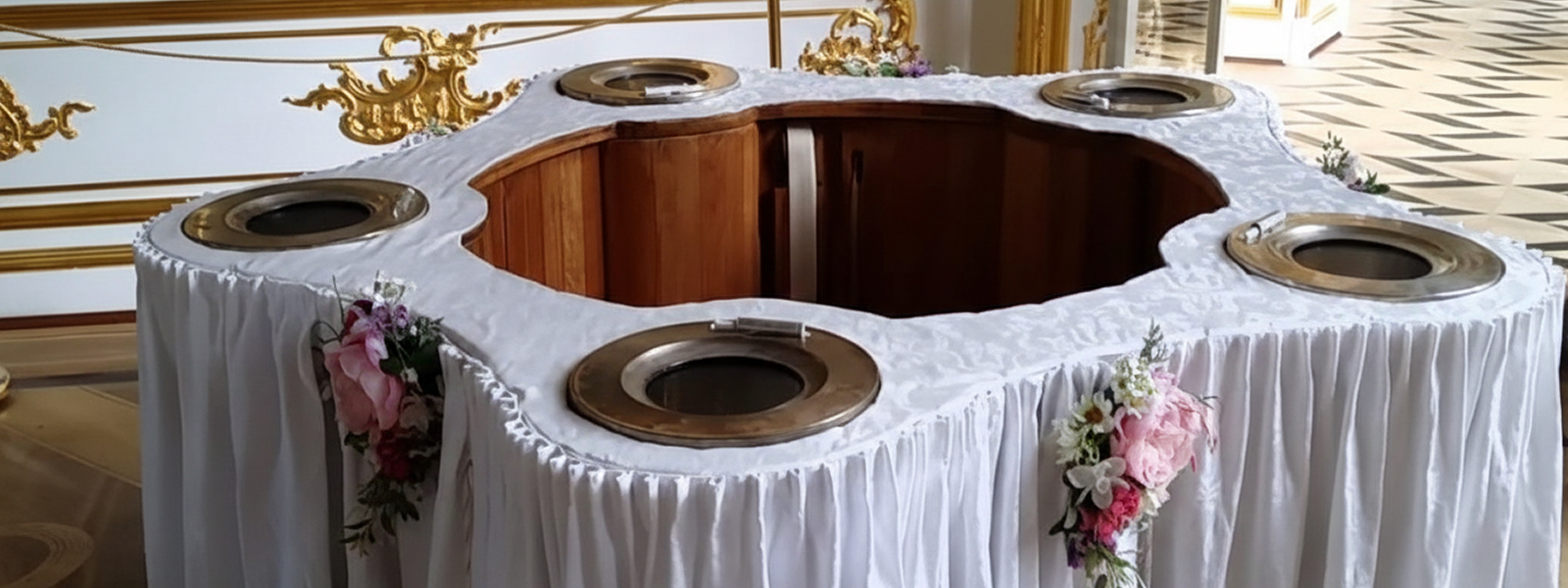
How it worked: the table was set one floor below, then raised into the state hall with the help of mechanisms, and after the meal lowered back, freeing up the space.
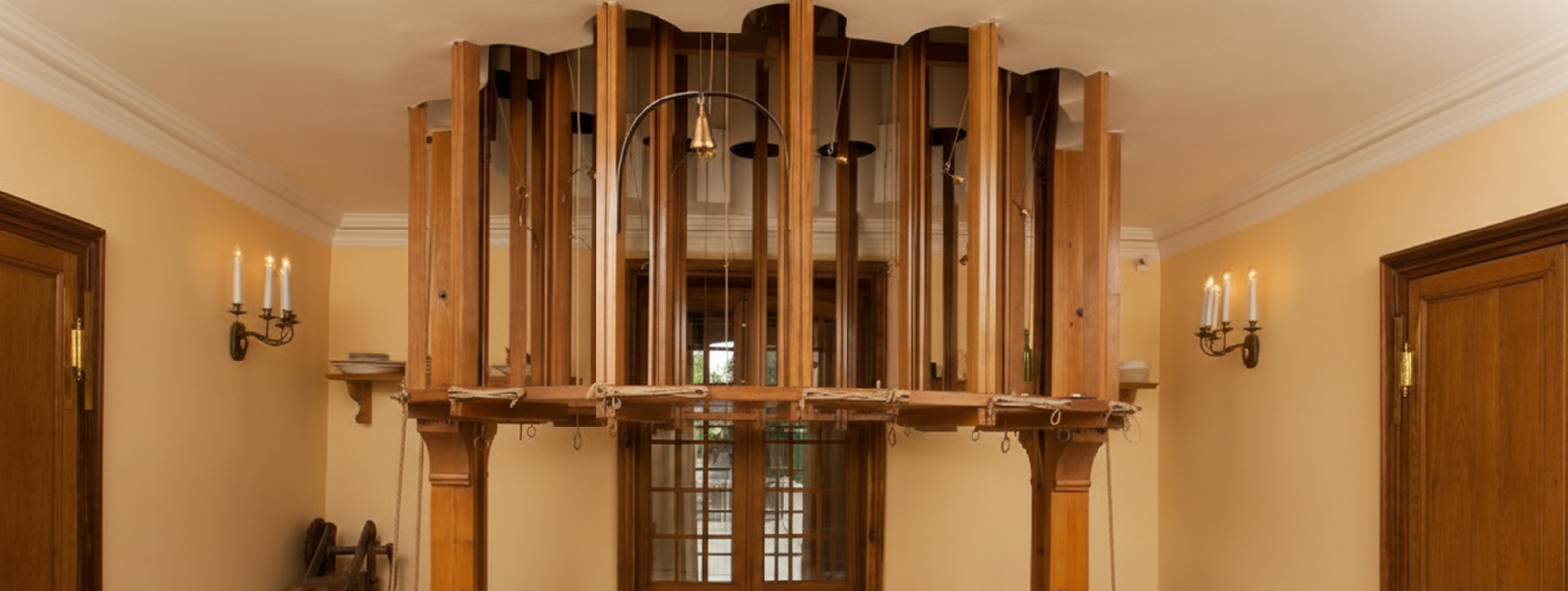
Thus, guests could dine without the presence of servants, which was considered the highest form of privacy and at the same time an amusing entertainment. For the 18th century it looked almost like magic - no wonder foreign diplomats called the Hermitage "the Russian miracle of mechanics".
Court intrigues and secret conversations
Historians believe that in the Hermitage Pavilion: political alliances were discussed, appointments were decided, marriages were made and reputations were ruined
Here were seen: favorites of Elizabeth Petrovna, high-ranking military men, court ladies whose outfits cost fabulous money
It is believed that it was in such "closed spaces" that the unofficial policy of the empire was formed
Catherine II: philosophy, cards and enlightenment
Under Catherine the Great, the significance of the Hermitage changed. The empress used the pavilion for entertainment, but to a greater extent for: philosophical conversations, card evenings, meetings with the enlightened elite
It is known that Catherine II adored card games and often spent evenings here in a narrow circle, discussing the ideas of Voltaire, Diderot and Montesquieu. The pavilion became a kind of "club of the enlightened nobility", where social entertainment was combined with the intellectual fashion of the era.
Why the Hermitage was closed to ordinary mortals
Unlike the Catherine Palace, the Hermitage Pavilion remained inaccessible to the general public for a long time. It was visited only by personal invitation of the Empress.
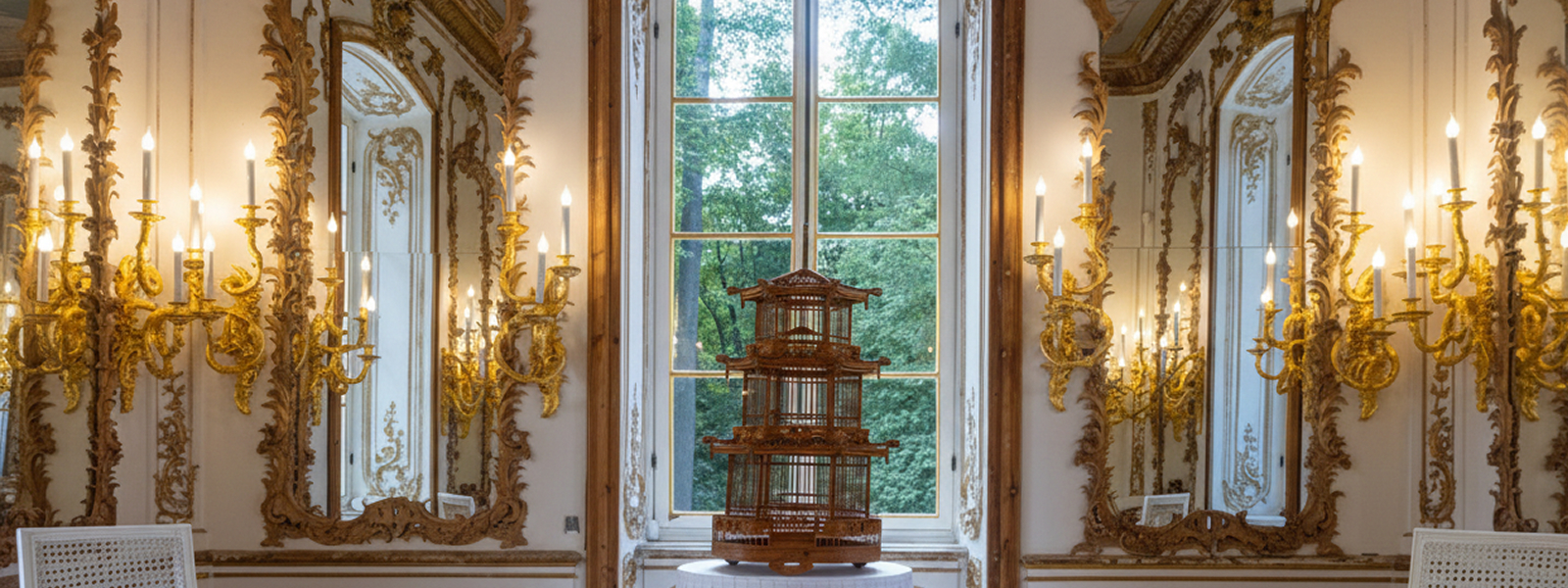
This created an aura around the building: of mystery, exclusivity, inaccessibility.
Even courtiers often learned about what was happening inside only through rumors, which further increased interest in the pavilion.
From imperial secret to museum site
After the abolition of the imperial court, the pavilion gradually lost its closed function, but preserved: its original layout, historic interiors, and the atmosphere of the 18th century.
Today it is part of the Tsarskoye Selo State Museum-Reserve and a living witness to the private life of Russian monarchs.
What to see around: attractions of Tsarskoye Selo
The Hermitage Pavilion is only part of the vast palace and park ensemble in Tsarskoye Selo. Besides it, tourists will be especially interested in:
The Catherine Palace and the Amber Room - a grand imperial palace with the richest interior
The Grotto, the Turkish Bath Pavilion, the Chesme Column and other architectural decorations of the park
The Catherine Park (English and regular parts) - an ideal place for walks among ponds, canals, bridges and green alleys
Modern events and visiting
Today the Hermitage Pavilion is part of the Tsarskoye Selo State Museum-Reserve, where it welcomes tourists as an important monument of the 18th century. Next to the Hermitage there is a cafe and restaurant Hermitage Kitchen, where you can have dinner and relax after a walk in the park. In the summer season, the park often hosts cultural events, exhibitions, musical evenings and themed tours, which makes the visit more enriching and interesting. In winter, the pavilion is especially photogenic on a sunny day. This is one of the best locations for photography.
How to visit the Hermitage Pavilion
The Hermitage Pavilion is part of the Tsarskoye Selo State Museum-Reserve and is located on the territory of the Catherine Park in the town of Pushkin.
How to get there:
from St. Petersburg by commuter train from Vitebsky railway station to Tsarskoye Selo station
by bus from Moskovskaya or Kupchino metro stations;
by car. You can park on nearby streets, not far from the entrances to the museum-reserve
Visiting:
the pavilion can be viewed as part of a guided tour or with a museum ticket
during high season it is recommended to book tickets in advance
it is most convenient to combine a visit to the Hermitage with a walk in the Catherine Park and a tour of the Catherine Palace.
Best time to visit:
May-September - for walks in the park and photography
morning hours - fewer visitors and soft light
in winter - for atmospheric photos and a quiet visit
The Hermitage Pavilion in Tsarskoye Selo is history and a real adventure for every traveler who wants to better understand the atmosphere of imperial Russia. Plan your trip in advance to see and capture this splendor.

Excursion to Pushkin from Saint Petersburg
Visit Catherine Palace →








