


Writes about St. Petersburg, its history, sights, museums and routes.

A guide to the history and architecture of Petersburg and its imperial suburbs.
1. The Hermitage and Palace Square
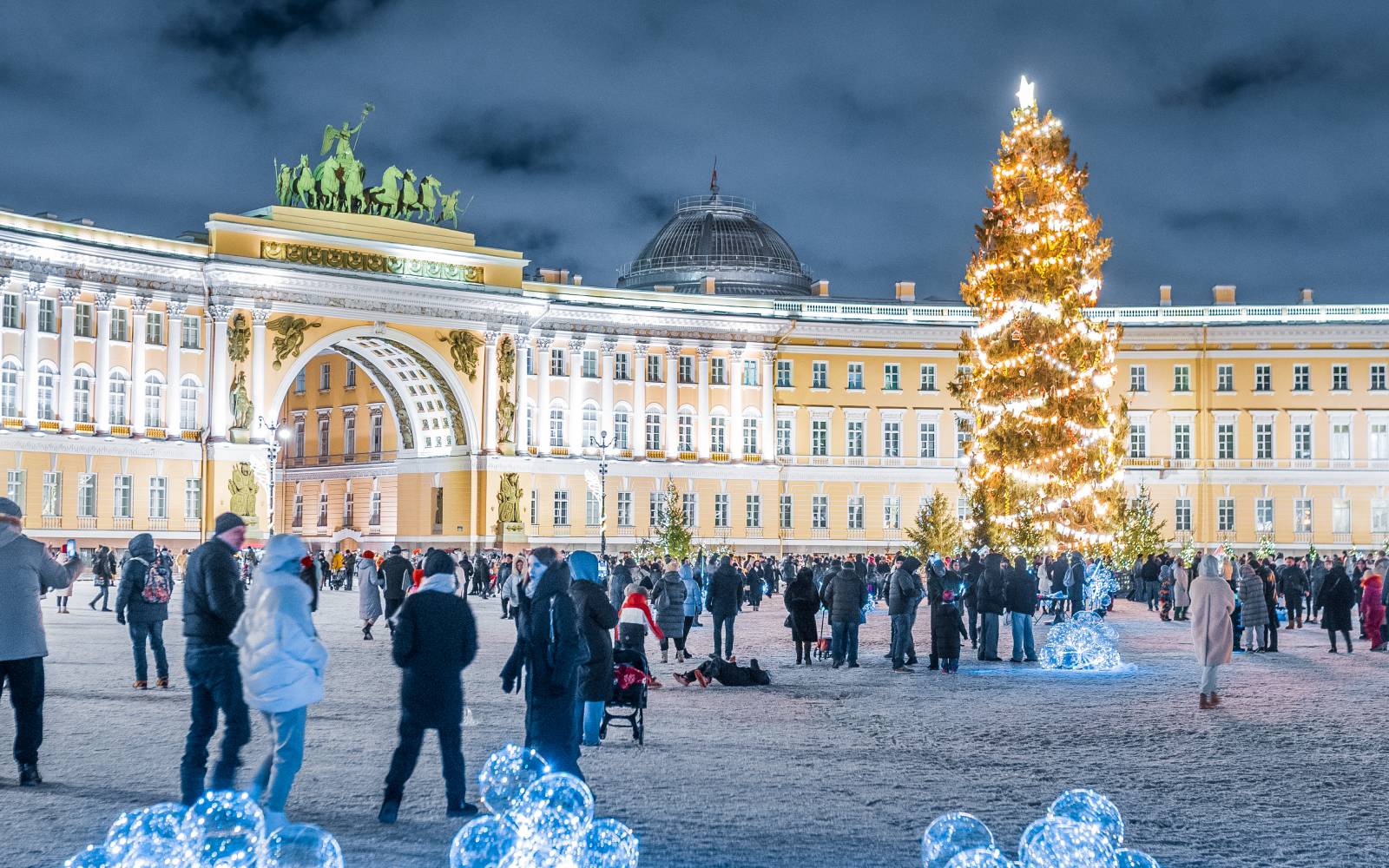
The Hermitage is a place where you very quickly understand the scale of Saint Petersburg and of all Russia as a cultural power. Hall after hall, the gold of the stucco, parquet that remembers the steps of monarchs and revolutionaries — and the sudden feeling that you are not just a tourist, but a guest in a huge house with a long history.
Some come here for the "Madonna Litta" or for Rembrandt's masterpieces, others simply to wander along the grand staircases and feel inside their favorite books and films. Almost everyone catches the moment when they stop hurrying and linger by one painting longer than the usual five seconds.
Palace Square complements this picture: cobblestones, a granite column, the facade of the Winter Palace. Here it is easy to imagine both parades and winter sleigh rides, and October 1917. The square gives a feeling rare for a big city: there is a lot of space, and you are standing right in its center.
You can see the Hermitage and Palace Square as part of a sightseeing tour of Saint Petersburg by bus with a visit to the Hermitage .
2. Nevsky Prospect
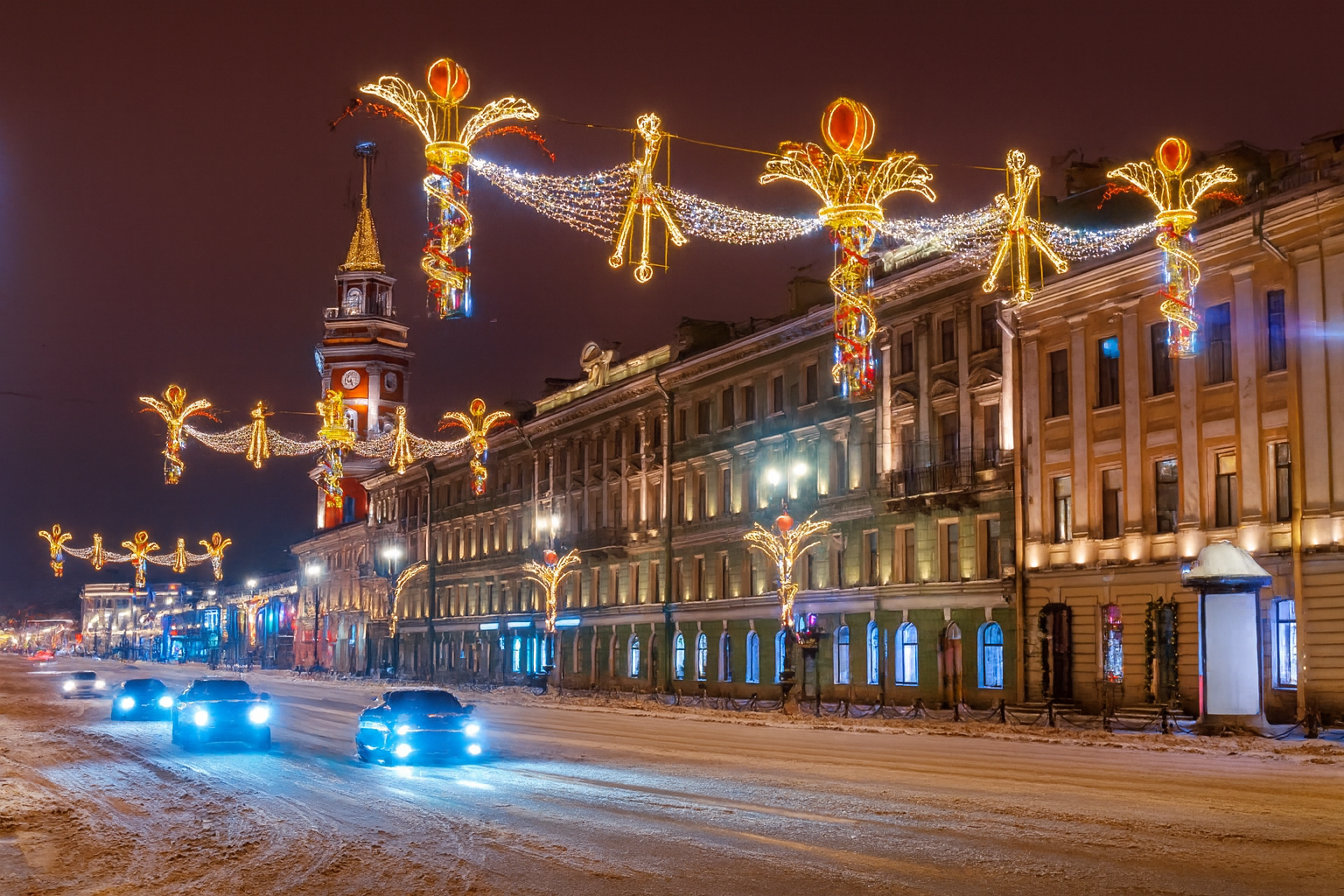
Nevsky is the main street and the central nervous system of Petersburg. In the morning people hurry to work with coffee, in the afternoon they go shopping, in the evening they stroll, listen to street musicians and catch the sunset between the facades. I myself sometimes like to sit with coffee on the second floor of the "House of Books" in the Singer Company building, looking out the window at Nevsky and Kazan Cathedral.
In a small stretch fit the Singer Company building, Eliseevsky Store, Kazan Cathedral, old signs and entrance halls that you just want to peek into. Even if you are simply going about your business, the city constantly suggests: "Stop, look up."
For a tourist, Nevsky is the first "corridor" of getting to know the city. For a resident, it is a place to check whether Petersburg is alive: if music is playing on Nevsky, someone is laughing and arguing, then everything is fine.
Nevsky Prospect is necessarily included in the route any of the sightseeing tours of Saint Petersburg
3. Peter and Paul Fortress
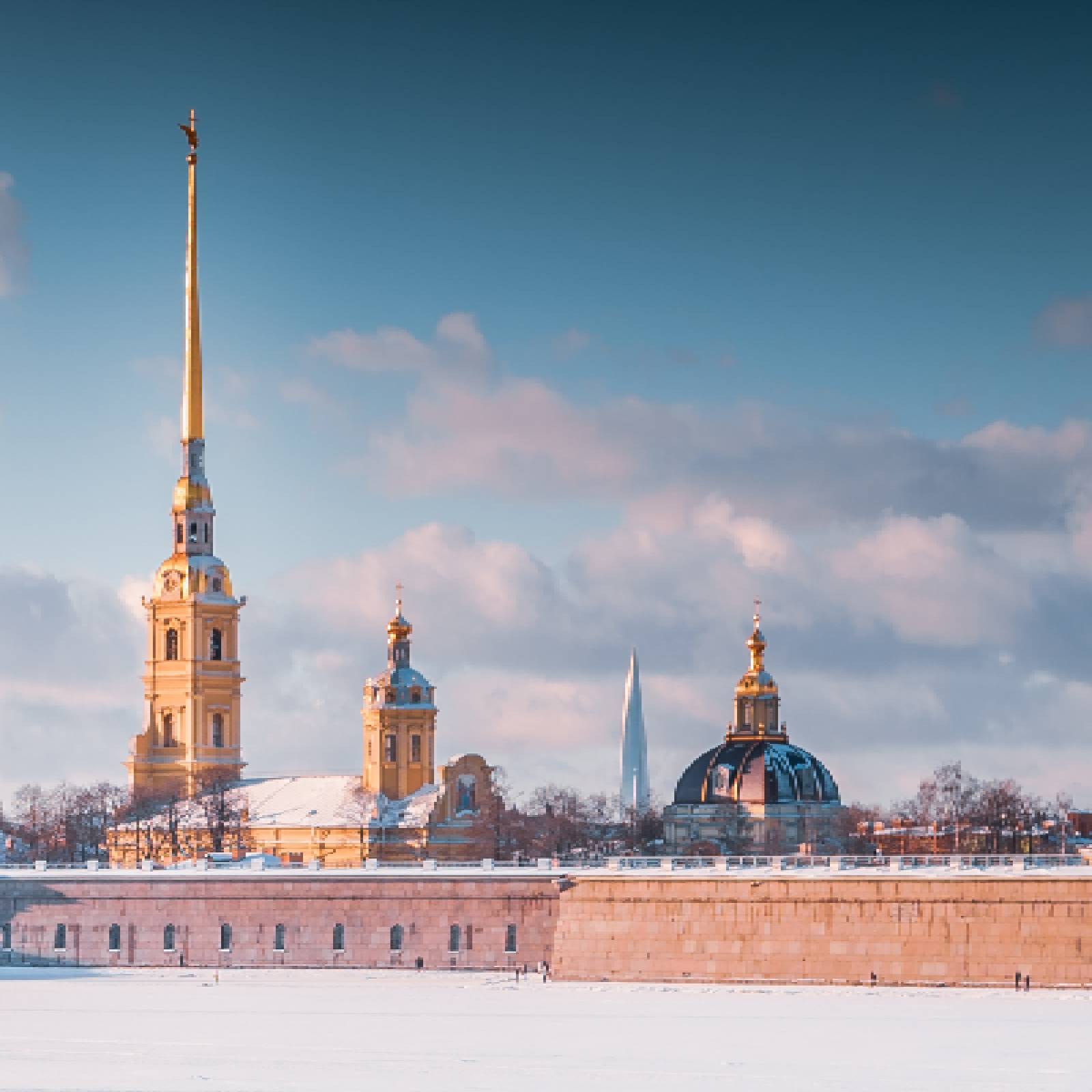
The Peter and Paul Fortress is a small city within a city: walls, bastions, cathedral, courtyards, embankment. Here you physically feel that it was from here that Petersburg began to grow along the Neva.
The cathedral's spire, visible from almost any point in the center, the cannon shot at noon, the panorama of the embankments — all this adds up to a very coherent image of a city living on the water and with the water.
Many people enjoy simply sitting on the Petropavlovskaya Embankment: the wind from the river, the view of the Winter Palace and the Admiralty, the soft sound of the waves. This is a place where it is especially easy to allow yourself to do nothing.
You can go inside the fortress and stroll along the embankment during a sightseeing tour with a stop at the Peter and Paul Fortress .
4. St. Isaac's Cathedral and the Colonnade
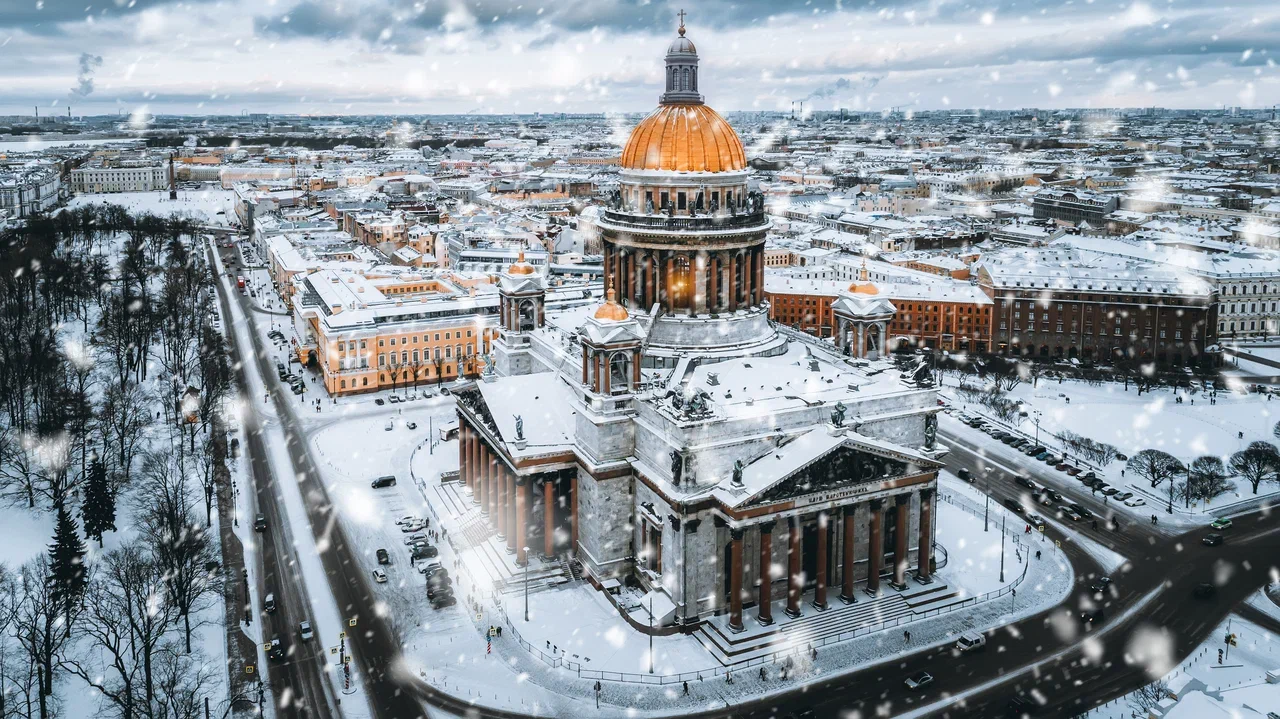
St. Isaac's from the outside is all about scale. Granite columns, a gilded dome, sculptures on the pediments — all of this makes you want to take a step back just to take in at least the facade.
Inside, the cathedral appeals to a different feeling: marble, gold, soft light, huge icons. Many say that here it suddenly becomes clear: there is something far greater than current tasks and affairs.
Climbing to the colonnade is a small personal feat: 262 steps, and at the top — a panorama of rooftops, Nevsky Prospect, the Admiralty, church domes. The city is literally at your feet.
You will see St. Isaac's Cathedral from the outside as part of any sightseeing tour of St. Petersburg , and then you can climb the colonnade on your own.
5. The Russian Museum
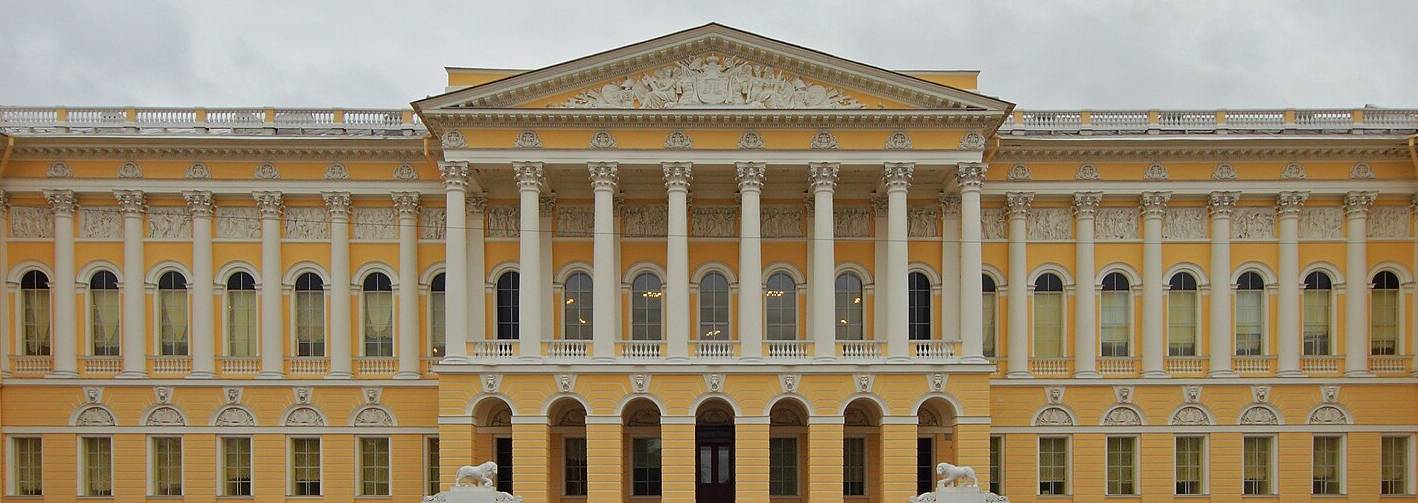
The Russian Museum is a complex that includes the Mikhailovsky Palace, the Mikhailovsky Castle (as a branch), the Stroganov Palace, and the Summer Garden. The main building of the museum houses impressive paintings that many have known since childhood from textbooks: 'The Ninth Wave', 'Barge Haulers on the Volga', 'The Last Day of Pompeii', 'The Rooks Have Come Back'.
In real life the canvases turn out to be enormous, the colors more vivid, and the faces of the characters almost real. In the museum's halls it's easy to catch a state where you seem to be strolling through the country's history inside these paintings: imperial, merchant, peasant, revolutionary.
For many, the Russian Museum gives a sense of grounding: it becomes clearer what "material" our culture is made of and why it is these very subjects and colors that move us.
The Russian Museum is also convenient to visit on your own when you are already familiar with the city center.
6. The Kunstkamera
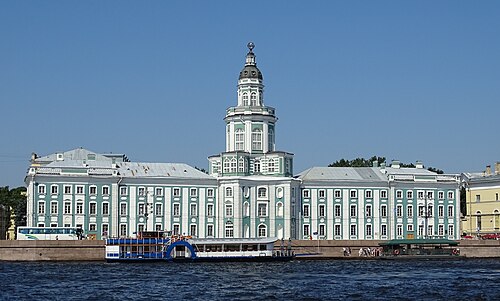
The Kunstkamera is known for its hall of anatomical curiosities, but that is only part of the story. Yes, the first impression is often shock — that's how our brain works. But within just a few minutes your gaze shifts to something else: how unusually nature works and how many forms life has.
The ethnographic halls show the world in breadth: homes, clothing, masks, ritual objects of dozens of peoples. You look at all this and realize: what seemed "normal" is just one of the possible versions.
After the Kunstkamera, people often come out a little calmer and more mature: fear of the unknown becomes interest, and the world becomes noticeably broader.
You will see the Kunstkamera building and the Universitetskaya Embankment on the evening sightseeing tour , remember the location and be sure to visit the Kunstkamera separately. .
7. Kazan Cathedral
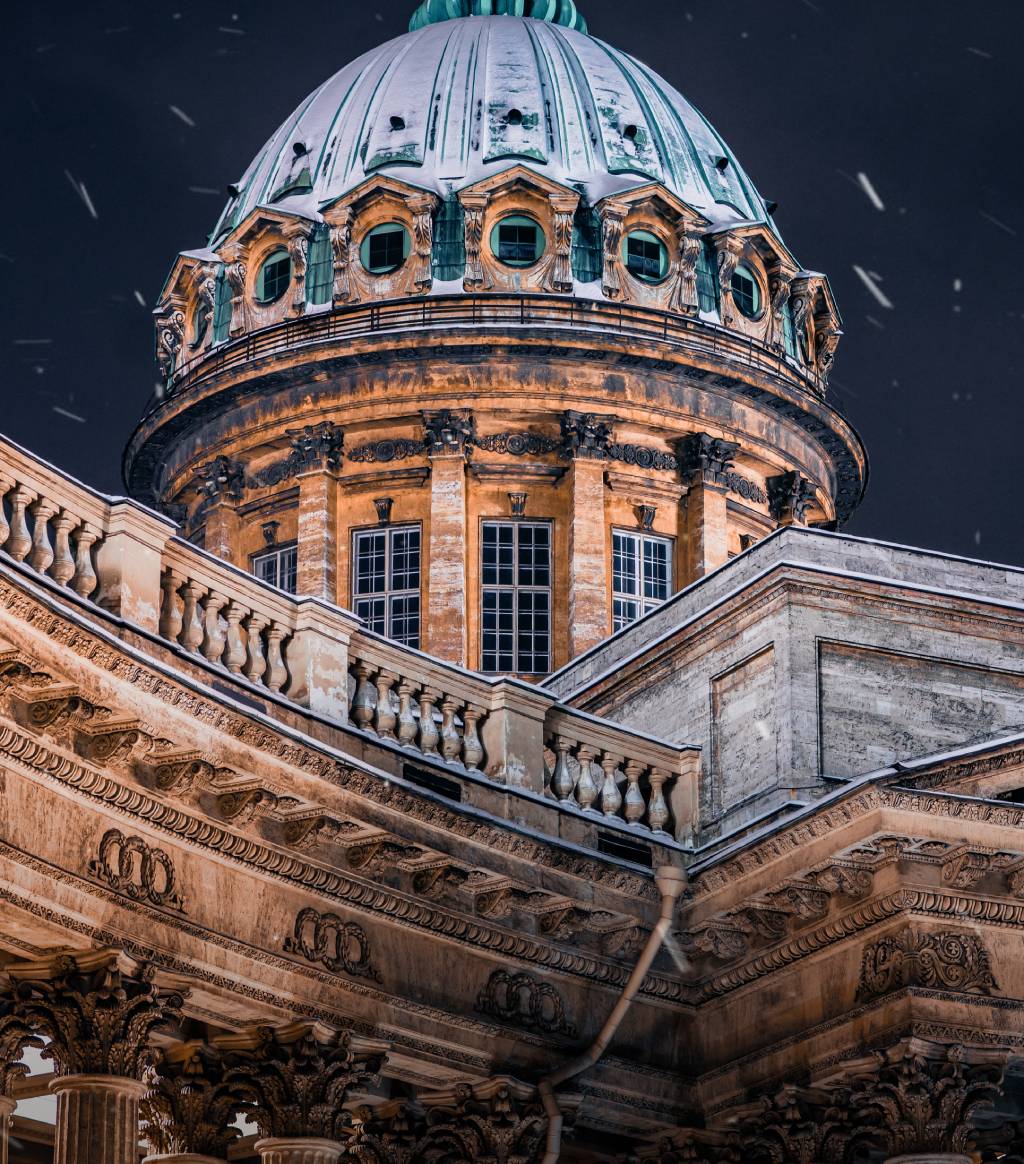
Kazan Cathedral on Nevsky is a stone magnet. The colonnade gathers people in a semicircle, and inside the dim light, candles, and quiet voices create a sense of a separate world.
People often drop in 'for a minute': to light a candle, stand aside, just sit on a bench. Even people far from religion note that after Kazan Cathedral their thoughts become a little clearer.
This is a place where it's very easy to ask yourself "how am I really?" and answer honestly.
You will also see Kazan Cathedral as part of the general sightseeing tour, . It is located right on Nevsky Prospect next to the Singer House and the large bookstore 'Dom Knigi', where on the second floor there is a cozy cafe with a view of the avenue. We recommend taking a walk around this location in the evening on your own — to see Kazan Cathedral, cross Nevsky Prospect, and walk past the Singer House (Dom Knigi) to the Church of the Savior on Spilled Blood. Exploring this location can take you from 20 minutes to 2 hours depending on whether you visit the buildings themselves or not, but this walk will remain in your memory forever!
8. The Church of the Savior on Spilled Blood
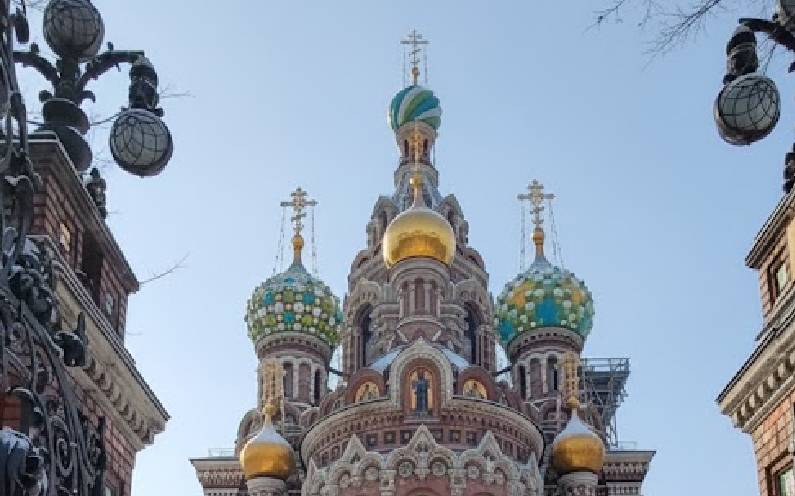
Against the backdrop of strict St. Petersburg facades, the Savior on Spilled Blood looks almost fairy-tale-like: colorful domes, tiles, mosaics. But behind this beauty is the memory of a tragedy: Emperor Alexander II was fatally wounded here.
Inside, the church is literally lined with mosaics — from floor to vaults. Color, light, and stone create the feeling that you have entered a precious jewelry box where every centimeter matters.
Many share the same feeling: first you photograph the beauty, then you remember the history — and the picture becomes much deeper.
The Savior on Spilled Blood is part of the route. As we said earlier, it is very close to Kazan Cathedral and 'Dom Knigi', so these three locations are convenient to combine into one walk.
9. The Spit of Vasilyevsky Island and the Aurora
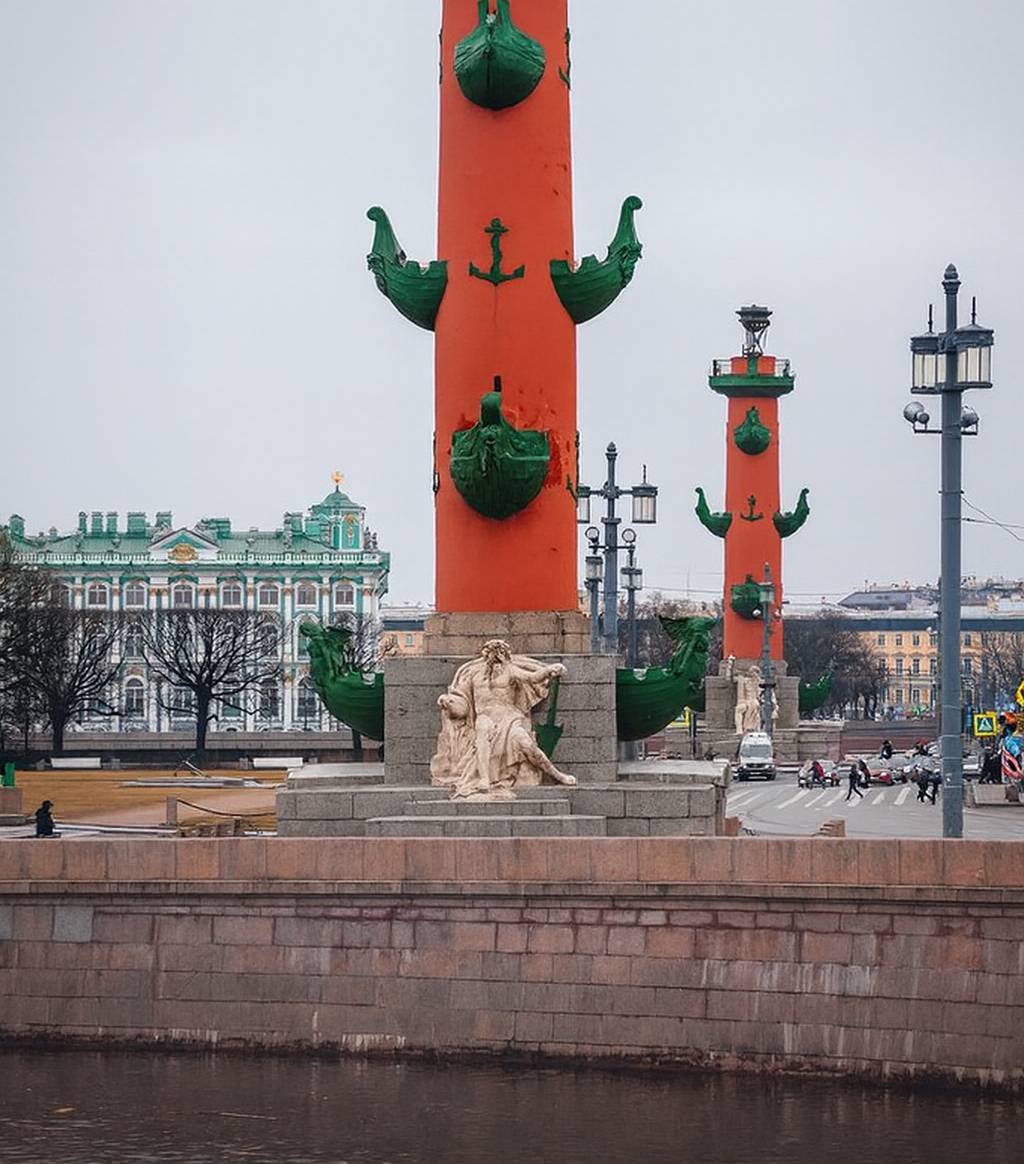
The Spit is a free observation deck overlooking the whole center of St. Petersburg. From here you can see the Winter Palace, the Peter and Paul Fortress, and the bridges.
This is where people arrange dates, come to take photos, catch the white nights, and simply sit on the granite with their legs dangling toward the Neva. From here the city feels whole: water, stone, domes, ships — all in one frame.
You will see the Spit of Vasilyevsky Island during the day on the sightseeing tour with a visit to the cruiser Aurora , and then you can come back here for a walk on your own.
10. The Cruiser Aurora and the Petrograd Side
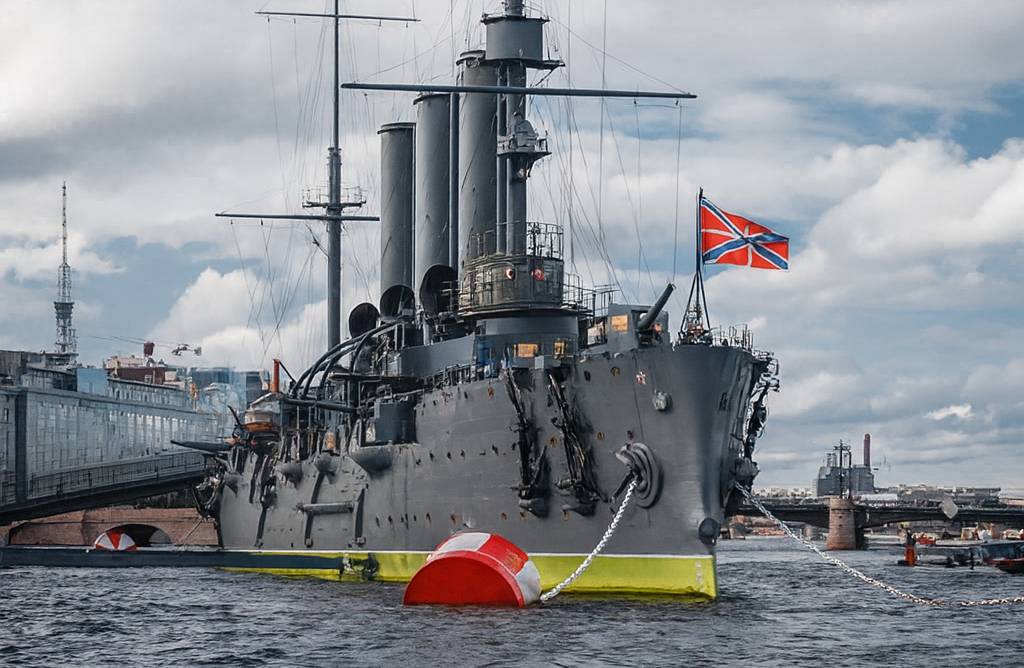
The embankment by the Aurora is an interesting mix of grandeur and everyday life. Against the backdrop of the ship that symbolizes the revolution, families with strollers stroll, children eat ice cream, and tourists carefully read the plaques.
Around it is the Petrograd Side: old apartment buildings, quiet courtyards, small public gardens. This is a less ceremonial but very lively St. Petersburg, where in the evenings stroll those for whom the city is home, not just a postcard.
The cruiser Aurora is part of the route sightseeing bus tours with a visit to the Aurora . On the way to it you will see an old ship-restaurant: in the evening it is especially pleasant to sit there with a loved one, looking at the Neva and the lights of the embankment.








