


Writes about St. Petersburg, its history, sights, museums and routes.

The Kunstkamera is familiar to almost everyone. In conversations, it has long been established as a museum of freaks. This word surfaces first and often remains the only explanation.
For its time, the Kunstkamera was a real shock. In an era when bodily peculiarities were tried to be hidden, illnesses and deviations were not spoken aloud, and everything personal remained behind closed doors, here it was brought into open space. What was considered shameful, strange, and frightening suddenly became a subject of study and conversation.
How and why the Kunstkamera appeared
At the end of the 17th century, Peter I traveled extensively in Europe. He visited cabinets of curiosities in Holland and England, examined collections, asked questions, bought instruments, books, strange objects. His interest was not idle. He saw in such collections an instrument of knowledge.
Peter was attracted by the possibility of explaining what had previously frightened. In Europe, he saw how anatomical collections were used by doctors, how natural rarities became a reason for scientific debate, not superstitious fear. There, mutations ceased to be a curse, and turned into a subject of study.
There is also a more personal version. Peter was painfully sensitive to ignorance and prejudices. He was irritated that illnesses, congenital peculiarities, and physical differences in Russia were explained by the "evil eye," sins, or God's punishment. The collection was supposed to show otherwise. The human body obeys the laws of nature, which means it can be studied, understood, and treated.
Returning to Russia, Peter began to assemble his own "sovereign's cabinet." Everything unusual went there: natural rarities, anatomical preparations, objects from distant countries, scientific instruments. In 1714, the collection received official museum status. Thus the Kunstkamera appeared — the first public museum in Russia.
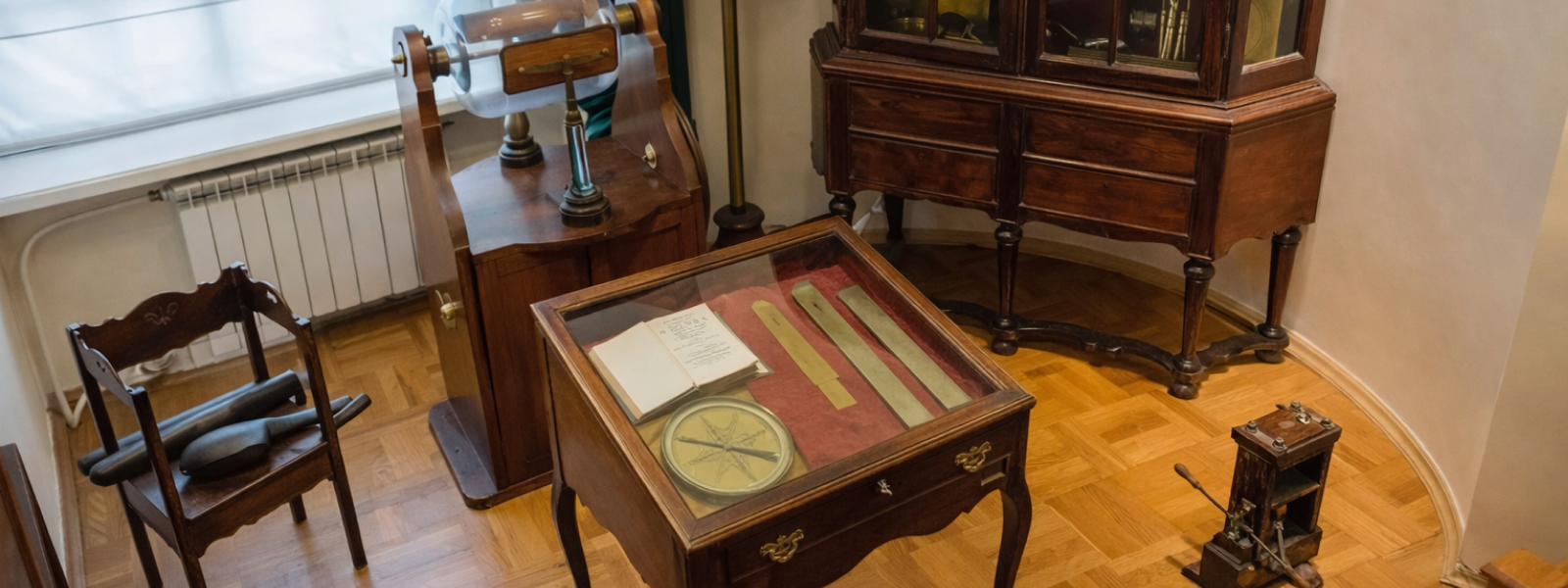
Peter did not intend to hide this collection. He deliberately made it open. For his time, this was radical. Collections used to be guarded and shown only to a narrow circle. Peter did the opposite. He opened the museum to everyone and even ordered that visitors be treated to refreshments so that people would not be afraid to come in and would stay longer.
After the founding of the Russian Academy of Sciences in 1724, the Kunstkamera became part of it and began to develop as a scientific center. The exhibits began to be described, studied, and systematized, and the collections grew rapidly. Mikhail Lomonosov also took part in working with the funds; he was involved in describing the mineralogical collection.
For a long time, the Kunstkamera served as the base of the Academy of Sciences while also remaining an open museum. Anyone could come here. To ensure the collection was replenished, Peter I ordered that any rare, ancient, and unusual objects be accepted for a reward.
A building constructed specifically for the museum
From the very beginning, it was decided to build a separate building for the Kunstkamera. It was founded in 1718 on the spit of Vasilyevsky Island, when it was already conceived as the city’s scientific and administrative center. This was a fundamental point: the Kunstkamera was not housed in a palace and was not adapted from living quarters. The building was designed specifically for a museum and scientific work, which for the early 18th century was rare even by European standards.
The project changed several times. Different architects worked on the building: first Georg Mattarnovi, then Nikolaus Herbel and Gaetano Chiaveri. Each of them contributed their own solutions, so construction stretched on for almost twenty years. The main work was completed by 1734. Brick, stone, and plaster were used, and the interior spaces were planned from the outset with exhibitions and scientific tasks in mind.
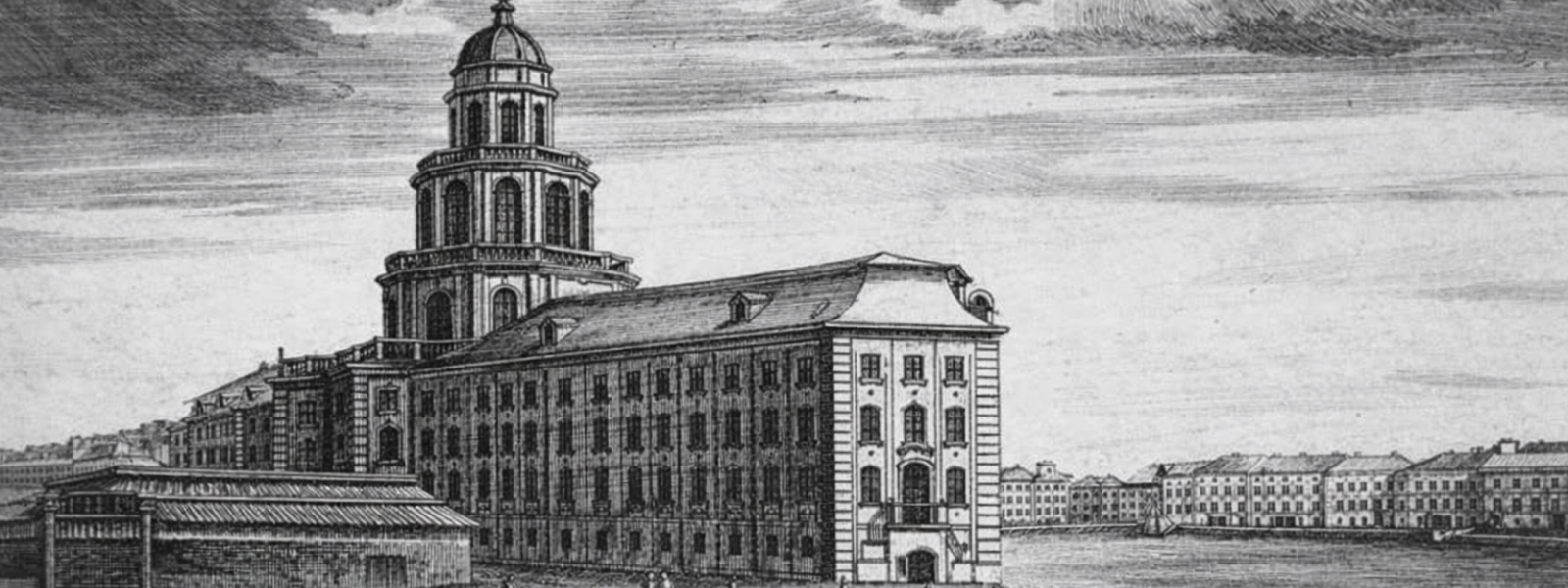
The result was a strict, symmetrical ensemble in the style of Petrine Baroque. The central tower became the architectural focal point and at the same time a functional part of the building. It housed an astronomical observatory, from which observations of the sky were made. Inside there were halls for collections, an anatomical theater, studies for scholars, and storage rooms. Everything was subordinated to one task — to study, systematize, and display.
For a long time, the Kunstkamera tower served as a landmark for ships on the Neva, and the building was perceived as a symbol of science in the new city. It immediately became part of the panorama of St. Petersburg and remains so to this day.
What is actually housed in the Kunstkamera
The museum’s holdings contain about one and a half million objects. This is a huge collection assembled over three centuries, and, of course, it is impossible to display it in full in the permanent exhibition. Therefore, some objects regularly appear in temporary exhibitions, some have been digitized and are available online, while the main exhibition gives a general idea of what this museum was intended to be and why it was created.
The Kunstkamera exhibition is logically structured and understandable even to those who come here for the first time. It is divided into several major areas, each of which reveals its own view of humanity and the world.
The Anatomical Cabinet
The most discussed hall of the museum. It is precisely with this that many associate the Kunstkamera’s enduring reputation. Here are collected anatomical preparations with congenital anomalies and rare developmental features. Peter I collected them as a visual aid for doctors and students.
Right at the entrance, visitors are greeted by the skeleton of the giant Nicolas Bourgeois, more than two meters tall, whom Peter I brought from France. Nearby are dental instruments and teeth that, according to legend, the emperor removed personally, considering this part of practical medical training. In this hall you can also see the death mask of Peter I and an impression of his hand.
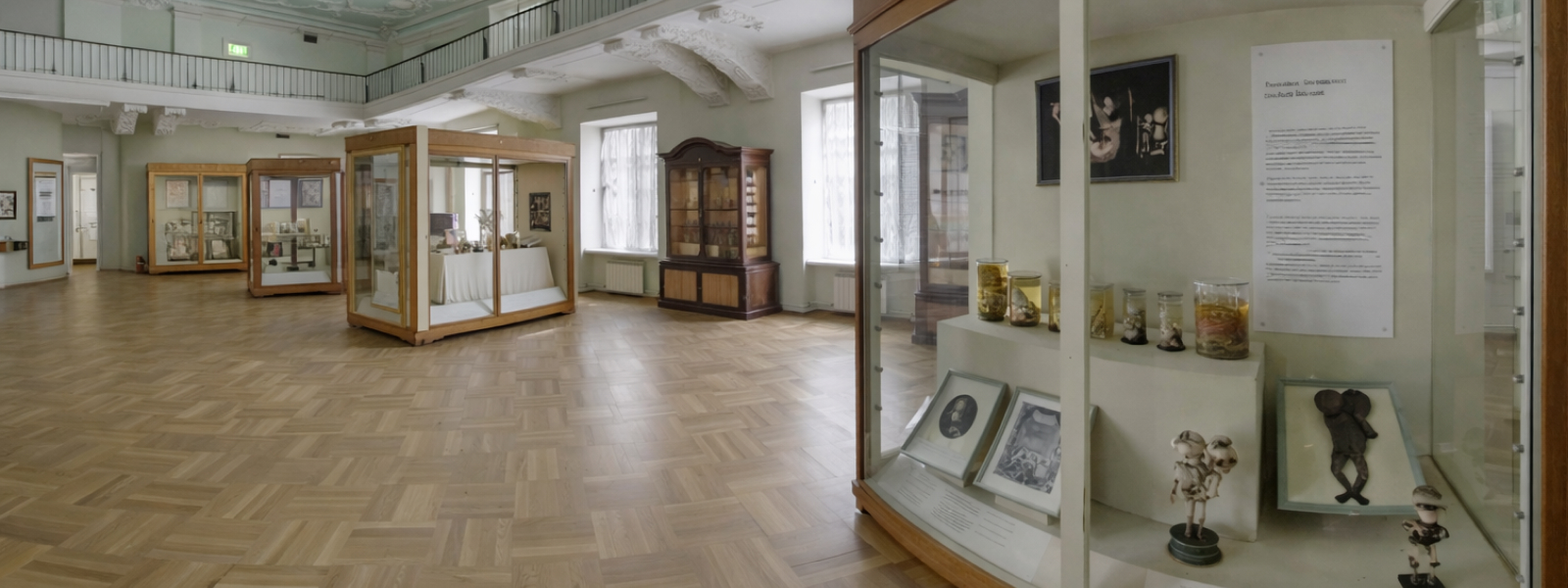
Section on the history of the Kunstkamera and Russian science of the 18th century
Here they tell the story of how the Russian scientific tradition took shape. The central place is occupied by the Mikhail Lomonosov Museum. His personal belongings, books, working tools, furniture, as well as instruments used by scholars of that time are on display.
The 18th-century meeting hall of the Academy of Sciences has been recreated, with a large table at which scholars listened to reports. On it are documents, decrees of Peter I, and symbols of state power. All of this offers a rare opportunity to see what science looked like at the moment of its birth in Russia.
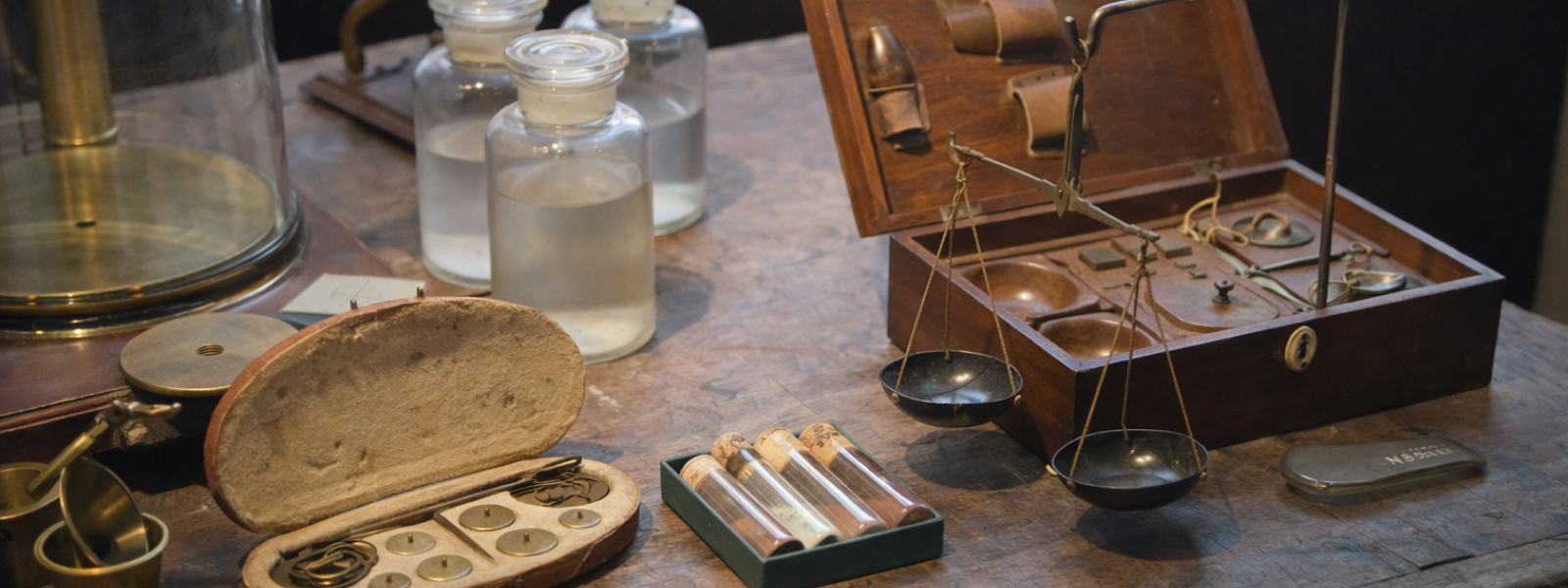
The astronomical part of the exhibition
Here you can see the workplace of an 18th-century astronomer and a extendable telescope that belonged to Lomonosov. Nearby is the famous Gottorp Globe — a huge sphere about three meters in diameter. Inside, you can observe the movement of celestial bodies just as scholars did 300 years ago.
The ethnographic section of the museum
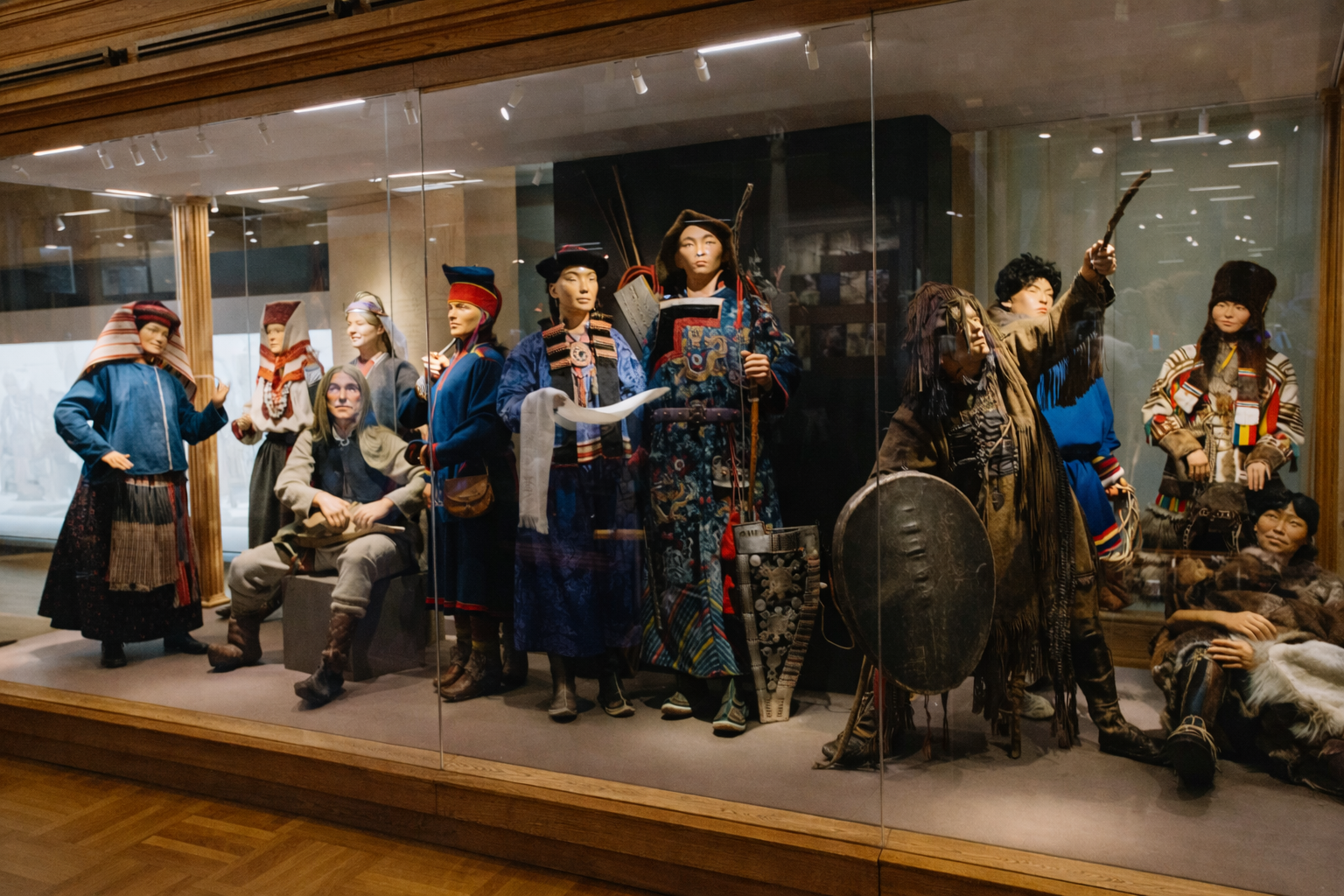
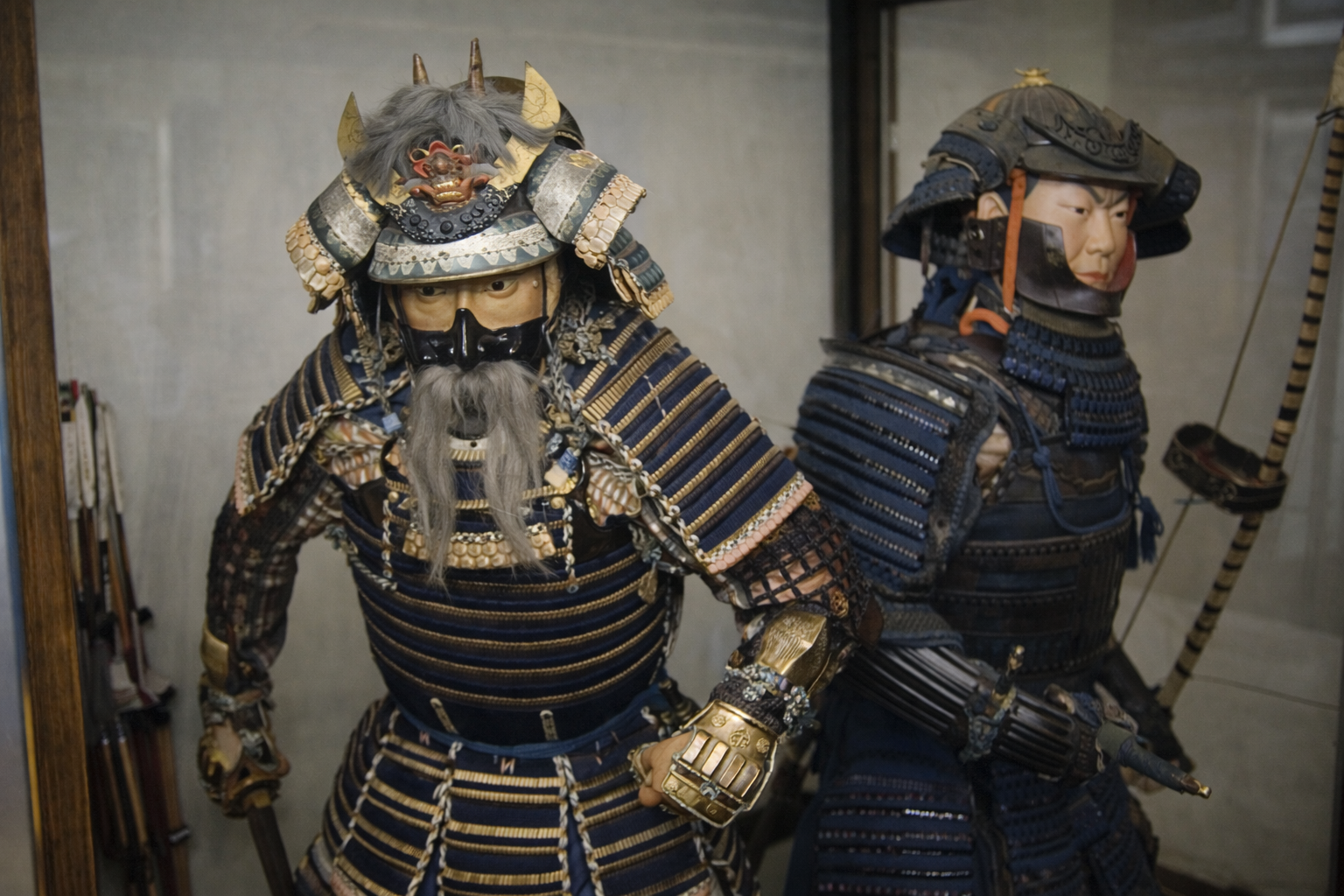
It occupies several floors and introduces the cultures of peoples from all over the world. Here are collected household items, clothing, jewelry, weapons, ritual masks, and totems of the peoples of India, China, Japan, Indonesia, Africa, North and Latin America, Siberia, and the Far East.
The collections were expanded thanks to scientific expeditions equipped by the Academy of Sciences. In the 18th century, researchers brought to St. Petersburg objects that gave an idea of the life of peoples with whom Russia and Europe were only beginning to become acquainted.
Particularly noteworthy are rare items of decorative and applied art: Tlingit Indian helmets, Aleut hats, Hawaiian cloaks made of bird feathers, Benin bronze, and ivory items.
At the Kunstkamera, photography of exhibits without flash, selfies, and close-up viewing of details are allowed.
The anatomical collection of the Kunstkamera: how it was assembled and what is happening with it now
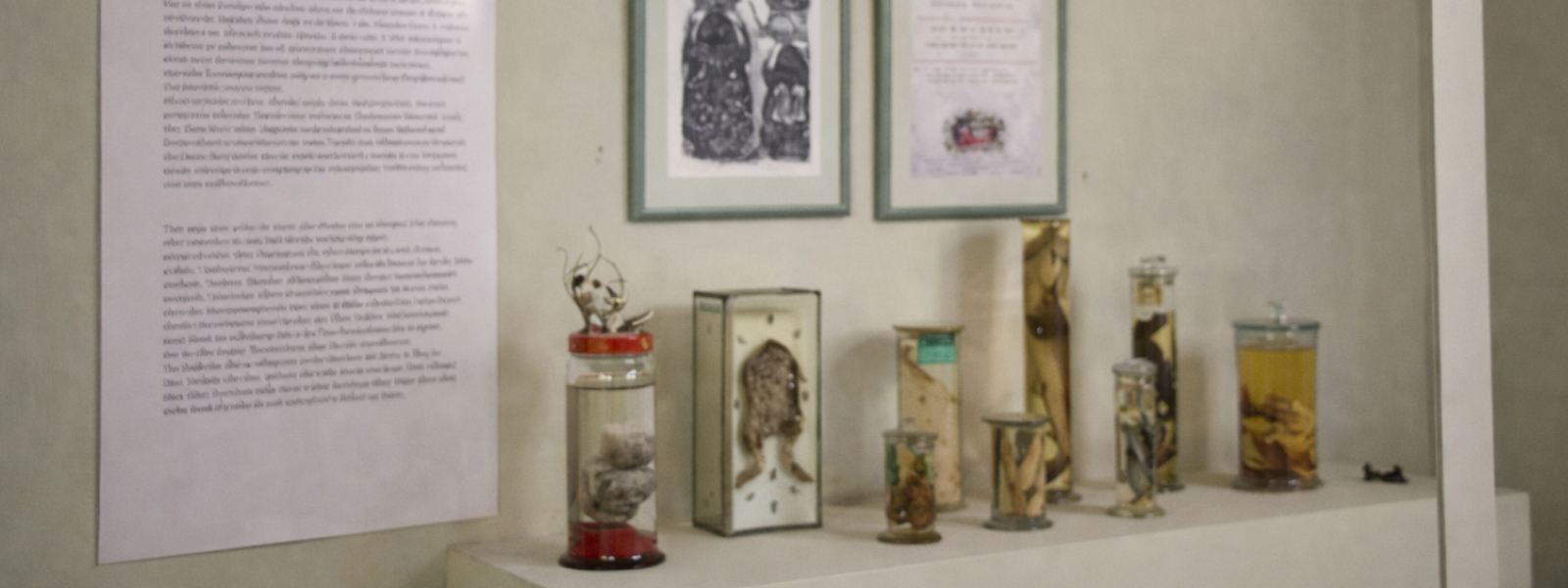
One of the most famous stories was the case of the collection of the Dutch anatomist Frederik Ruysch. His collection — a huge assemblage of anatomical preparations, insects, animal parts, and human tissues, carefully prepared and arranged. Peter I paid 30,000 gold guilders for it, which at the time was an enormous sum.
The story of the purchase turned out almost like trading in works of art. It is said that Ruysch himself considered his collection unique and was not very eager to part with it. But the Russian tsar's interest, promises of scientific development, and the prospect of publishing descriptions convinced him to agree to the deal. The collection arrived in St. Petersburg in 1717.

Even earlier, in 1716, Peter ordered the purchase of the collection of the apothecary and naturalist Albert Seba from Amsterdam. Seba had spent many years collecting specimens from the East and West Indies: these were plants, animals, rare species of insects, and body parts that looked almost like miniature museums in miniature.
Seba personally knew of the Russian tsar's great interest in unusual collections. According to legend, he even specially selected specimens that might interest Peter — and it worked. The collection arrived in St. Petersburg in September 1716.
Today the anatomical part of the Kunstkamera no longer occupies its former place in the exhibition. Most of the historical anatomical preparations are kept in storage and specialized repositories, where the necessary conditions for their preservation are provided. This is due to requirements for microclimate and careful handling of unique exhibits, many of which were created more than three centuries ago. In the updated halls of the Kunstkamera, the emphasis has shifted to ethnography, the history of science and culture, while anatomical specimens are presented selectively.
It is convenient to continue getting to know the city on a sightseeing tour of St. Petersburg. Cathedrals, embankments, the Hermitage and landmark places come together into a complete impression of the city. Such a route helps you see Petersburg more broadly, understand its logic and feel its scale — no longer through a single museum, but through the city itself.
Ready-made tours to St. Petersburg from «Ленинград-Тур»
Choose your travel format
On the «Ленинград-Тур» website you'll find tours to St. Petersburg for 2, 3, 4 and 5 days with accommodation, an excursion program and a guide. We'll help you find a route to match your dates and wishes.
- Programs for first trips and for those returning to St. Petersburg;
- Tours with suburbs, theaters and original routes;
- Options for families, couples, school and corporate groups.
The «Ленинград-Тур» team wishes you genuine enjoyment of St. Petersburg ❤️








