


Writes about St. Petersburg, its history, sights, museums and routes.
Museum guide to art, culture and St. Petersburg of the 18th–19th centuries.
Vyborg: the castle, wars, northern atmosphere and what to see
Vyborg is a city that does not try to please you right away. Here the stones remember sieges, and the air smells of the bay and pine trees. This is a place where the Middle Ages coexist with Finnish modernism, and a walk turns into a little journey through time. If you are looking for what to do in Vyborg, start with the main thing — feel the atmosphere.
Vyborg stands at the crossroads of worlds. It was built and defended by the Swedes, Russia fought for it, it lived for a long time under the influence of Finnish culture, and then survived the wars of the 20th century. Because of this, the city turned out unusual for Russia: here it is easy to imagine how merchants, soldiers and artisans walked these streets, and each century left its mark. Therefore a tour to Vyborg often feels not like a "day trip", but like a real historical adventure.
Vyborg rarely lived "easily". It was besieged again and again, because roads and trade routes passed through it. This is especially evident during the Great Northern War. In 1710, after a heavy siege, the city became part of the Russian Empire. Later, Vyborg found itself at the center of 20th-century events: after 1917 it became part of independent Finland, and then survived the Soviet-Finnish conflict - the Winter War of 1939-1940. The city changed, lost people, was rebuilt and learned to live again.
The most amazing thing about Vyborg is its "layers". Here you can walk a couple of blocks and seem to change eras: from the stern walls of the castle to Finnish modernism, from a narrow cobblestone street to spacious squares, from the noisy center to the water and rocks. Vyborg is not a gentle utopian city; it's about atmosphere - northern, sometimes strict, but very much alive.
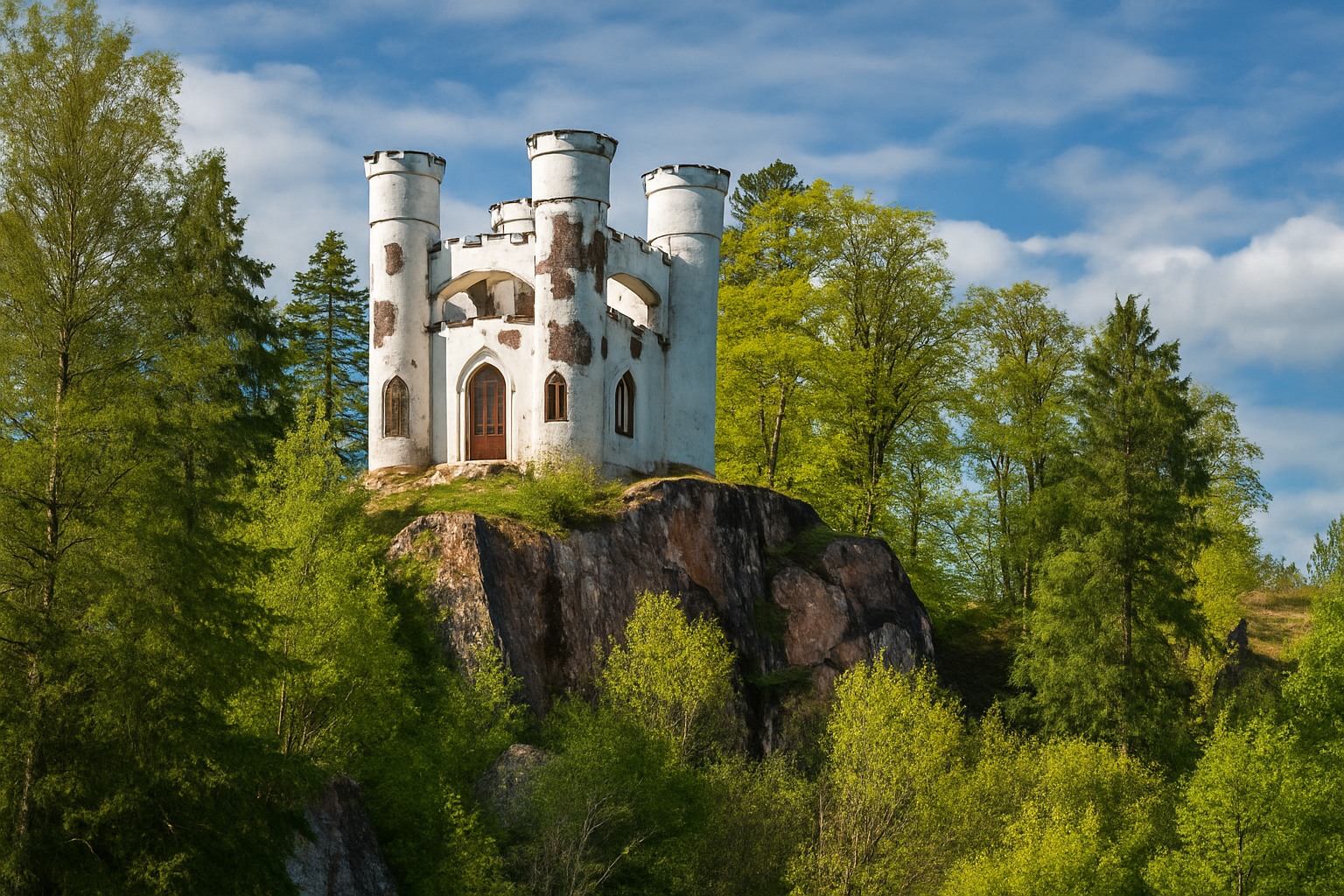
The heart of Vyborg is its castle. This is one of the few cities in Russia where a medieval fortress looks not like a reconstruction, but like a real part of the city. Towers, stone walls, views of the water - everything reminds you that Vyborg was built as a stronghold that had to withstand. Even on a calm day, you can feel the character here: sturdy, composed, northern.
The Old Town around the castle is a story of its own. Narrow streets, changes in elevation, stone masonry, inner courtyards create the feeling of a European city. And this is not a "resemblance", but a real historical logic: Vyborg lived for many centuries in a different architectural tradition. That's why the question "what to do in Vyborg" often answers itself - just go where the streets lead, and you'll find your own path.
During the Finnish period, Vyborg acquired especially interesting features: strict forms, unshakable buildings, a symmetrical urban environment. This is visible in individual houses and entire blocks. Then came the wars, part of the city was destroyed, much changed, but the overall character survived. And today this mixture of eras makes Vyborg so photogenic and "cinematic" - as if it's constantly ready to become a set for a historical film.
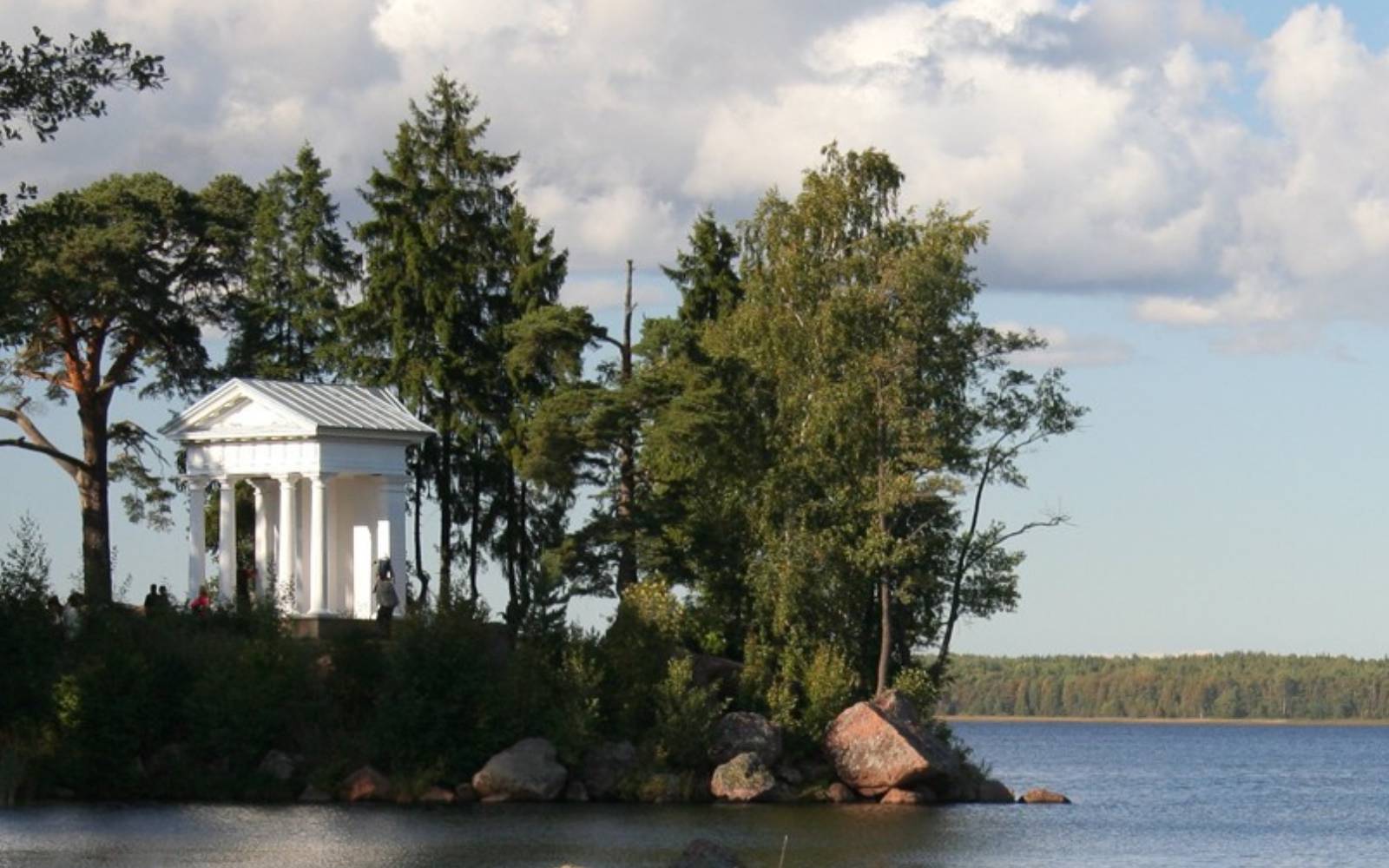
Many include Monrepos Park in their trip. And that makes sense: it enhances the impression of Vyborg. If in the city you feel the history of walls and wars, then in Monrepos you feel the history of silence. Rocks, paths, water and light create a different state: slowing down, observation, calm. That's why a trip "to Vyborg" often seems incomplete without this walk.
From a traveler's point of view, Vyborg is good because it offers different scenarios: you can come for the medieval atmosphere, for architecture, for nature, for photographs, for the history of wars, or for the feeling of Europe not far from St. Petersburg. And everywhere it will be honest - without excessive pathos, but with a strong character.
The best time to visit is late spring, summer and early autumn. In these seasons the city is especially alive: long days, warm water, soft light that makes the stone beautiful and "three-dimensional". But even in winter Vyborg can impress: snow, wind, silence, the castle against a gray sky - this is a different, more "severe" aesthetic.
In Vyborg, tourists and guests usually see:
- Vyborg Castle and the views from its platforms;
- the old town - streets, courtyards, cobblestone paving;
- architecture of different eras - from medieval motifs to Finnish Art Nouveau;
- embankments and panoramas of Vyborg Bay;
- Monrepos Park, if you want nature and silence.
Vyborg is especially suitable for those who appreciate:
- history and atmospheric cities;
- unhurried walks and beautiful views;
- photography and cinematic locations;
- romantic routes and a "northern mood";
- tours with lively storytelling, not dry dates.
Walks and Tours
Vyborg is easy to explore both on your own and with a guide. A tour helps connect the key places into a single story: why the city was built exactly here, why it was captured, how the architecture changed, and what Vyborg lives on today. As a result, the walk becomes a complete experience.
- Routes through the old town and the castle;
- tours about wars, sieges, and changing eras;
- walks with a trip to Monrepos Park and to natural viewpoints.

Tour to Vyborg and Monrepos Park
Tour to Vyborg and Monrepos Park →Vyborg is a city that captivates not with loudness, but with depth. It's better not to "see" it, but to live it ❤️
If you're planning a trip, plan your time so you don't have to rush. Vyborg loves a slow pace. Usually it's a leisurely stroll through the old streets and the view of the bay that become what people remember longest. And then a simple thought appears: "I'll come back here again."








