


Writes about St. Petersburg, its history, sights, museums and routes.

Historian and guide in St. Petersburg, Peterhof, Tsarskoye Selo and Vyborg.
The State Hermitage is a colossal museum complex that unites the history of the Russian Empire and the cultural experience of all humanity. It houses about 3 million exhibits representing the development of human genius from the Stone Age to the current century. The route through the museum's 365 halls is about 25 kilometers, every meter of which is filled with light, the gleam of gold and the aroma of antiquity
History of creation: From a private collection to a public museum
The history of this collection began in 1764, when Empress Catherine II purchased from the Berlin merchant J. E. Gotzkowsky a group of 317 valuable paintings. Initially the collection was housed in secluded apartments, which the empress called by the French word ermitage — "a place of solitude." Catherine II was passionately fond of collecting, acquiring entire collections and libraries of great philosophers such as Voltaire and Diderot. By the end of her reign, the inventory already listed almost 4,000 canvases.
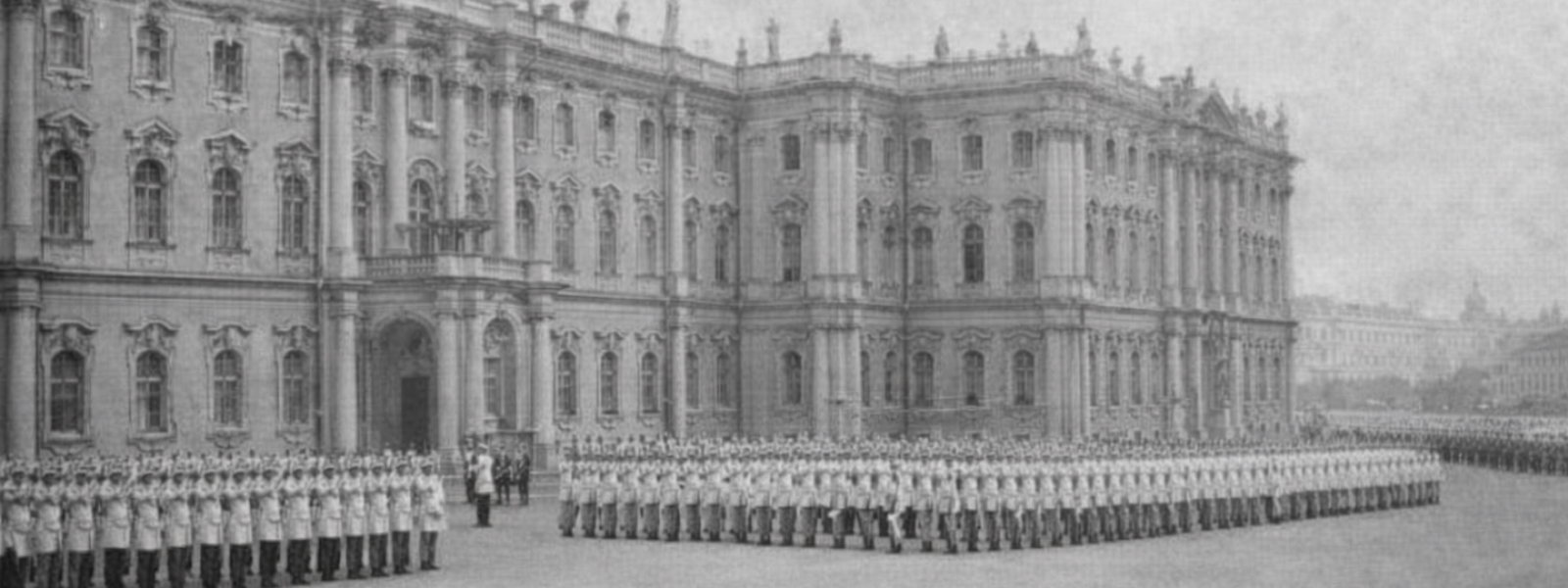
Throughout the 19th century the museum continued to grow. In 1852, under Emperor Nicholas I, the Hermitage officially opened its doors to the general public. A building of the New Hermitage was specially erected for this, becoming the first structure in Russia designed specifically as a public museum.
Five historical buildings on the Neva embankment
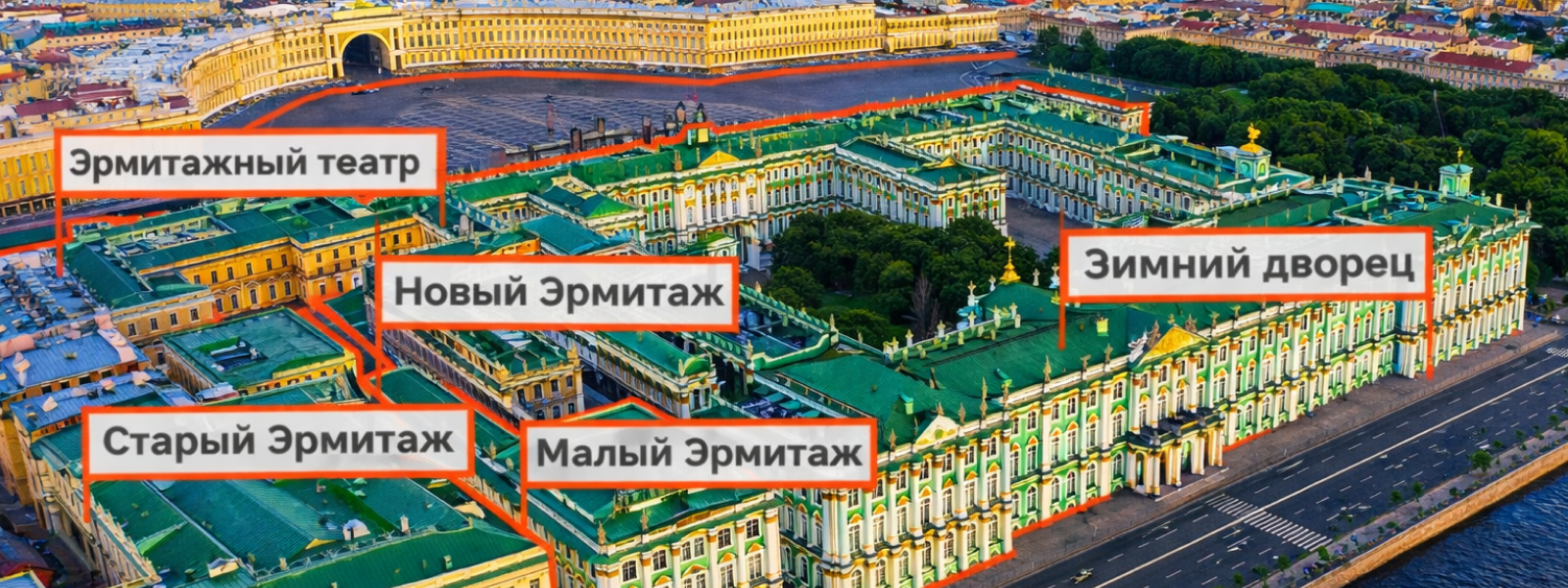
The ensemble of the Main Museum Complex includes five buildings connected to each other by passages:
-
The Winter Palace (1754–1762): A grandiose Baroque residence created by the architect Francesco Bartolomeo Rastrelli.
The master used rich decor, cascades of gilded patterns and double rows of windows, creating the effect of an endless celebration and unlimited space. His father, Carlo Bartolomeo Rastrelli, also left his mark on the museum's history by creating a sculptural portrait of Anna Ioannovna with a little blackamoor. - The Small Hermitage (1764–1775): A building constructed by Jean-Baptiste Vallin de la Mothe and Yuri Felten, which became the repository of the first collections.
-
The Old (Large) Hermitage (1771–1787): Built by Yuri Felten specifically to expand the exhibition and house the library.
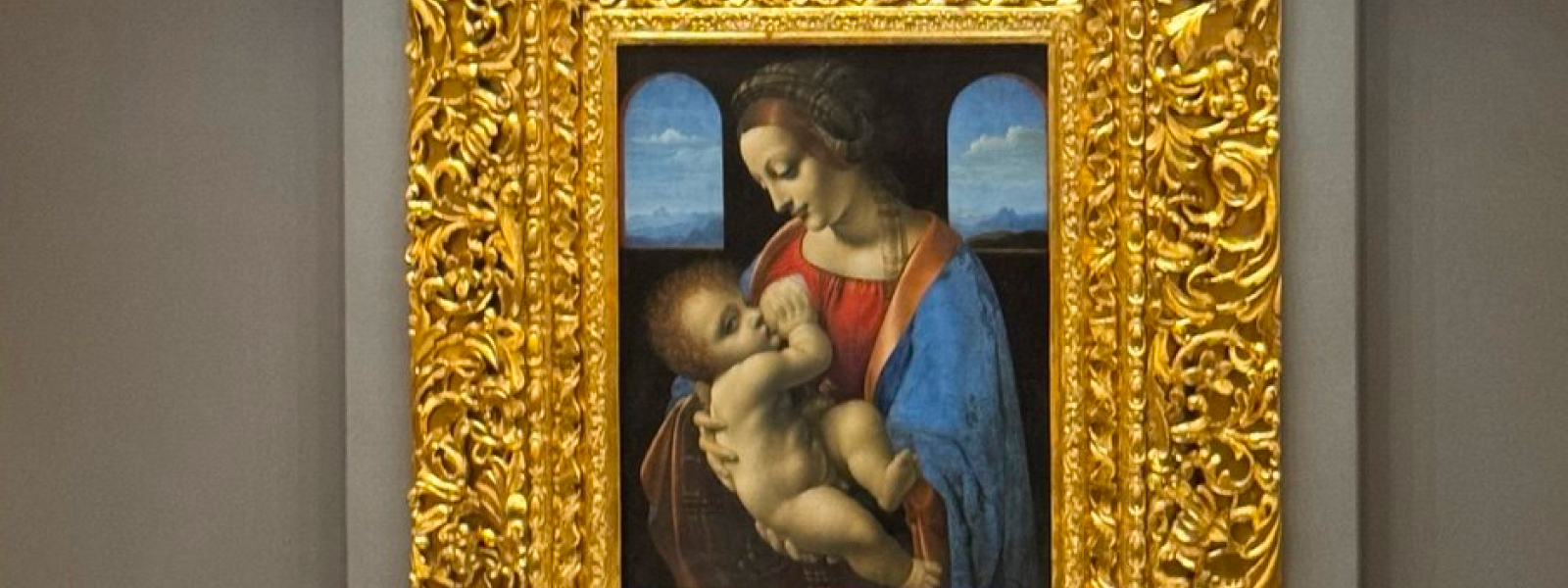
It is here, in the halls with festive decoration, that the 'diamonds' of world painting are exhibited today — Leonardo da Vinci's 'Madonna Litta' and 'Madonna Benois' -
The Hermitage Theatre (1783–1787): A classical building by architect Giacomo Quarenghi, erected on the site of Peter I's former Winter Palace.
The building is connected to the main museum complex by a picturesque arched bridge over the Winter Canal. Inside this passage is the theatre foyer. - The New Hermitage (1842–1851): The first building in Russia designed specifically as a public museum, based on a design by Leo von Klenze.
Architectural features and interesting facts
The architecture of the Hermitage is itself an exhibit. Each hall of the museum is a complete work of art, created by outstanding masters of their time.
Structural secrets of the Winter Palace
The Winter Palace was built by Rastrelli according to an original 'snowman principle'. The lower floor of the building is the most massive and heavy, the middle floor maintains its height with thinner walls, and the upper row with small windows looks as light as possible. This solution gives the facade visual stability and elegance.
The colour palette of the facades and state rooms
The modern emerald-blue colour of the facades appeared only in 1947. Initially Rastrelli conceived the building as light yellow, under Nicholas II it had a brick tint, and during the war years the walls were painted in a protective grey colour.
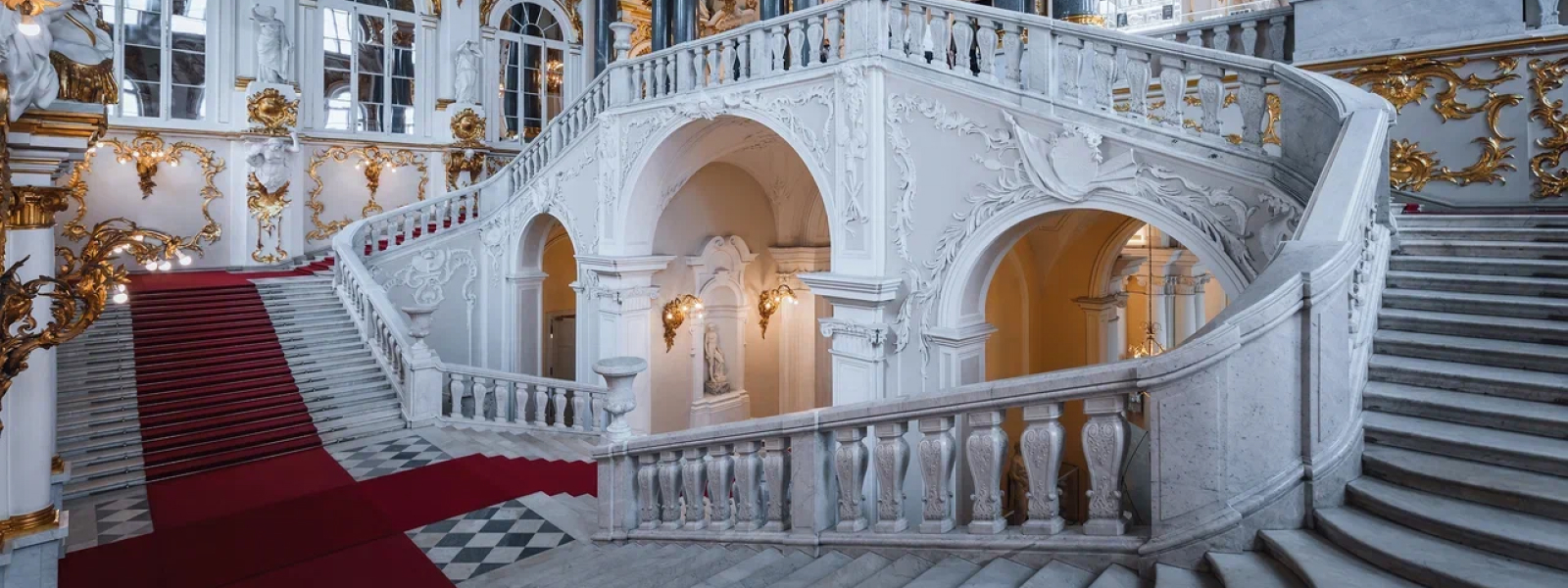
The most precious materials were used to decorate the state rooms. For example, 7 kilograms of the precious metal were spent on gilding the columns of the Armorial Hall. In the decoration of the Jordan Staircase white Carrara marble was used, and its ceiling is adorned with a ceiling painting covering more than 170 square metres.
It received its modern name thanks to a church tradition: every year on the feast of Epiphany, the imperial family descended its wide steps to the Neva, where opposite the entrance a 'Jordan' was constructed — a special ice hole for the blessing of water.
In the 18th century the staircase was more often called the Ambassadorial Staircase, for it was along it that foreign diplomats ascended to the state rooms, instantly passing from the semi-darkness of the lower vaults into a space flooded with light, dazzling with the brilliance of gold and mirrors.
Permanent exhibitions: Masterpieces of world significance
The museum is divided into thematic departments representing the art of different countries and eras. A walk through the halls allows you to see the development of world culture in chronological order.
The tour of the museum traditionally begins with the Jordan Staircase, also known as the Ambassadorial Staircase. The visitor is greeted by the coolness of white Carrara marble and the radiance of huge mirrors. Sunlight freely penetrates through the tall windows, making the gilded ornaments and ceiling paintings flash, where Olympic gods soar in the clouds.
For lovers of solemnity, the Armorial Hall is open, on the gilding of whose columns seven kilograms of precious metal were spent. Massive chandeliers are decorated with coats of arms of Russian provinces, emphasizing the scale of the empire.
Malachite and Alexander Halls
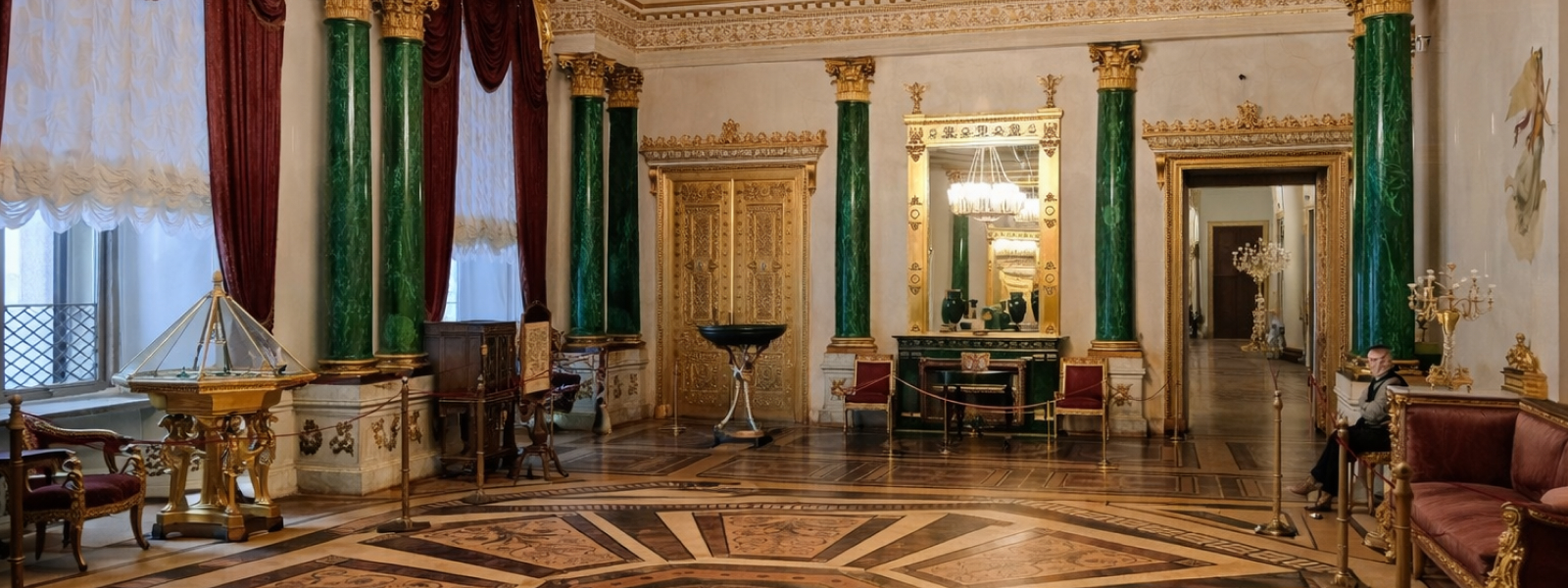
The Malachite Hall consists of a contrast between the deep green color of Ural stone and bright gilding. More than two tons of malachite were used for the decoration of columns and fireplaces. Mirrors installed opposite each other create the effect of endless corridors, visually expanding the space.
The Alexander Hall, dedicated to the memory of Alexander I, is designed in white and blue tones. Its fan vaults and thin columns resemble Gothic architecture.

Art of Italy and the Renaissance
The halls of Italian painting in the Old Hermitage keep unique canvases.
Leonardo da Vinci: Represented by the masterpieces "Madonna Benois" and "Madonna Litta". These are the only original works of the master in Russia.
Raphael Santi: The collection includes "Madonna Conestabile", as well as the famous Raphael Loggias — an exact copy of the Vatican gallery with 52 biblical scenes.
Michelangelo: The only sculpture of the genius in Russia — "Crouching Boy".
Titian: The great Venetian is represented by the canvases "Danaë", "The Penitent Magdalene" and "Saint Sebastian". The Golden Age of Dutch and Flemish painting. The collection of Dutch and Flemish works is one of the largest in the world.
Rembrandt: The museum possesses a rich collection, the pinnacle of which is "The Return of the Prodigal Son". Also here is the famous "Danaë", restored after the attack in 1985.
Rubens: Represented by 22 paintings and 19 sketches, among which are "Perseus and Andromeda" and "The Descent from the Cross".
Hermitage masterpieces and mechanisms
The Peacock Clock: A unique mechanical exhibit of the 18th century by James Cox. Every Friday this complex mechanism comes to life: the figures of the peacock, rooster and owl begin to move, accompanying the passage of time with mechanical sounds. The floor of the hall is decorated with an exquisite copy of an ancient Roman mosaic, and crystal chandeliers fill the space with a play of reflections.

The Kolyvan Vase: The "Queen of Vases", weighing 19 tons, carved from a single monolith of Altai jasper, is installed in the New Hermitage. Its creation took more than twenty years.
The General Staff Building
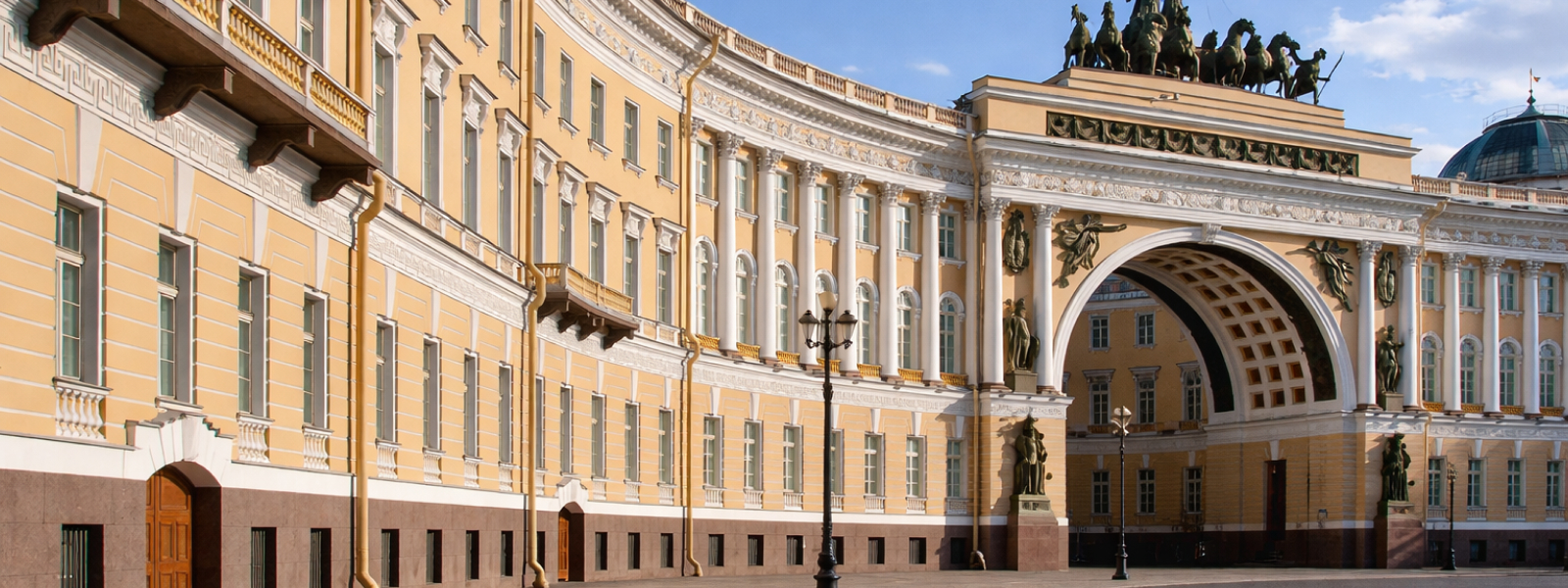
The eastern wing of the General Staff building, created by Carlo Rossi, became part of the museum in 2014. This modern space is intended for exhibiting art of the 19th–21st centuries.
Here are displayed world treasures from the collections of S. Shchukin and I. Morozov.
- Works by Claude Monet, Auguste Renoir and Paul Cézanne.
- Canvases by Vincent van Gogh ("The Bush", "The Huts") and Paul Gauguin.
- Extensive collections of Henri Matisse and Pablo Picasso.
- The General Staff also houses halls dedicated to the history of the ministries of the Russian Empire, and an exhibition of Fabergé items.
Halls of the Ancient World and Egypt
On the ground floor of the New Hermitage and the Winter Palace are exhibitions of ancient civilizations.
The collection of Roman sculpture in the halls of Dionysus, Jupiter and Hercules includes copies of Greek masterpieces, for example the "Tauride Venus".
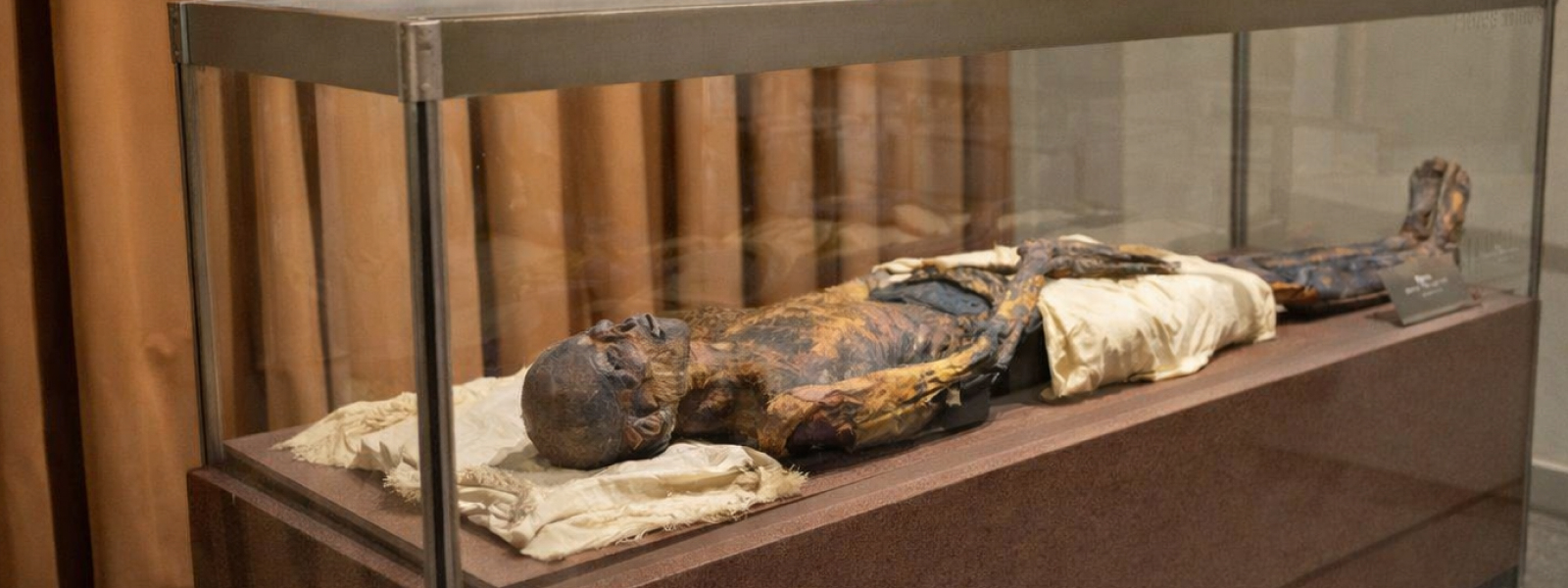
In the Egyptian hall one can see authentic sarcophagi and the famous mummy of the priest Pa-di-ist, which is over 2500 years old
The Hermitage cats
They are a living legend and an integral part of palace life, evoking in museum guests the same sincere delight as Rembrandt's masterpieces. These graceful guardians are often called the "soul of Petersburg", for their official service in the imperial residence has lasted for more than 200 centuries.
The history of the fluffy guard is filled with monarchical care and amazing facts:
- The founder of the dynasty is considered to be the cat Vasily, whom Peter I personally brought from Holland and settled in the wooden Winter Palace.
- Empress Elizabeth Petrovna, wishing to rid the chambers of rodents, issued a "Decree on the Exile of Cats to the Court". From Kazan, 30 of the best representatives of the breed were delivered, and they were accepted into the Life Guard service with a salary paid in hazel grouse and black grouse.
- Catherine the Great, although she preferred dogs, kept cats in the palace and granted them the honorary title of "guardians of the picture galleries". The animals were divided into "room" and "yard" cats so that they would protect both the private chambers and the priceless canvases.
- Currently, about 50 qualified specialists work on the museum's staff. Each "Hermitage cat" — as St. Petersburg residents affectionately call the cats — has its own passport, veterinary record, and the official position of specialist in cleaning the museum basements.
The life of the modern guardians is organized with truly palatial comfort:
- The cats move freely through the "great cat basement" — a network of tunnels almost 20 kilometers long, where it is always dry, warm, and clean. Each employee has a personal bowl, litter box, and soft sleeping basket.
- Tradition dictates naming the cats after great artists and their muses. During a walk, you may meet the ginger "impressionist" Van Gogh, the portly Cézanne, or the graceful Gauguin.
- Every spring, the museum celebrates "Hermitage Cat Day". On these days, basements and attics are opened, exhibitions and competitions are held, and the furry heroes of the day come out to the public to receive their share of admiration.
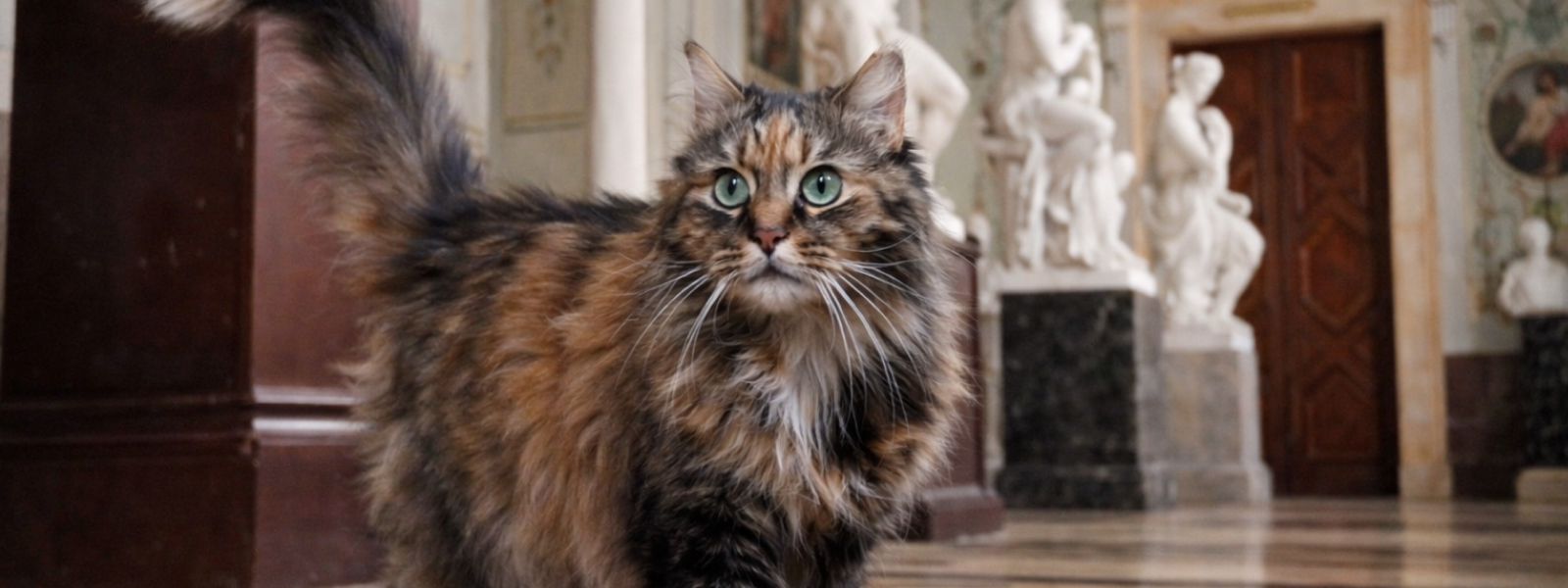
In the warm season, cats often sunbathe on the lawns and in the courtyards of the Winter Palace, allowing visitors to touch this living page of history. A visit to the Hermitage is a rare chance to see the "invisible guard" that has protected the heart of St. Petersburg for centuries, remaining a symbol of devotion and domestic warmth within the walls of the great museum
The Hermitage — the calling card of St. Petersburg
The Hermitage holds in one place what many people come to St. Petersburg for at all: imperial architecture, ceremonial interiors, the history of collecting, and living world culture in original works. What matters here is even that you are not walking "through an exhibition", but through a building that was itself part of the country's history.
The Hermitage fits conveniently into a sightseeing route through the center: first you see Petersburg as a city — avenues, squares, embankments, the silhouettes of cathedrals — and then you go inside its main museum space. The program includes the Church of the Savior on Spilled Blood, St. Isaac's Square, panoramas of the Neva, the Peter and Paul Fortress, Nevsky Prospect, and the final point is a visit to the Hermitage with the ceremonial halls of the Winter Palace and key collections. This format helps you assemble the city's "framework" in one day and reinforce the impression inside the museum.

Tours including a visit to the Hermitage
Choose a tour of the Hermitage →








