


Writes about St. Petersburg, its history, sights, museums and routes.

A guide to the history and architecture of Petersburg and its imperial suburbs.
St. Petersburg is filled with wonderful stories, among which a special place is occupied by the warm legend of the furry staff of the country's main museum.
Hermitage cats are official employees protecting cultural heritage in the basements of the Winter Palace. Museum director Mikhail Piotrovsky considers them an important part of museum life, evoking the same delight in visitors as the masterpieces of great artists.
The history of the Hermitage cats
An ancient account says that the first cat named Vasily was brought from Holland by Peter I himself. The tsar settled him in the wooden palace, issuing a decree on the constant presence of cats at the granaries to frighten off rodents.
The successor of this good deed was Empress Elizabeth Petrovna. In 1745, she signed the "Decree on the Expulsion of Cats to the Court," ordering thirty of the largest and most capable hunters to be delivered from Kazan. The Kazan cats quickly settled into their new quarters, successfully fulfilling their task.
Catherine the Great, although not a cat lover, appreciated their faithful service and granted them the status of "guardians of picture galleries." It was she who divided them into two classes:
- Indoor – elite cats (mostly Russian Blues), which were allowed to roam the state halls and even the chambers of monarchs.
- Courtyard – fighters of the "invisible front" who lived in basements and protected the collections from rats.
The royal hunters were fed like kings: the daily menu included hazel grouse and black grouse.
A feat during the war: how cats saved Leningrad
The most tragic page was the siege. During the famine years, no cats remained in the city, which is why Leningrad was overrun by hordes of rats threatening to destroy the priceless museum exhibits. The rodents were so aggressive that they even attacked people and stopped tram traffic.
Immediately after the siege was broken in 1943, four train cars of cats arrived from Yaroslavl, and later about 5,000 more animals were delivered from Tyumen and Siberia. Part of this "landing force" (about 200–500 individuals) was sent to the Hermitage. Soon the rats were defeated. It is believed that modern St. Petersburg cats are descendants of those very Siberian and Yaroslavl saviors. In honor of these events, monuments to the cat Yelisey and the cat Vasilisa were installed on Malaya Sadovaya Street.
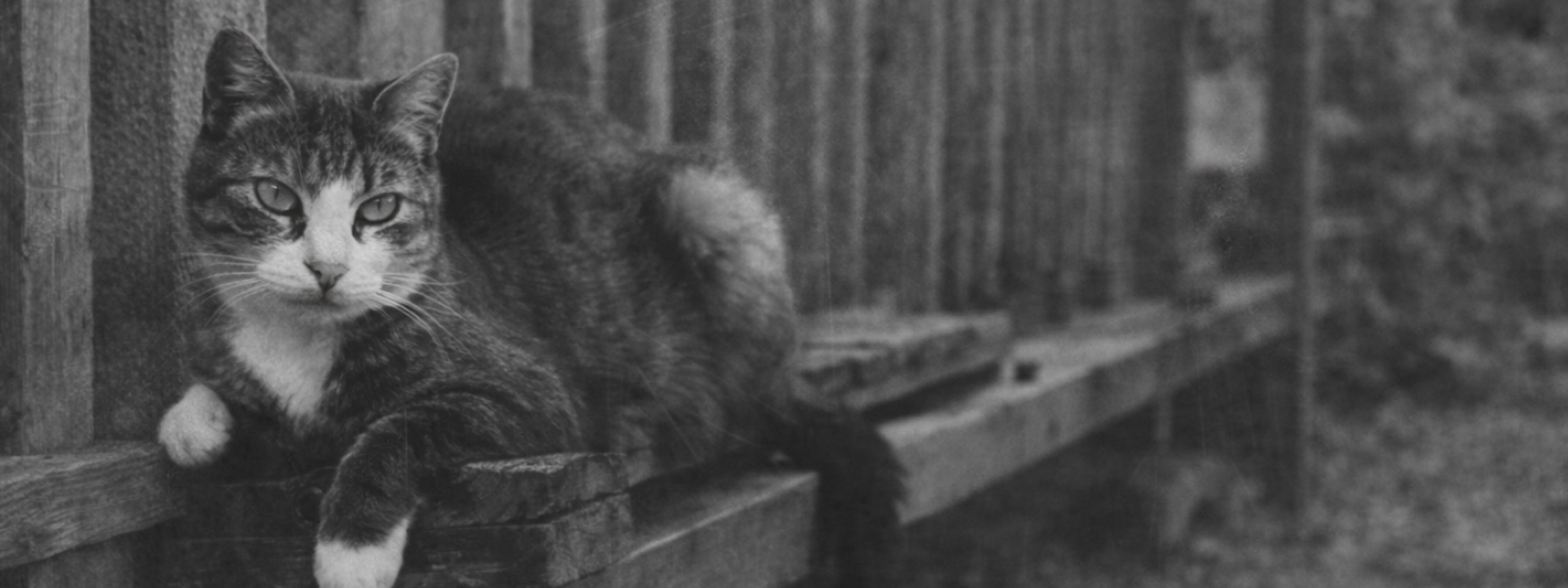
Famous Hermitage cats and their stories
Each Hermitage cat has a unique character and a detailed biography recorded in the Registry Book:
- Yelisey (Special Agent): This cat became famous for apprehending a criminal. During a tour of the basement, Yelisey suddenly showed aggression toward a man, digging his claws into him. It turned out the man had stolen a mobile phone from a girl. After security intervened, the thief was caught, and Yelisey was rewarded with fresh fish. He usually prefers to watch guests from the height of the pipes.
- Traveler Masha: She made a long journey from Moscow. The family was taking her on vacation, and the cat ran away from the train station. Six months later, Hermitage staff found her at the museum entrance. Her owners identified her by an online ad. Masha stayed in the Winter Palace, choosing to serve art.
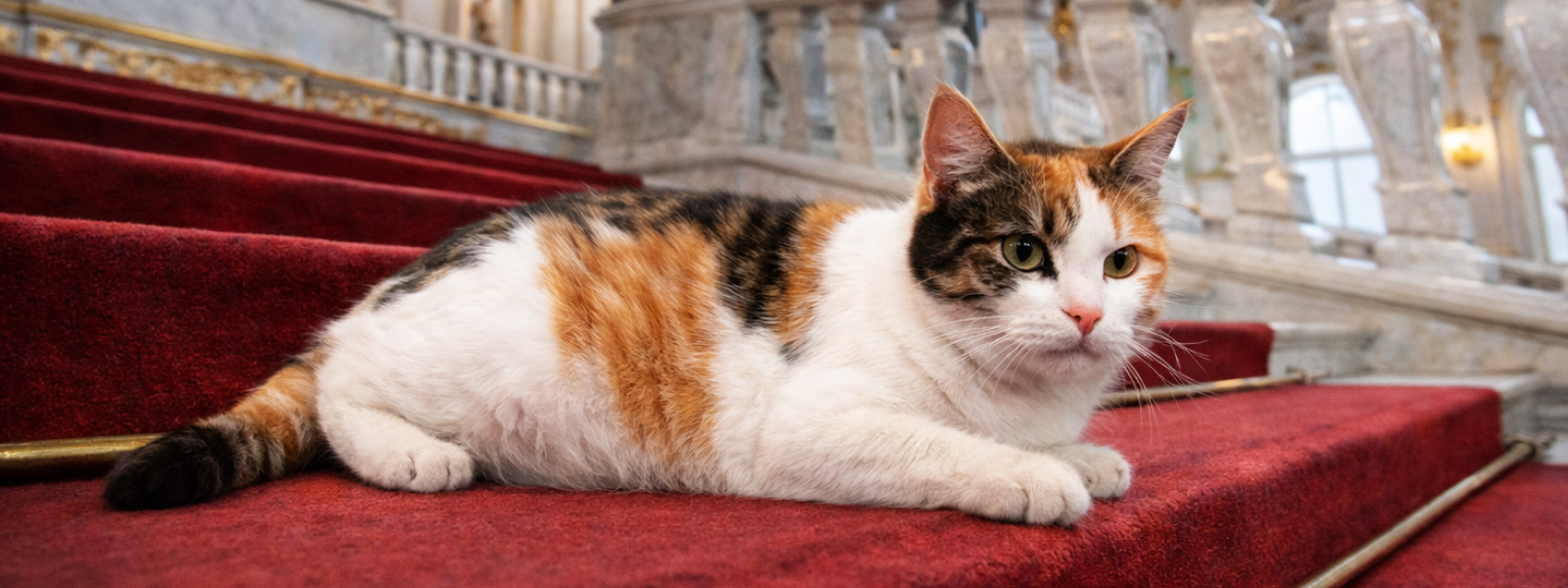
- Lothario Tikhon (Tisha): A large tabby cat living at the basement entrance. He misbehaves by deftly snatching hats off passersby with his claws. Tisha shows tender feelings toward the entire female half of the cat colony.
- Marta: She was rescued from a transformer box in critical condition with damaged paws. Museum staff nursed the cat back to health despite the doctors' poor prognosis. Now Marta lives a full life, following a special diet.
- Kotinichka: A venerable pensioner, a descendant of those very saviors of the city. She is over fifteen years old. The cat always has her tongue sticking out due to missing teeth. On Kotinichka's back, a butterfly-shaped mark is visible, considered a symbol of good luck.
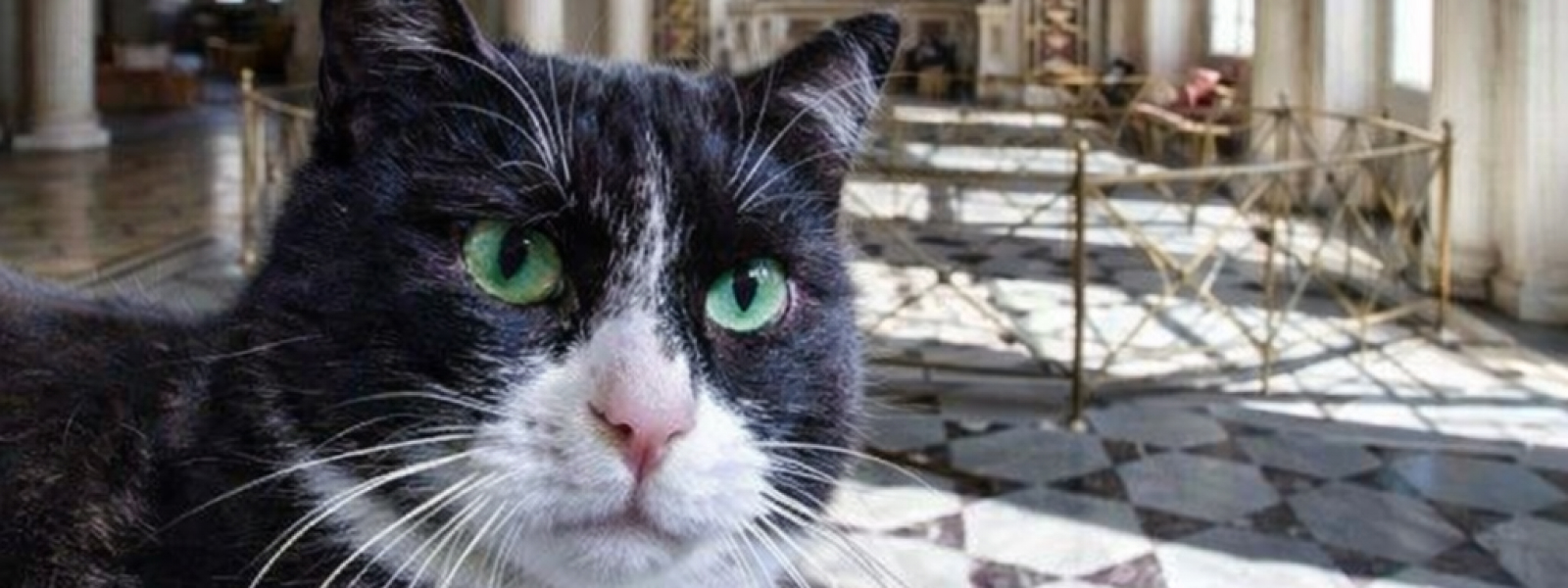
- Mufta: A very fluffy ginger cat who was mistaken for pregnant when she was taken in. She loves eavesdropping on people's conversations on the service staircases.
- Vandeik: Got his name after getting stuck in the ventilation of the Anthony van Dyck hall.
- Achilles: A snow-white cat with congenital deafness who predicts the outcomes of football matches.

The life of modern "Hermitage cats"
About 50–60 cats work at the Hermitage — this limit was set by the museum's management. They are affectionately called "ermiki".
Terms of service
- Each cat has a passport with a photo, a veterinary record, and the official status of a specialist in clearing premises of rodents.
- The animals live in the "Big Cat Basement," which stretches for about 20 km. It is always dry and warm there, and each has its own bowl, litter box, and personal sleeping basket.
- The museum's budget has no line item for cat upkeep. Food and medicine are bought with donations from staff, visitors, and sponsors. The animals even have their own charity account.
- The cats are allowed to roam the courtyards and basements, but entry to the exhibition halls is strictly closed to them (although sly "special agents" sometimes break this rule).
Interesting facts and cultural influence
- Special "Caution, cats!" signs have been installed in the Hermitage courtyards so that drivers are careful around the furry employees.
- Every year in spring (usually in May), "Hermitage Cat Day" is celebrated. On this day, visitors are allowed into the holy of holies — the cat basements.
- The British publication The Telegraph included the Hermitage cats in its list of sights that must be seen. Films are made about them, books are written, and musicals are created.
- In 2020, a French citizen bequeathed part of his fortune (about 3,000 euros) to the Hermitage cats.

How to take a cat home?
The Hermitage regularly holds events to rehome the animals "into good hands," since the number of places in the basements is limited. Becoming the owner of a Hermitage cat is a great honor.
Potential owners undergo a strict interview, and their details are registered. Preference is given to responsible families with their own housing. The lucky person who takes a cat receives a special certificate granting the right to lifetime free admission to the Hermitage exhibition halls.
Private tour with an art historian (guide) of the Hermitage
The tour is led by a certified art historian. Instead of a standard route, it is a conversation about art, interiors, and the history of the palace, adapted to your interests. You can focus on the state rooms of the Winter Palace, paintings by Leonardo da Vinci and Rembrandt, the mechanics of the Peacock Clock, or the history of the museum itself as an imperial residence.
The format is suitable for a couple, a family, or a small group.

Private Hermitage tour with an art historian
Go to the tour →








