


Author of materials about St. Petersburg, travel, excursions, and city routes.

Historian and guide, specializing in St. Petersburg, Pavlovsk, and Tsarskoye Selo.
The Hermitage has seen not only imperial balls and lavish receptions… Today it is one of the most visited museums in the world; during the siege it became a true "Noah's Ark," where people did the impossible to save priceless paintings and preserve them for future generations.
Where were the paintings taken?
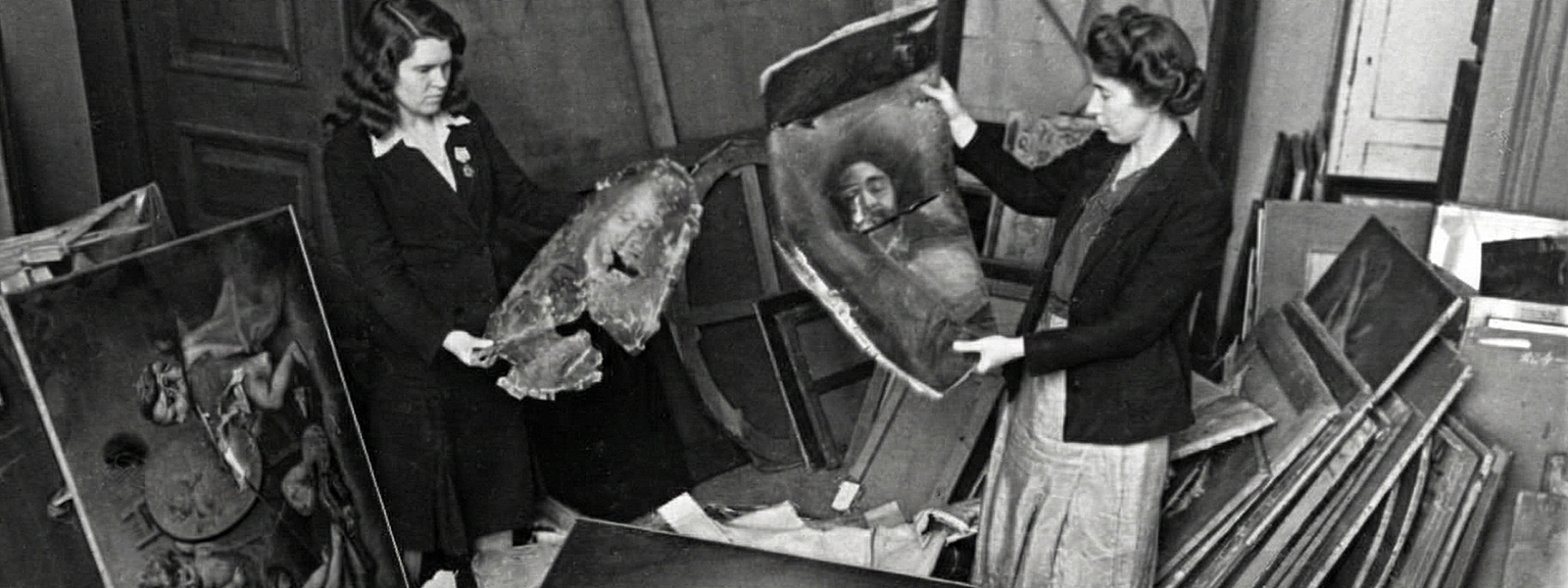
You won't believe it, but preparations for war at the museum began three years before it started – in 1938. The museum director, Iosif Orbeli, a man of iron discipline, personally made sure that an individual crate was created for each masterpiece.
When it all began, the staff worked around the clock: paintings by Leonardo da Vinci and Raphael were taken out of their frames, padded with soft paper rollers and packed as carefully as the most precious treasure. In just a week the first train was assembled – 22 cars. Some of the exhibits were sent to Sverdlovsk and kept in the Ipatiev House.
In the museum itself, empty frames were left hanging on the walls. And do you know why? So that after the war each painting would know its place.
A boarding school within the museum walls
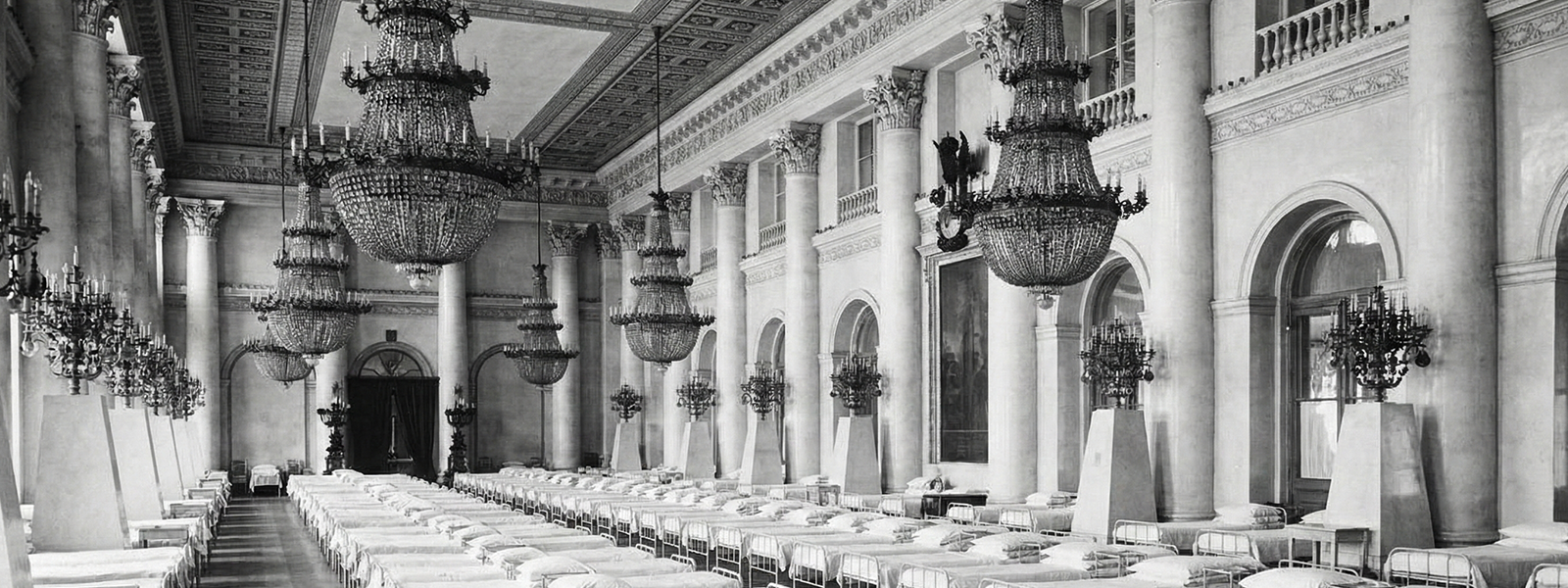
It's hard to believe, but in the besieged Hermitage they continued to care for children. Even before the war the museum had its own kindergarten, and during the siege a boarding school was created on its basis. It was headed by Lyubov Antonova, who became a true mother to 146 children aged 2 to 15. The children were evacuated to the Yaroslavl region and then to the Urals. Lyubov Vladimirovna saved almost all of them, though the journey was inhumanly hard.
"Feast" in the basements: the hospital menu
For the completely weakened staff, in January 1942 a hospital with 100 beds was organized right in the basements. And although terrible famine reigned in the city, the menu there seemed simply royal for those times. Imagine, for breakfast they gave two glasses of cocoa, sugar and even an egg! And for lunch they served broth with meatballs and rice casserole. This saved the lives of more than 300 Hermitage employees.
A vegetable garden in the Hanging Garden
The Hanging Garden was always an adornment of the Hermitage; today tulips are grown there. In the spring of 1942, it was not rare flowers that bloomed there, but… carrots and potatoes. Employees were issued special "gardener's tickets" so they could receive seeds. They grew everything: cabbage, beets, turnips, and even potatoes. This harvest became a real salvation for those who could barely stand on their feet.
The Hermitage after the siege
As soon as the blockade was broken, work immediately began to boil at the Hermitage. Imagine the scale: more than 20,000 square meters of glass had been knocked out of the windows. All of it had to be glazed, the rotted floors repaired, and the holes from 30 shells and aerial bombs patched.
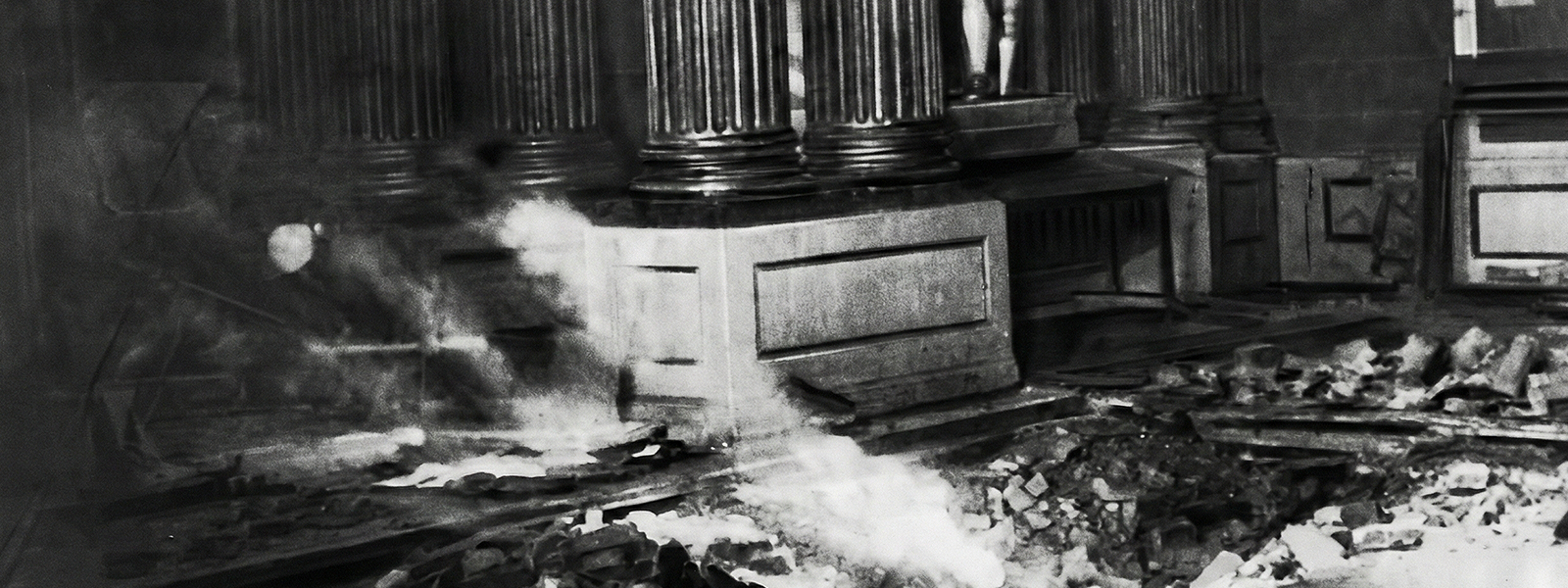
Already in the summer of 1944, the first exhibition opened in the cold, still unheated museum. In November 1945, all the treasures returned home from Sverdlovsk. The only thing that was never found was Van Dyck's masterpiece "Saint Sebastian," which mysteriously disappeared during the commotion of packing the paintings…
The Hermitage: answering your questions
-
Where is the Hermitage located?
The State Hermitage is located at 2 Palace Square, along the Neva embankment, in the very historical center of the city. -
What to see at the Hermitage?
At the Hermitage, you should see the Winter Palace, the halls of the Large, Small, and New Hermitage, the Peacock Clock, the Leonardo da Vinci Hall with the Benois Madonna and the Litta Madonna, the Titian Hall, the Jordan Staircase, and the main collections of ancient, Italian, and Western European art. -
Hermitage opening hours
The Hermitage is usually open from Tuesday to Sunday; Monday is a day off. Wednesday, Thursday, Sunday – from 11:00 to 18:00; Tuesday, Friday, Saturday – from 11:00 to 20:00. -
Who was the architect of the Hermitage?
The Hermitage is an ensemble of buildings worked on by different architects: the Winter Palace was built by Bartolomeo Rastrelli, the Large Hermitage by Yuri Felten, the New Hermitage by Leo von Klenze, and the Small Hermitage by Jean-Baptiste Vallin de la Mothe and Yuri Felten.
Tour of the Hermitage
The Hermitage is a true treasury that has preserved the personal collections of Catherine II herself and many other exhibits and paintings thanks to the labor of people, their fearlessness and courage. To see with your own eyes the masterpieces of world art and the remaining traces of enemy shells, which have become eternal witnesses to the feat of the museum staff, we invite you on a tour from Leningrad Tour.
In addition to the Hermitage, the program includes visits to the Church of the Savior on Spilled Blood, the cruiser Aurora, the Peter and Paul Fortress, and St. Isaac's Square. You don't need to worry about extra expenses, as entrance tickets to the Hermitage are already included in the cost of the trip.

Tour of the Hermitage
Go to the tour →








