St. Isaac's Cathedral - the beginning. The history of the creation of St. Isaac's Cathedral.

Исаакиевский собор - начало. История создания  Исаакиевского сабора.

St. Isaac's Cathedral — the greatest structure of the 19th century

St. Isaac's Cathedral is the greatest structure of the 19th century, created by Auguste Montferrand over 40 years. For nearly two centuries, his creation has captivated guests and residents of St. Petersburg. Once a cathedral, then a museum of religion and atheism since 1930, surviving the blockade and becoming a support for the city's residents, today it again combines the status of a cathedral and a museum. It is one of the main attractions of St. Petersburg. But behind this story lies much more.

Auguste Montferrand — the man behind the cathedral

Montferrand himself was not just a French architect, but a retired military officer awarded France's highest honor — the Legion of Honor. He admired Napoleon's personality, kept his bust on his desk, but understood that the times demanded moving forward. Without experience in projects of this scale, he began developing a new look for St. Isaac's Cathedral in Russia.
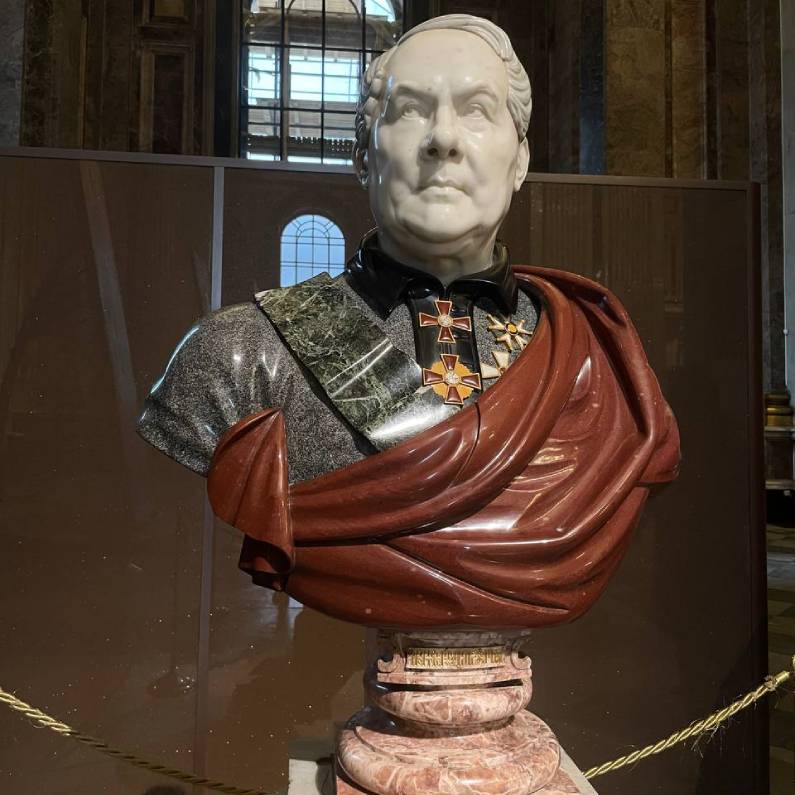
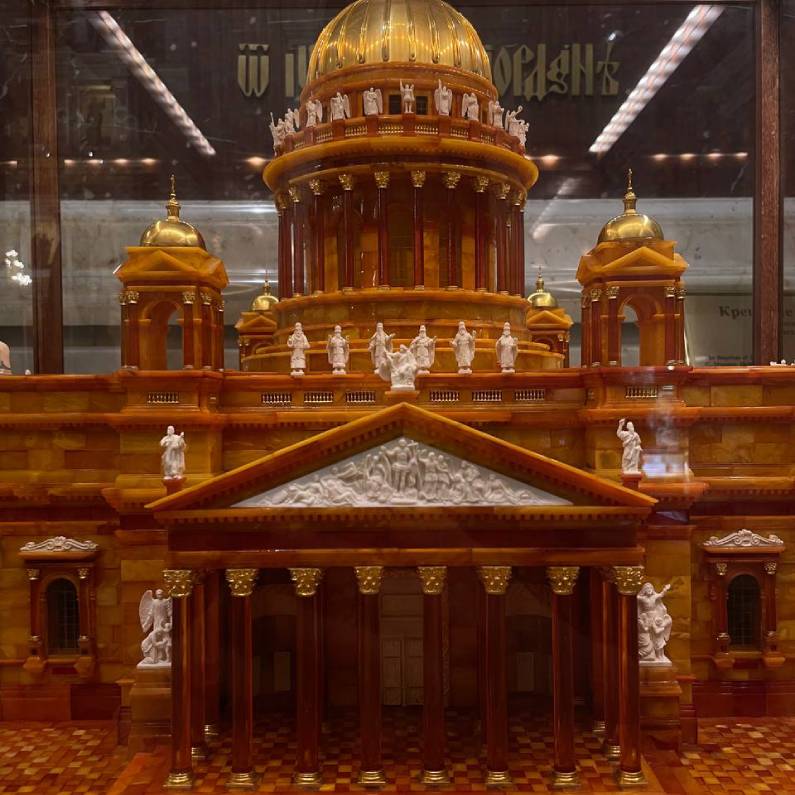
Auguste Montferrand
Auguste Montferrand — architect of St. Isaac's Cathedral
Model of St. Isaac's Cathedral
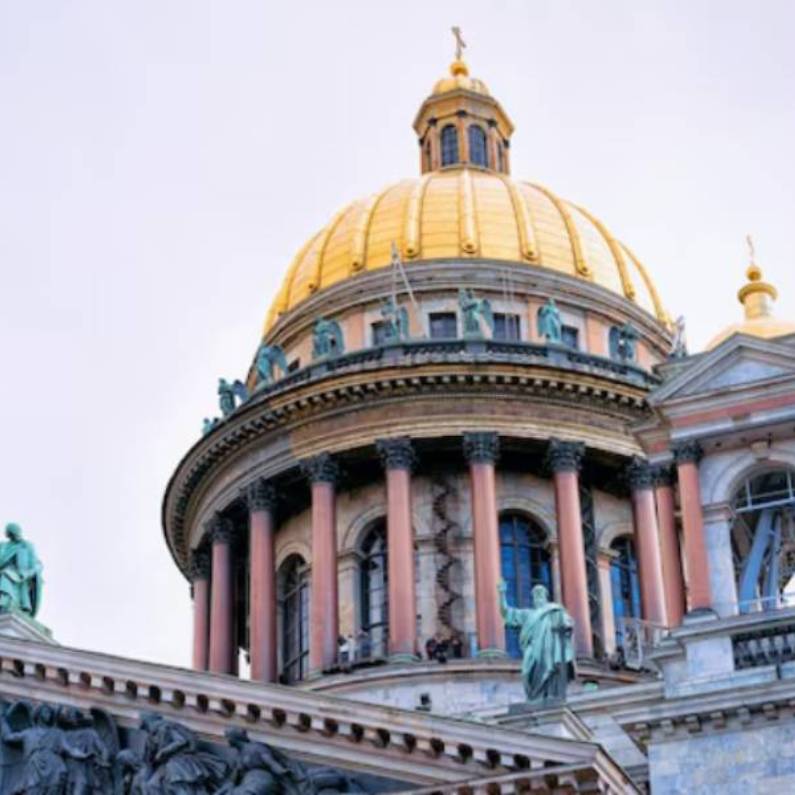
Dome of St. Isaac's Cathedral

His competitors were Andreyan Zakharov, Andrey Voronikhin, Giacomo Quarenghi, and other recognized masters of their era — architects of the 19th century. But serious competition did not frighten the ambitious Montferrand. He noticed an important detail: the others proposed a completely new temple, although Alexander I requested precisely the reconstruction of the old one. Relying on this, Montferrand created 24 (!) reconstruction projects for the cathedral and presented them to the emperor in 1816. One of the projects received the highest approval.

Unique engineering solutions of the 19th century

Alexander I had many doubts about such a large-scale construction. Before erecting the columns — 112 external and 64 internal, each weighing 114 tons — he demanded a working model of the process. This model was created by engineer Betancourt, and it can still be seen in the cathedral. The structure consisted of scaffolding and capstan gates — a prototype of modern winches. In the mid-19th century, this was considered a real technological revolution.
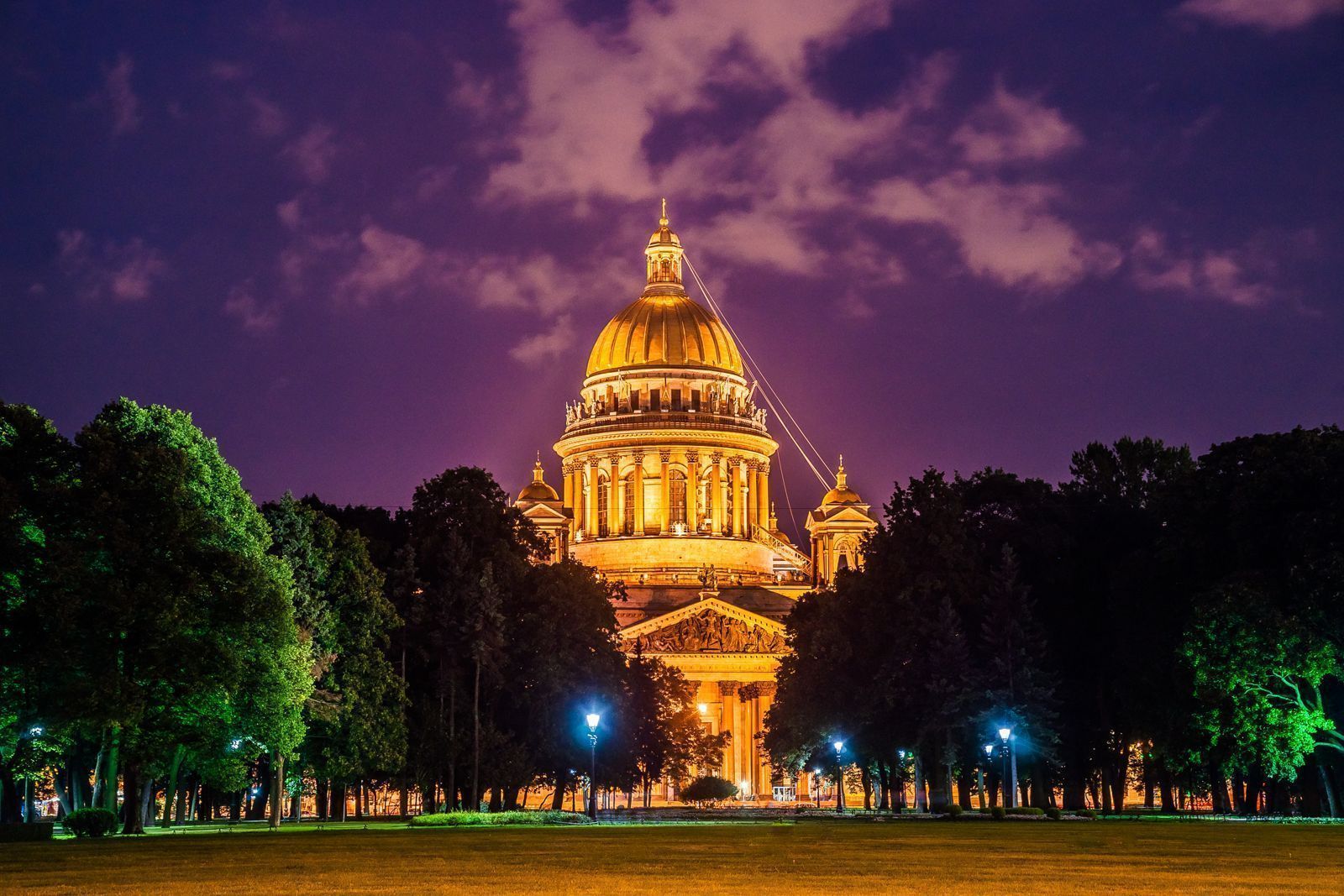
To emphasize the grandeur of the structure and the might of the Russian Empire, the dome of St. Isaac's Cathedral was covered with 100 kilograms of pure gold. And to reach the colonnade (43 meters above the ground), a spiral staircase of 262 steps was built—no elevator has been provided to this day.

The cathedral's facade features bas-reliefs and 24 sculptures of angels. Bas-reliefs were a common decorative element in that era, but they often carried deep symbolism.

Bas-reliefs of St. Isaac's Cathedral

  • “The Adoration of the Magi” (southern pediment)—the Virgin Mary with the Child in the center, the Magi offering gifts.
  • “The Meeting of Isaac of Dalmatia with Emperor Valens” (east) — Saint Isaac in the guise of a monk persuades the emperor to stop the persecution of the church, predicting the destruction of his army and his own death by fire.
  • «Resurrection of Christ» (north) — Christ rises from the tomb surrounded by angels and astonished townspeople.
  • «Isaac blesses Emperor Theodosius» (west) — the emperor seeks advice before the battle. In the corner of the bas-relief, one can see Montferrand himself, holding a model of the cathedral — the architect Vitali immortalized him on the walls of the temple.
«You have immortalized yourself!» — said Nicholas I to Auguste Montferrand in 1834.

Montferrand after death

According to legend, Montferrand asked in his will to be buried inside St. Isaac's Cathedral — such were the European traditions of the era. But Alexander II vetoed it: the architect was a Catholic. As a result, Montferrand was buried in his homeland. However, in St. Petersburg he lives to this day — in his greatest creation.

Evening St. Petersburg Tour

Evening St. Petersburg Tour

Go to the tour →
Article author — tour guide Taisia Shakel

Taisia Shakel

Guide of the company «Leningrad-Tour», specialist in the history of St. Petersburg.