


Writes about St. Petersburg, its history, sights, museums and routes.

A guide to St. Petersburg's architecture, the history of the Romanovs, and the suburban residences.
The Museum of the History of Kronstadt — a thoughtful introduction to the port city, whose fate is tied to the navy and the Baltic Sea. The exhibitions cover Kronstadt's journey from the first fortifications on Kotlin Island to the modern city, showing military history, naval service, and everyday life.
Visiting the museum feels like a sequential story about people, the sea, and time. The space is organized compactly and richly, making the visit convenient and informative.
History of the museum's founding
The museum took shape at the end of the 20th century, when there was a need for a local history venue dedicated to Kronstadt. In 1991, the museum was established by a decision of the Leningrad City Council and opened on July 5 of the same year.
Over time, the historical museum of Kronstadt was housed in authentic city buildings. A significant role in forming the collections was played by Kronstadt residents, who donated items from family archives.
Museum of the History of Kronstadt: exhibitions and halls
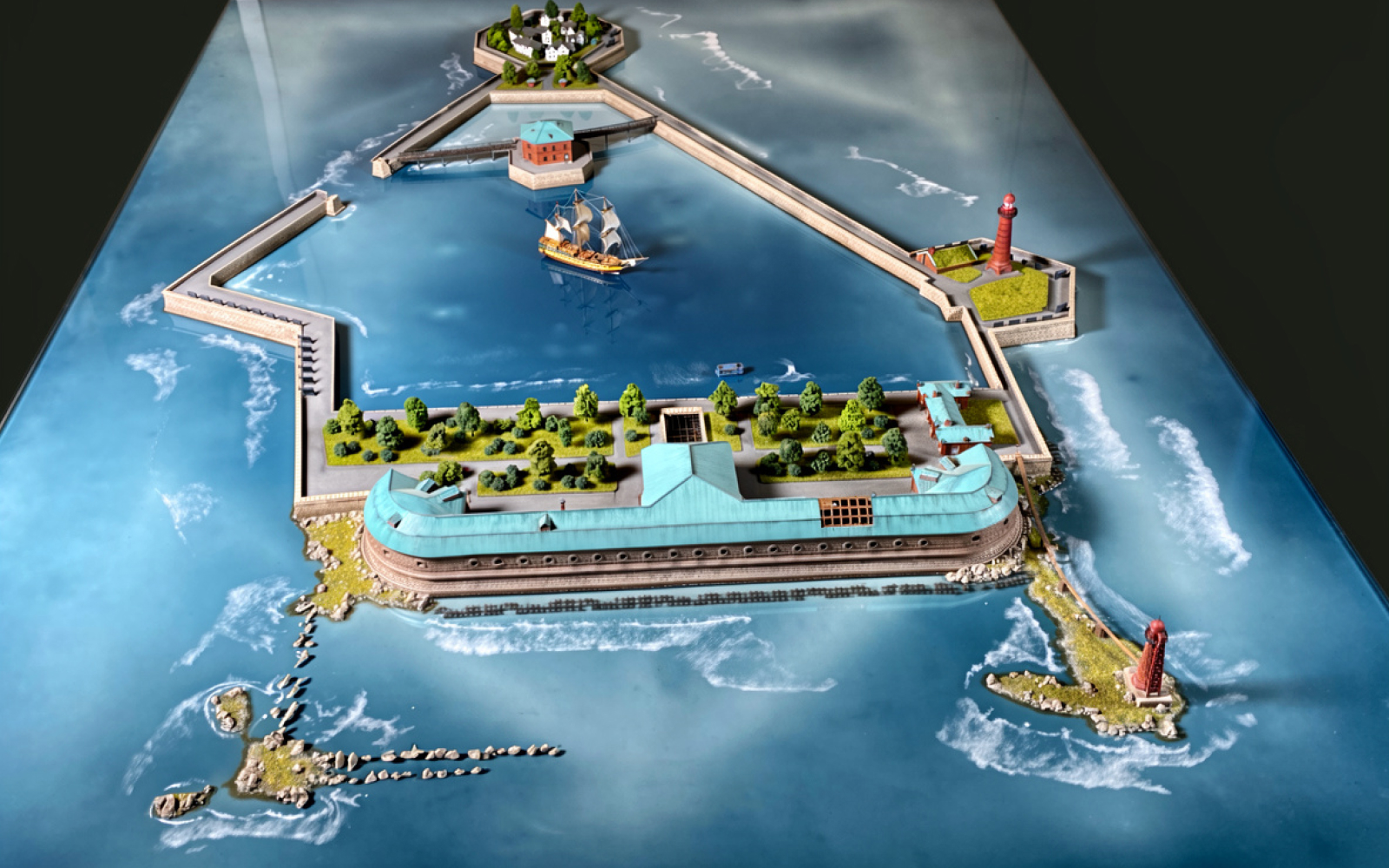
The main exhibition, “Three Centuries of Kronstadt History,” is divided into thematic halls, each dedicated to a specific period or significant events. The halls display household items, clothing, dishes, documents, photographs, as well as models of the Kronshlot Fort and Kotlin Island.
Great attention is paid to the life of the townspeople and defense history. The sections devoted to the events of the Great Patriotic War form a holistic understanding of the era and its atmosphere.
Underwater archaeology — a unique part of the Kronstadt museum
Kronstadt boat museum and maritime heritage
The exhibition is housed in a historic 19th-century water tower. This section is often called the Kronstadt boat museum, as it is dedicated to maritime history and underwater finds.
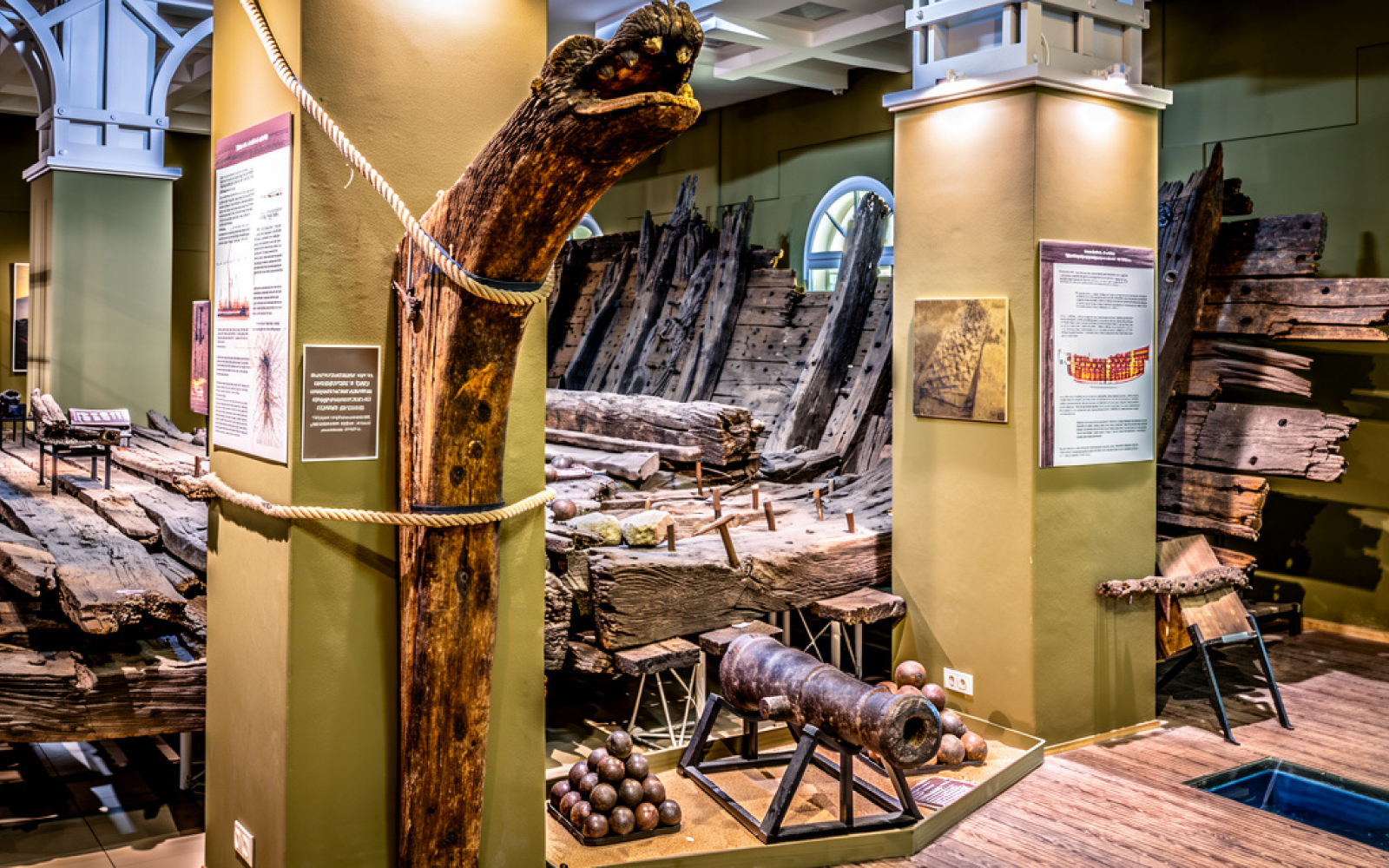
Here are collected items raised from the bottom of the Gulf of Finland and the Baltic Sea: fragments of ships, personal belongings of sailors, elements of shipboard life from the 17th–19th centuries.
The collection includes a Bible from the late 17th century that lay underwater for more than 300 years. Its preservation is explained by the characteristics of the Baltic Sea: low salinity, low water temperature, and the absence of organisms that destroy wood.
Diving and underwater research
A separate hall is dedicated to diving. The exhibition introduces the work of underwater archaeologists, displays equipment weighing up to 80 kilograms, and describes methods for studying sunken ships.
How to visit the historical museum of Kronstadt
The museum is located in the center of Kronstadt and can be reached both by car and by public transport. For a full visit, it is recommended to allow 2–3 hours. Both guided tours and self-guided visits are available.
Kronstadt as a sightseeing space
To feel the city more deeply, it is convenient to combine a museum visit with a sightseeing tour. The route passes through key points of Kronstadt: Anchor Square, the Naval St. Nicholas Cathedral, the city embankments, and historic quarters.
A route tour along the dam, a walk around the city with a guide, and stories about the forts, monuments, and maritime traditions help you see Kronstadt in a comprehensive and cohesive way.

Tour to Kronstadt from Saint Petersburg
Plan a trip →








