


Author of materials about St. Petersburg, travel, tours and city routes.

A guide to the history and architecture of St. Petersburg and its imperial suburbs.
St. Petersburg as a city on the Neva is known to many, but there are other rivers threading through the city's squares and narrow streets. Many tourists wonder: how many rivers are there in St. Petersburg. By various counts, the city has around 90 rivers, canals and channels. In this article we will tell you about a few well-known ones.
The main rivers of St. Petersburg
Many tourists are interested in which rivers flow through St. Petersburg. The most famous are the Neva, Fontanka, Moika, Karpovka, Smolenka and Chyornaya Rechka. Besides rivers, St. Petersburg is famous for its canals – Griboyedov, Kryukov and Obvodny. It is this combination of rivers and canals that makes the city resemble the famous Venice.
The Neva: the most famous river of St. Petersburg
Many rivers of St. Petersburg begin from the Neva, and watching the bridges being drawn over it is a separate kind of pleasure.
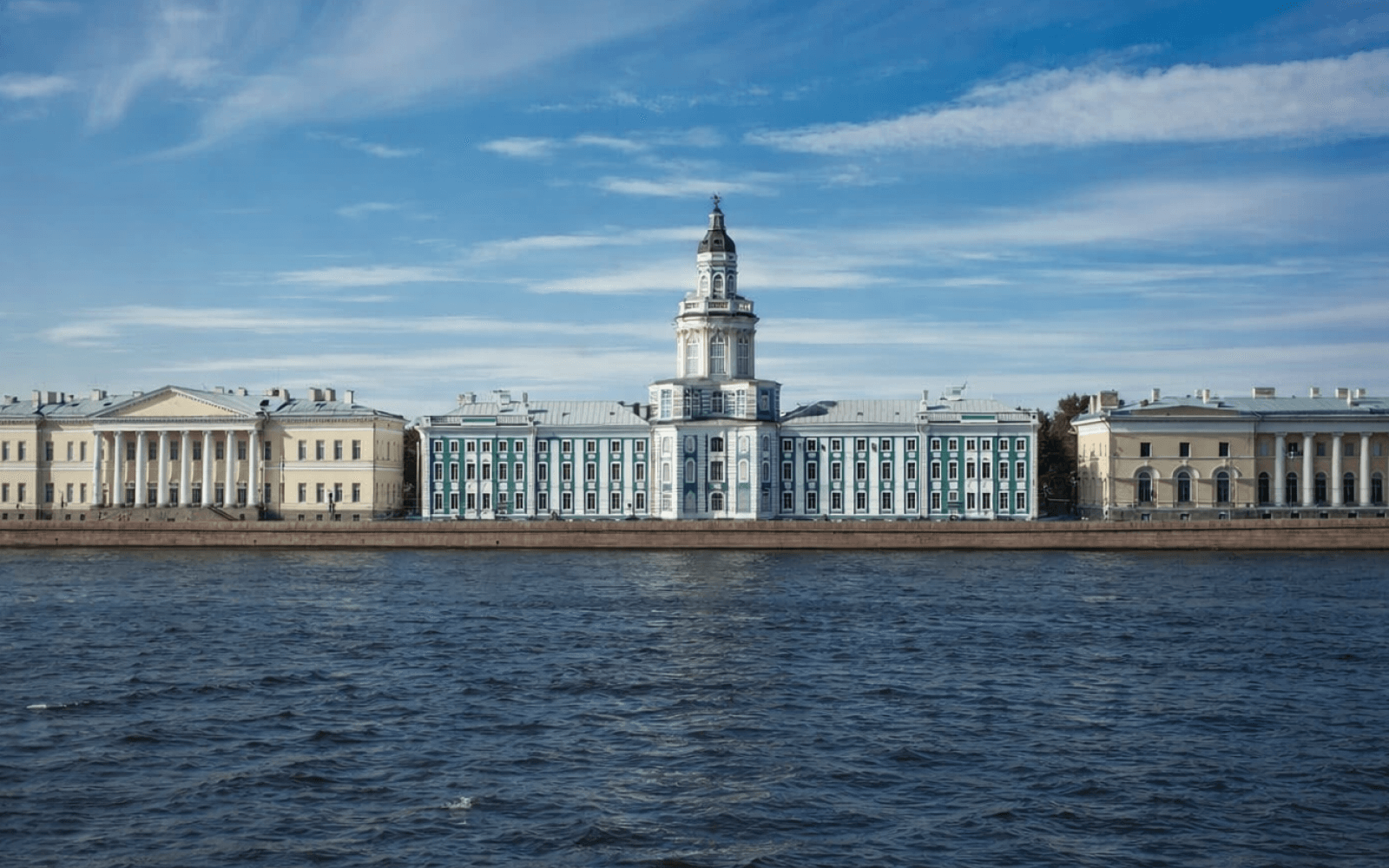
This is the only river that flows out of Lake Ladoga and carries its mighty waters into the Gulf of Finland. The Neva is only 74 km long (of which 32 km run through the city), and yet the river is among the most voluminous rivers in Europe – every second it carries as much water as the Don and Dnieper combined.
Since ancient times the Neva served as a key transport artery and an important trade route. Moreover, in the era of Peter 1 the city's waterways were used for travel even more often than ordinary roads.
Where does the name come from? Scientists still argue: either from the Finnish word for "swamp", or from an ancient word meaning "new". By the way, by geological standards the Neva is very young – it is only about 4000 years old.
Fontanka
If the Neva is the queen, then the Fontanka River embankment is the city's most aristocratic salon. The name here is telling: the river began to be called Fontannaya (later Fontanka) in 1737, because pipes were laid across it to supply the fountains of the Summer Garden. Before that, it was called the Nameless Erik, and it was quite marshy.
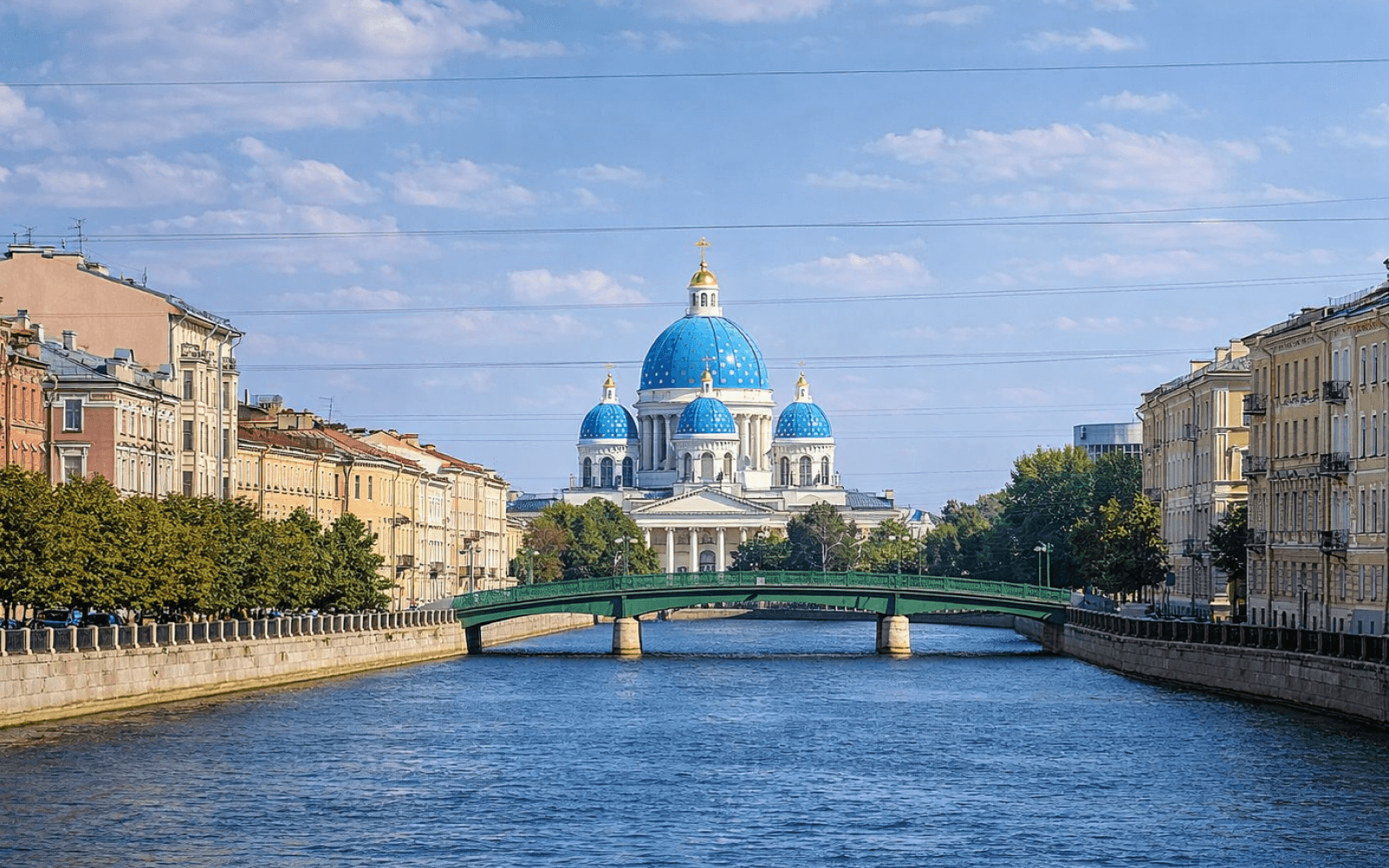
The Fontanka is about 7.6 km long, and its width in places reaches 70 meters. In the 18th century, it even served as the official southern boundary of the city.
And how can we not remember Chizhik-Pyzhik! This tiny 11-centimeter monument is installed by the Fontanka embankment, near the Mikhailovsky Castle next to the 1st Engineer Bridge, opposite house No. 12/1, and is dedicated to the students of the School of Law, who wore green uniforms with yellow cuffs (like the plumage of a siskin) and very proudly "puffed themselves up." They say that if your coin stays on its narrow pedestal, your wish will definitely come true.
Moika
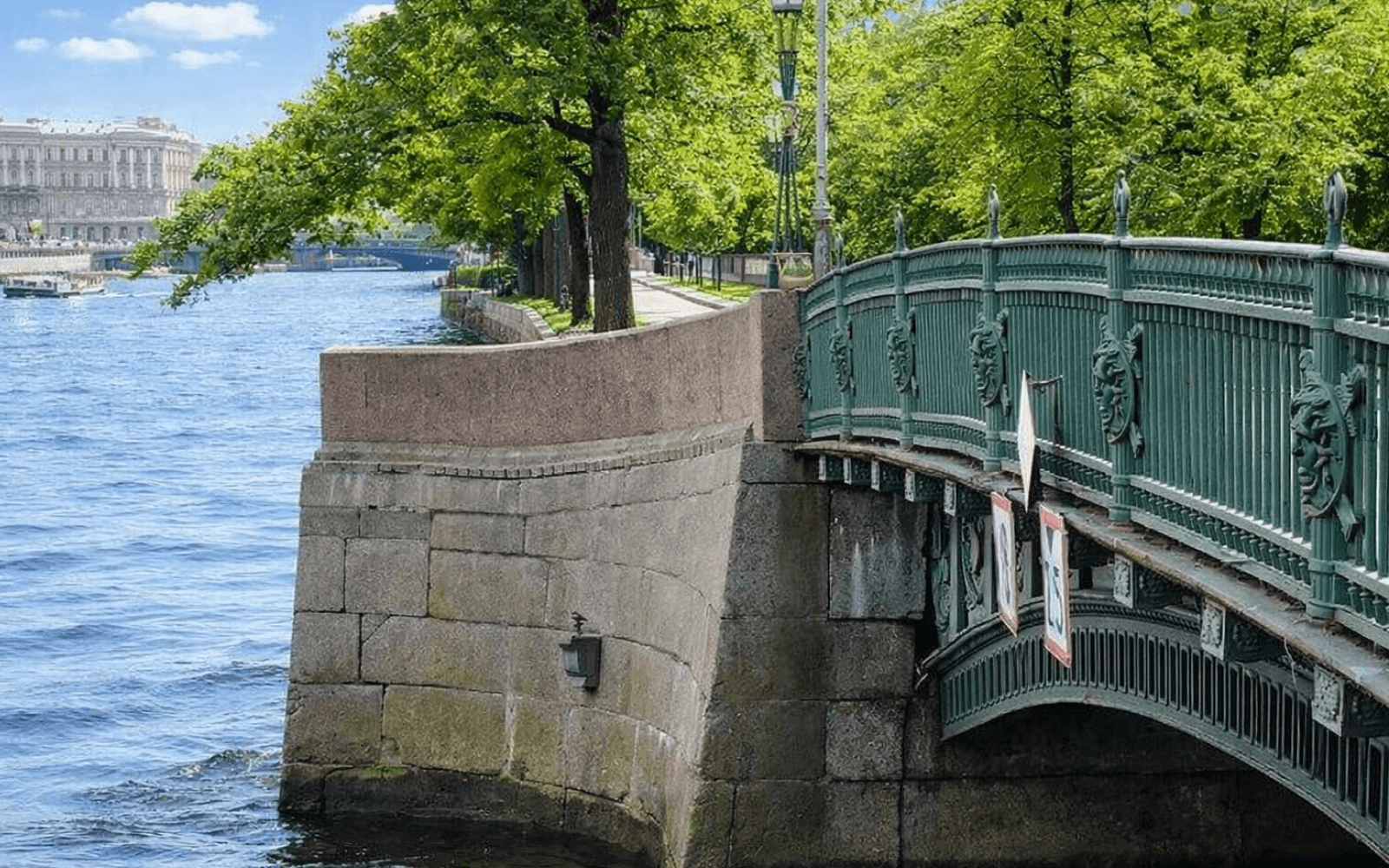
Smoothly curving around the central islands, it keeps in its waters the reflections of famous palaces – the Yusupov and Stroganov. Its name has a mysterious origin: it once sounded like "Mya," which in the language of the local tribes meant "dirty" because of the muddy banks. The city ennobled it, and the name gradually turned into the Moika we are used to, possibly because of the public baths located on the bank.
The Moika is only 4.67 km long, yet it is considered a record holder for the number of unique bridges: there are as many as 15 of them here! It is here that the Blue Bridge is located – the widest in the world (almost 100 meters!).
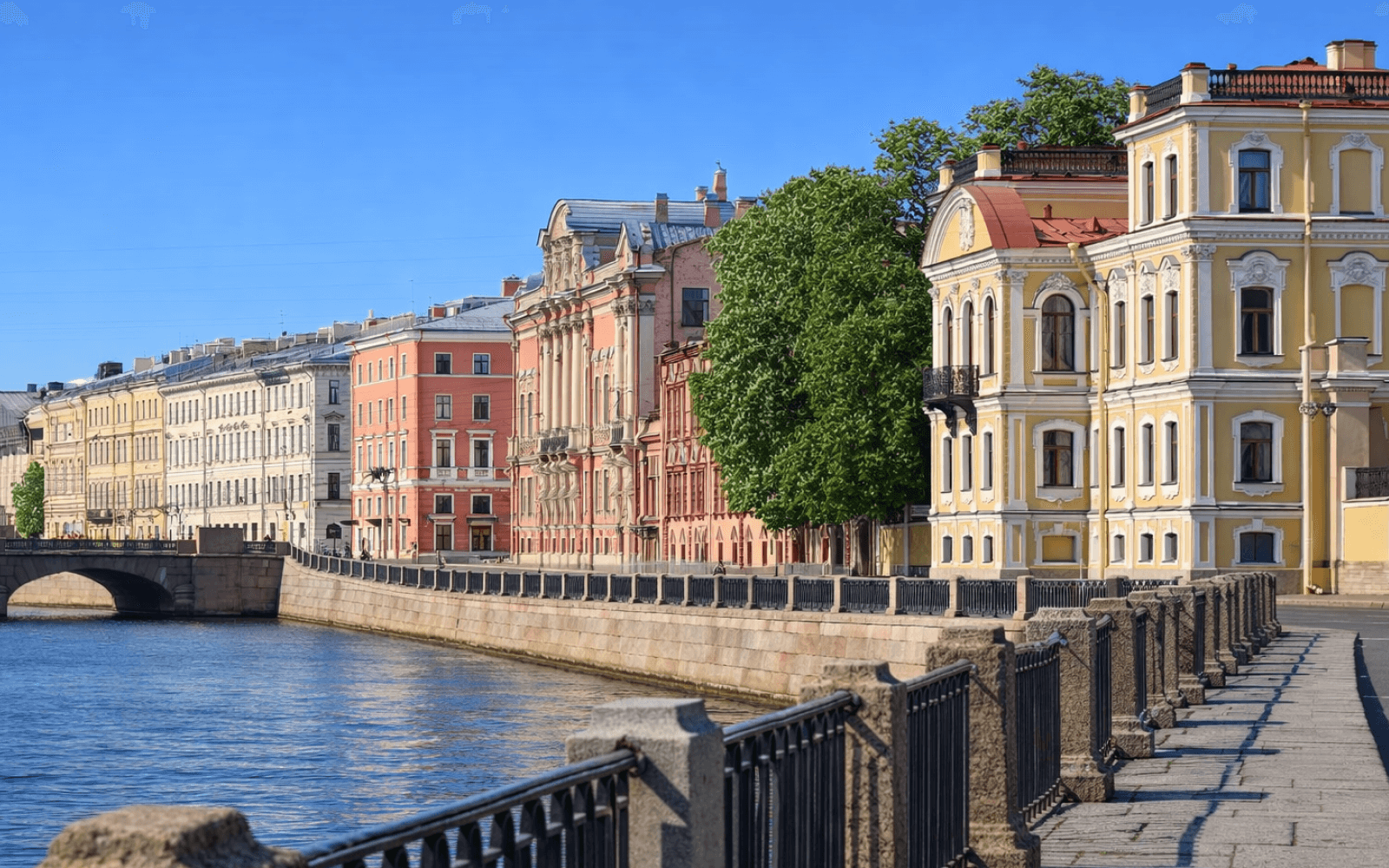
Interesting fact: it was here, at 12 Moika Embankment, that the great poet Alexander Pushkin spent his last days.
Other rivers of St. Petersburg
One should not forget the other rivers of the city of Saint Petersburg, of which there are 93. For example, the Karpovka River, whose Finnish name once meant "river in the forest," hides in its shade ancient monasteries and Peter the Great's Botanical Garden – one of the oldest in Russia.
The Smolenka River, flowing through Vasilyevsky Island, received its name in the 19th century. Today it is known as an ideal place for quiet and secluded walks among the greenery of the coastal squares.
The small Chyornaya Rechka, flowing from the swamps near Kolomyagi into the Bolshaya Nevka, went down in history as the site of the tragic duel between Alexander Pushkin and Dantes in 1837, marked today by a memorial obelisk to which admirers of the poet's work come.
Rivers of St. Petersburg: what to see
Walks along the embankments and water excursions allow you to see the city's main attractions from an unusual, more romantic angle. From the water, the Hermitage, the Peter and Paul Fortress, and the palaces on the embankments of the Neva, Fontanka, and Moika look especially beautiful.
If you want to see Petersburg exactly like this – with the reflections of palaces in the water and drawbridges over the Neva – it is worth going on a boat trip. Leningrad-Tour offers a large selection of excursions along the rivers and canals of Saint Petersburg on motor ships: from short walks through the city center to evening routes with a view of the bridge opening.








