Peter and Paul Fortress of St. Petersburg - history of foundation and symbols of the city
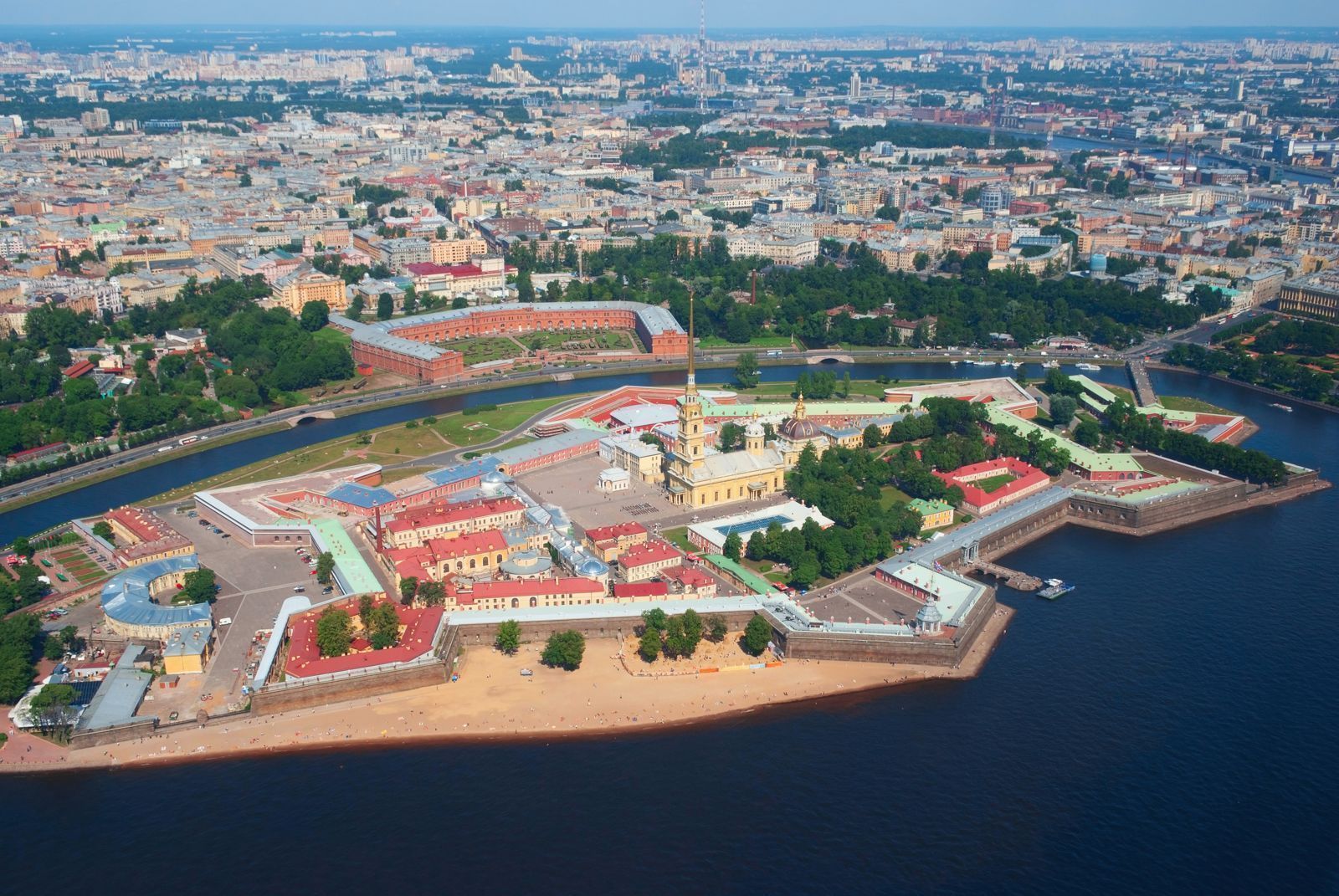
The Peter and Paul Fortress is the true heart of St. Petersburg. At that time, there were only a few Finnish villages, forests, and marshy banks of the Neva… but the fortress already stood. It remembers the footsteps of Peter the Great himself and the birth of the future city on the Neva.
How the history of the fortress and the city began
When Peter I recaptured the Neva lands from Sweden during the Northern War, he perfectly understood: the war was far from over, and therefore a powerful stronghold was needed on the new coast. The emperor personally explored the Neva delta and chose a site for the future fortress, which was to become the main defense against a Swedish strike.
Having landed on the island of Enisaari - in Finnish «Hare Island», - Peter took a spade from a soldier, cut two pieces of turf, laid them crosswise, and uttered the famous words: «Here a city shall be!». Thus, on May 27, 1703, the first stone of the new fortress was laid - and with it, the future capital.
Later, when the Cathedral of Saints Peter and Paul appeared inside the fortress, the name Peter and Paul Fortress was finally established. The new city also received the name of the Apostle Peter - St. Petersburg. This is how the history of the Northern Palmyra began.
On the shore of desert waves
He stood, full of great thoughts,
And gazed into the distance…
Peter's Triumphal Gate
If you set out to explore the Peter and Paul Fortress, the first thing to greet you will be Peter's Triumphal Gate—a witness to the city's birth and one of the most expressive monuments of the era. The stone arch, about 16 meters high, was erected in 1707–1708 to a design by Domenico Trezzini.
The gate was built while the Great Northern War was still ongoing. Therefore, the composition does not so much glorify an already achieved victory as convey the might of Russian arms and the steadfastness of warriors. At the foot of the gate are two female figures: Polyada, a maiden with a serpent, symbolizing the wisdom of the ruler, and Pallas in armor, embodying valor and courage.